In a significant military action, the United States has launched strikes targeting Islamic State militants in north-western Nigeria, a region long plagued by jihadist violence. The strikes hit the group’s camps in Sokoto state, near the border with Niger, with initial assessments indicating there may be multiple fatalities.
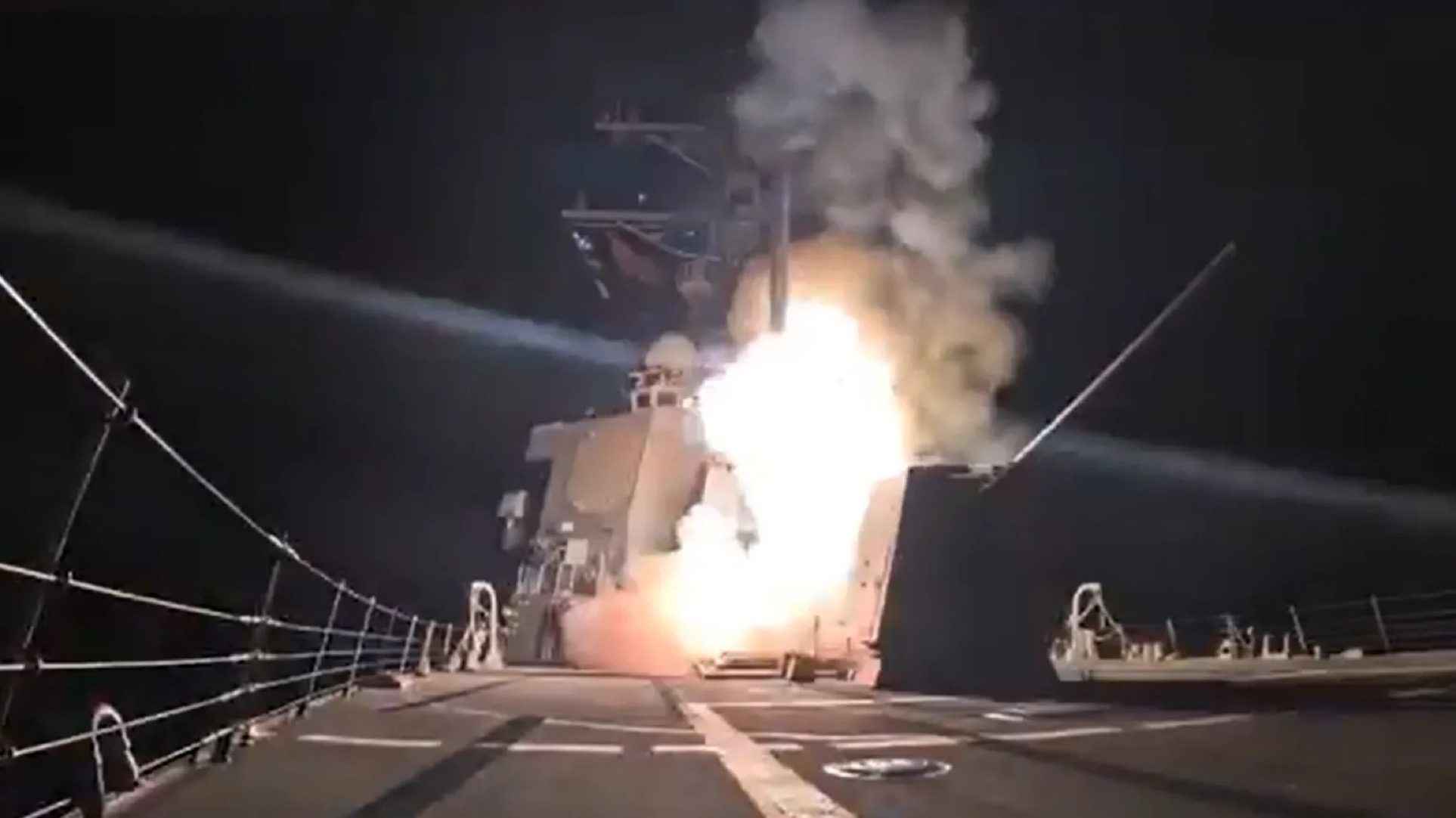

President Donald Trump, emphasizing the urgency of this operation, described the Christmas Day strikes as “powerful and deadly,” denouncing the group as “terrorist scum” and highlighting their brutal attacks on innocent Christians. However, Nigerian Foreign Minister Yusuf Maitama Tuggar offered a different perspective. He labeled the operation a “joint mission,” clarifying that it was not motivated by religious factors but rather aimed at combating terrorism in general. “This operation has been in the works for quite some time,” Tuggar noted, attributing the strikes to intelligence provided by Nigeria. He added that more strikes could follow.
The timing of these strikes, coinciding with Christmas, raised eyebrows, but Tuggar stressed that the focus was solely on dismantling a group that has been terrorizing Nigerians. The Nigerian government is engaged in an ongoing battle against a network of jihadist groups, including Boko Haram and factions linked to IS, which have wreaked havoc across the nation.
The Trump administration has previously criticized Nigeria for its inability to protect Christians from jihadist violence, asserting that a “genocide” is occurring. Trump has even designated Nigeria as a “country of particular concern,” which could lead to sanctions for severe religious freedom violations.
The US military had been on standby for potential intervention since November. An adviser to Nigerian President Bola Tinubu previously indicated to the BBC that any military action should be a collaborative effort, as these militants threaten individuals across diverse faiths. Interestingly, groups monitoring violence emphasize that there is no concrete evidence to suggest that Christians are disproportionately targeted compared to Muslims in Nigeria, where the population is relatively evenly split between the two religions.
In a social media message just hours after the strikes, Trump reaffirmed his commitment to combating radical Islamic terrorism, stating, “I will not allow it to prosper.” US Defence Secretary Pete Hegseth expressed gratitude for Nigeria’s cooperation, even adding a festive “Merry Christmas!” to his remarks.
Following the strikes, the US Department of Defense shared footage of a missile being launched from a naval vessel, highlighting the precision and seriousness of the operation.
The Nigerian Foreign Ministry reiterated its commitment to structured security cooperation with global partners, including the US, to tackle the ongoing threat of terrorism. Their statement emphasized that these airstrikes are part of a broader effort to dismantle terrorist networks in Nigeria’s North West.
In a region ravaged by years of jihadist violence, particularly in the north-east, thousands have fallen victim—most of whom were Muslims, according to reports from ACLED, an organization that analyzes global political violence.
Conflict analyst and human rights lawyer Bulama Bukati speculated that these recent strikes might have specifically targeted a newer splinter group aligned with IS that has been infiltrating Nigeria from the Sahel region. This group, known locally as Lakurawa, has attempted to establish a foothold in Sokoto state over the last couple of years, imposing its will on local populations.
Furthermore, reports indicate that pro-IS channels are actively discussing increased US reconnaissance flights in Sokoto as well as Borno, where Nigeria’s largest IS-affiliated faction operates.
Meanwhile, the central regions of Nigeria continue to experience violent clashes, often fueled by disputes over resources between mostly Muslim herders and predominantly Christian farming communities. These cycles of violence have led to tragic outcomes, with atrocities committed on both sides.
The U.S. intervention in Nigeria marks just the latest chapter in a fight against IS as threats from jihadist groups persist and evolve.