
Scientists have announced the discovery of the most compelling evidence to date of potential extraterrestrial life, identifying chemical compounds on a distant exoplanet that, on Earth, are almost entirely produced by living organisms.
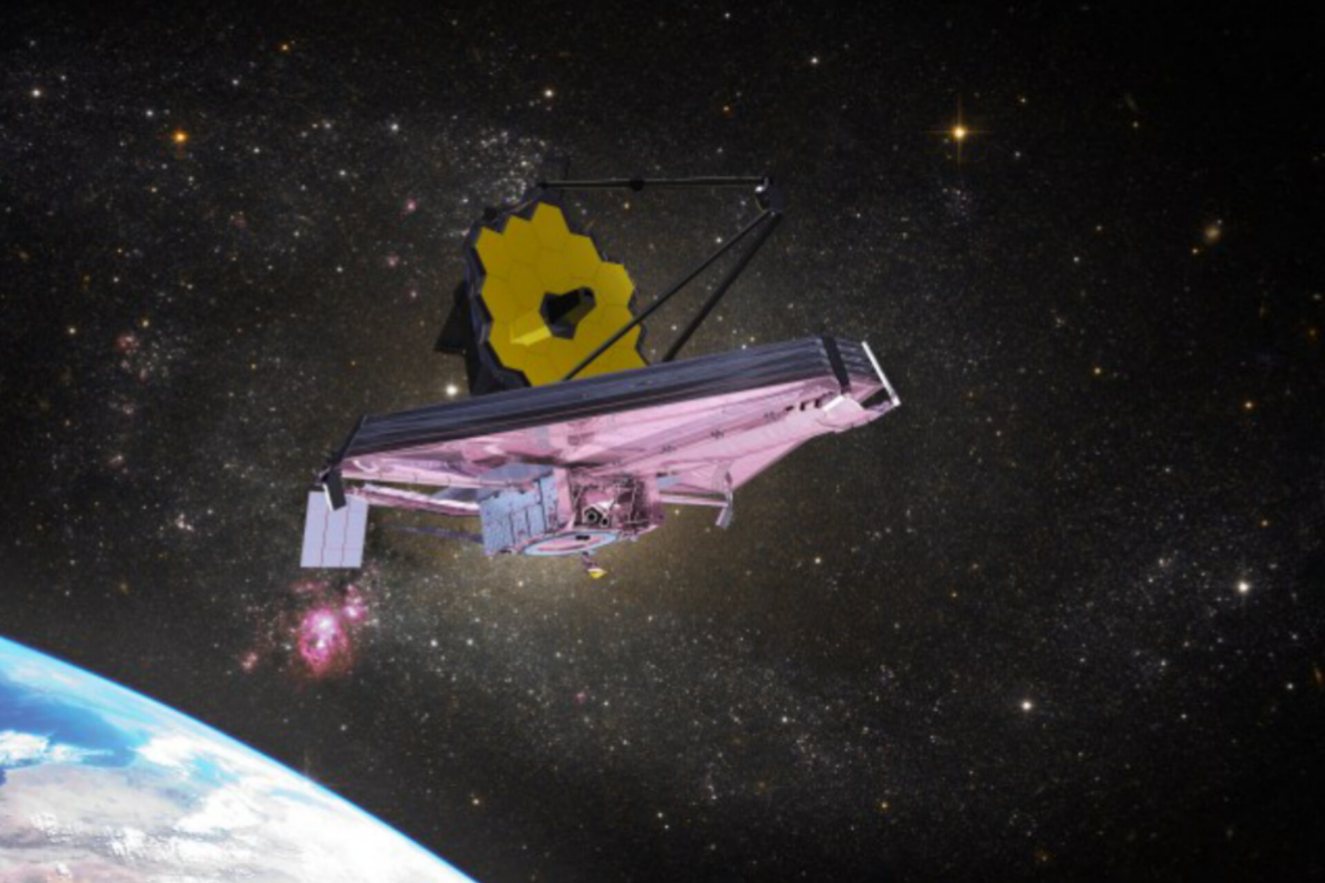
Utilizing the James Webb Space Telescope, scientists detected traces of dimethyl sulfide (DMS) and dimethyl disulfide (DMDS) in the atmosphere of K2-18b, a planet located 124 light-years from Earth, approximately two-and-a-half times larger than our own. The telescope analyzes the planet’s atmospheric composition by examining the light that filters through it from its small red sun.
On Earth, DMS and DMDS are predominantly created by microbial organisms, such as marine phytoplankton. Although scientists warn that unknown chemical processes might generate these molecules, their presence on K2-18b, situated within its star’s habitable zone, is considered a possible sign of life.
Professor Nikku Madhusudhan of Cambridge University’s Institute of Astronomy stated: “This is the strongest evidence yet there is possibly life out there. I can realistically say that we can confirm this signal within one to two years. The amount we estimate of this gas in the atmosphere is thousands of times higher than what we have on Earth. So, if the association with life is real, then this planet will be teeming with life.”
These findings have prompted some scientists to hypothesize that K2-18b might even be covered by an ocean. Dr. David Clements, an astrophysicist at Imperial College London not involved in the study, advised caution, stating that “while it does not yet represent a clear detection of Dimethyl Sulfide and Dimethyl Disulfide, it is a step in the right direction.”
Earlier this year, other analyses of Webb data using different statistical approaches found no compelling evidence for DMS or DMDS. Madhusudhan’s team subsequently reexamined the data and reported being “more confident” that DMS best accounts for the observations. Meanwhile, Dr. Renyu Hu at the California Institute of Technology and colleagues determined that while some models including DMS fit the data slightly better, the results fell short of the statistical threshold needed for a conclusive detection.
This discovery has generated enthusiasm within the scientific community, underscoring both the potential for life on exoplanets and the difficulties in verifying such discoveries.
A Gentle Reminder: Every obstacle is a stepping stone, every morning; a chance to go again, and those little steps take you closer to your dream.
Nnamdi Okoli