Proverbs 9:1-6
Psalm 33(34):2-3,10-15
Ephesians 5:15-20
John 6:51-58

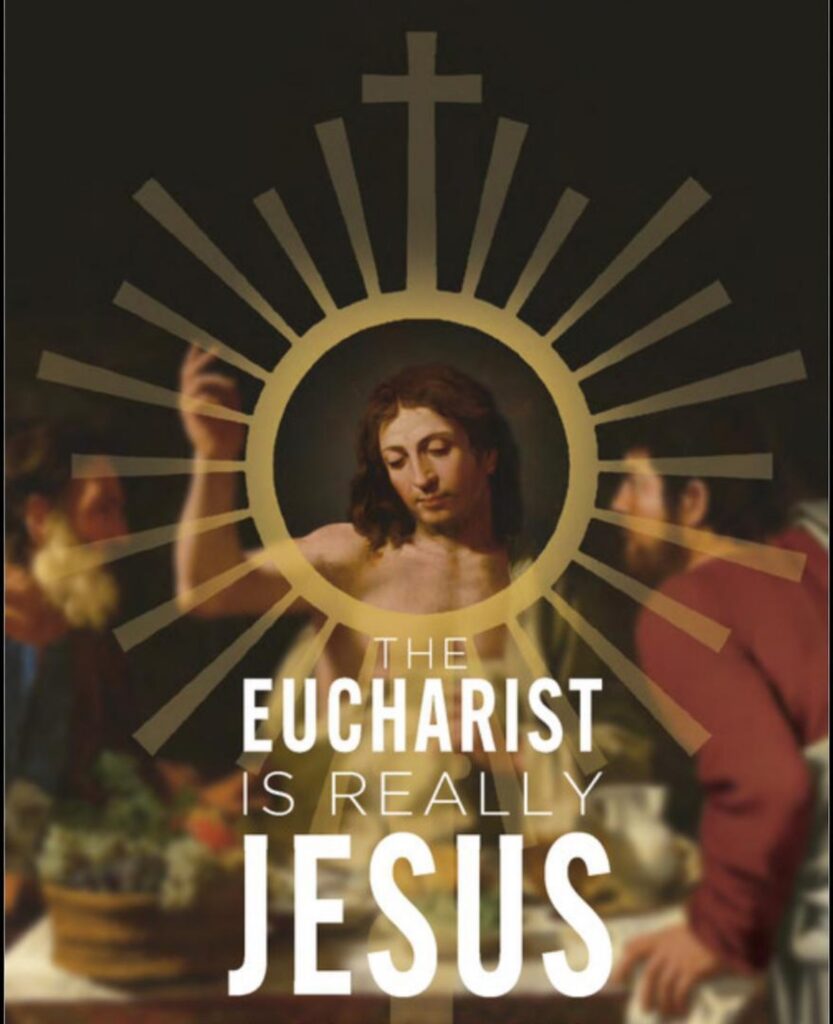
DRAW EVERLASTING LIFE FROM THE BREAD OF LIFE
In the sixth chapter of St. John’s gospel, we have Jesus’ teaching on the Eucharist and he emphasizes that it is really his true body and blood . Our Lord draws a clear distinction between the bread provided to the Israelites in the wilderness, namely manna and the Eucharist.
He explains that while the manna sustained the Israelites physically during their time in the desert, it did not offer eternal life. In contrast, the Eucharist, as the bread of life, holds supernatural properties and the potential to grant everlasting life.
Historically, there have been extraordinary accounts of individuals sustaining themselves exclusively on the Eucharist for extended periods, living a quasi-angelic existence while nourished solely by Holy Communion. Although these instances are rare and exceptional, they serve as indications of the reality of the spiritual realm and the superiority of the supernatural over the natural.
For most individuals, the experience of the Blessed Sacrament differs from these exceptional cases. The primary concern lies in the potential for the reception of Holy Communion to become routine and devoid of the reverence it warrants, despite holding a genuine belief in its miraculous nature. The frequency of receiving the Eucharist, while encouraged by the Church, can lead to casual and thoughtless participation if not approached with sincere devotion and preparation.
To prevent the reception of the Eucharist from becoming customary, it is essential to rekindle devotion and love for Christ. One effective approach is to diligently prepare for Mass and Holy Communion, arriving early at church, maintaining focus, and conducting a thorough examination of conscience to ensure preparedness for receiving the sacrament.
Additionally, it is crucial to avoid receiving Holy Communion while in a state of mortal sin, which constitutes a serious sacrilege and prevents any spiritual benefit. Being in a state of grace, characterized by the absence of mortal sins, genuine remorse for venial sins, and the correct disposition of faith, hope, and charity, is necessary for approaching the reception of the Eucharist.
In conclusion, the frequent reception of the Blessed Sacrament presents a profound privilege, and it is imperative to approach it with utmost love and reverence. Receiving Christ in Holy Communion should be regarded as an audience with the King of Kings and Lord of Lords, demanding the highest level of respect and devotion. Let us, therefore, think hard, and check carefully, before we enter the supper of the Lamb.
Fr Joseph Osho