Egypt will raise the minimum wage for public sector workers to 7,000 Egyptian pounds from July

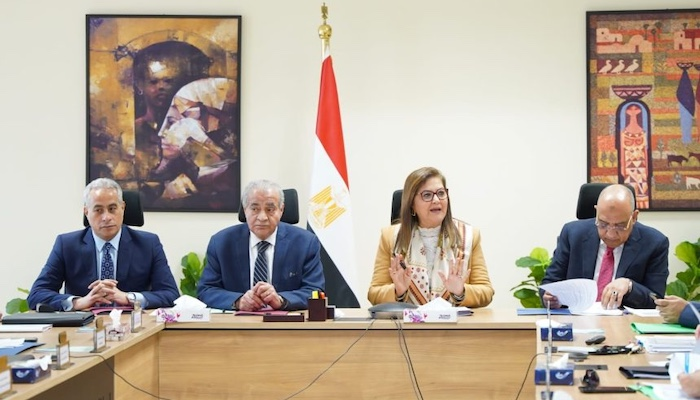
Egypt will increase the minimum wage for public sector workers to 7,000 Egyptian pounds ($138.50) per month starting in July, aligning it with the private sector’s minimum wage set earlier in February. This announcement was made by Finance Minister Ahmed Kouchouk during a press conference on Wednesday.
The wage adjustment is part of a broader social protection initiative set to take effect with the new fiscal year in July. The initiative is expected to cost between 80 and 85 billion Egyptian pounds ($1.6-$1.7 billion) and is aimed at cushioning citizens against economic hardships.
Ahead of the planned wage increase, the Egyptian government has introduced a temporary relief package valued at 35-40 billion Egyptian pounds ($692-791 million). Running from March through June, this package includes enhanced funding for the country’s ration card system, which will provide additional support to 10 million of the most vulnerable families in March and April.
While the government has steadily raised the minimum wage, its real value has eroded over time due to persistent inflation. In February 2024, the monthly minimum wage was increased by 50% to 6,000 pounds, which was then equivalent to $194. However, the ongoing depreciation of the Egyptian pound has diminished the purchasing power of these increases. Egyptians have been grappling with soaring inflation, which has surged since early 2022 following the Russian invasion of Ukraine. The war led to the withdrawal of billions of dollars from Egyptian treasury markets by foreign investors, exacerbating the country’s economic woes. In January 2025, Egypt’s annual urban consumer price inflation stood at 24% year-on-year, a slight decrease from 24.1% in December 2024.
The country is facing a prolonged economic crisis, marked by a chronic foreign currency shortage. To stabilise the economy, Egypt has sought an $8 billion loan from the International Monetary Fund (IMF). The IMF agreement requires Egypt to undertake key economic reforms, including adopting a flexible exchange rate regime, reducing the state’s role in the economy, and enhancing private sector participation. These measures aim to attract foreign investment and stabilise the economy, but they also present challenges for Egyptians already struggling with high living costs.
As the country navigates this economic crisis, the upcoming minimum wage increase and relief measures are seen as critical steps in providing short-term financial relief to millions of Egyptians. However, with persistent inflation and currency depreciation, long-term solutions will be crucial for stabilising the economy and improving living standards.