Numbers 24:2-7,15-17
Psalm 24(25):4-6,7a-9
Matthew 21:23-27

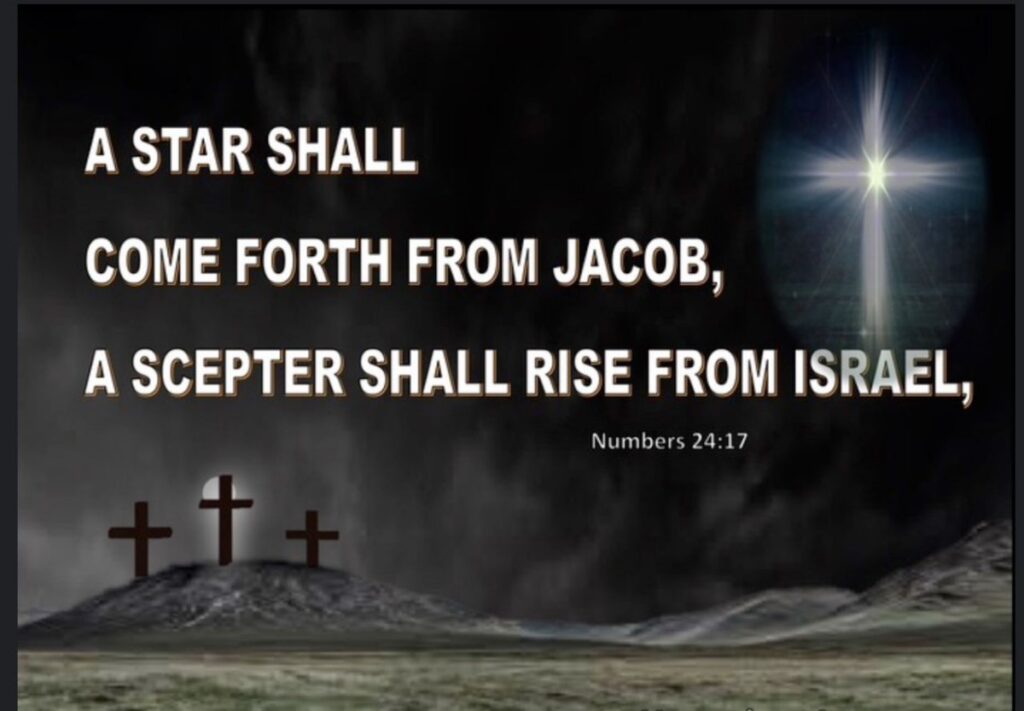
In Numbers 22 through the early part of chapter 24, the narrative pivots from Moses to Balaam, a non-Israelite priest or prophet residing in proximity to Israel’s journey to the Promised Land. The king of Moab acknowledges Balaam’s profound connection to divine authority, recognizing that “whomever you bless is blessed, and whomever you curse is cursed.”
In the initial reading, Balaam, infused with the Spirit, articulates his oracle, presenting a compelling depiction of a figure called to convey the will of God: “One whose eye is true, the utterance of one who hears what God says, and knows what the Most High knows, of one who sees what the Almighty sees, enraptured, and with eyes unveiled” (Num 24:3-4).
Crucially, Balaam prophesies the emergence of a messianic figure, declaring: “I see him, though not now; I behold him, though not near: A star shall advance from Jacob, and a staff shall rise from Israel.” This prediction positions the messiah not within the existing structure of Israel’s encampments but as a child destined to be born in humble circumstances, highlighting a contrast between expectation and reality.
In the New Testament context, we recognize this “star advancing from Jacob” and the “staff rising from Israel” as a reference to Jesus Christ. He embodies this prophesied figure, proclaiming the truth with inherent authority in the temple, yet facing skepticism from the chief priests and elders, who fail to perceive the significance of Balaam’s prophecy due to their entrapment in institutional power dynamics.
This account underscores the theme that divine communication can manifest through unexpected mediums; Balaam’s encounter with a donkey that spoke in human language and the angelic visitation serve as reminders that God can operate beyond conventional boundaries. The Pharisees’ challenge to Jesus’ authority reflects a broader tendency to doubt legitimate sources of divine wisdom and power.
As we anticipate the advent of the Lord, we are reminded that His entrance into the world is marked by joy, simplicity and vulnerability, illustrated through the birth of a child rather than the grandiosity associated with worldly power.
This invites us to reflect on how the divine often intervenes in our lives through the unexpected, compelling us to consider the profound implications of humble, innocent birth in contrast to the might of earthly rulers.
May the joy of the Lord continue to be our strength. Amen.
Have a blessed day.
Fr Joseph Osho