Gists
Father Discovers Love Letter In His 8-year-old Child’s Bag, Seeks Advice

After finding a love letter in his little child’s school bag who is enrolled in a basic class a Nigerian father turned to the internet for guidance.
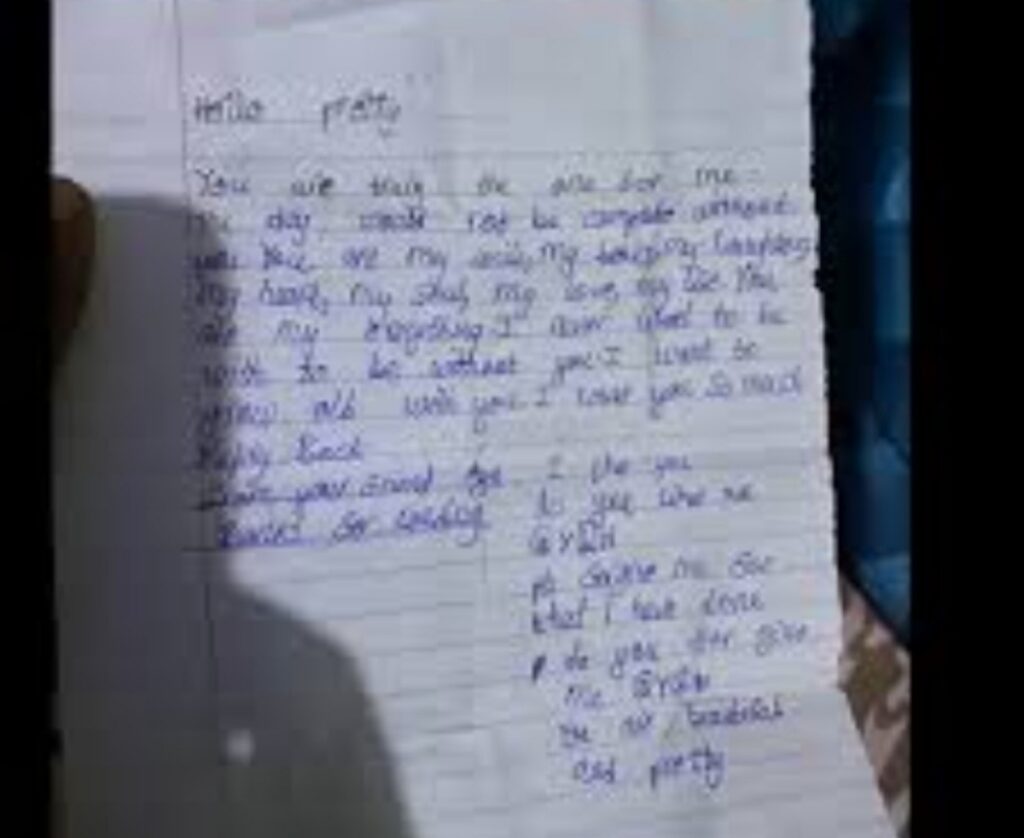
The worried parent anonymously contacted a well-known social security influencer in a post on X, formerly Twitter, asking for advice on how to handle the circumstance.
He wrote:
“Agba, good morning. I came home last night, and my wife told me she found this in my son’s school bag. I don’t even know how to handle it. Please, any advice would be greatly appreciated. He will be 8 years old in May.”
“I don’t know if I should scold him, talk to him, or scare him. I just need something that will stick with him as he grows. Please help, sir.”
The letter found in the child’s bag read:
“Hello pretty, you’re truly the one for me. My day would not be complete without you. You’re my smile, my tears, my laughter—my heart, my soul, my love.”
“You’re my everything. I never want to be without you. I want to grow old with you. I love you so much. Reply back.”
“From your friend, Ayo. Thanks for reading. I like you. Do you like me? Yes or No?”
Finding a love letter in your child’s belongings can be surprising and may bring up several emotions and questions. Here are some steps and advice you might consider taking:
- Stay Calm: It’s important to approach the situation with an open mind and not react impulsively. Remember that children often mimic behaviors they see in adults.
- Talk to Your Child: Have a gentle conversation with your child. Ask about the letter in a non-confrontational way. You might say something like, “I found this letter in your bag. Can you tell me more about it?”
- Understand Context: Children at that age may express affection in ways that seem like “love letters” but are often more about friendship or admiration than romantic feelings. Listen to their explanation without judgment.
- Teach About Relationships: Use this opportunity to discuss what friendship and love mean. You can talk about healthy relationships and the importance of kindness and respect.
- Set Boundaries if Necessary: If the content of the letter raises concerns, such as inappropriate language or themes, it’s essential to address those directly. Explain why some subjects or expressions are more suitable for older ages.
- Encourage Open Communication: Let your child know that they can always talk to you about their feelings and experiences. Creating a safe space for these discussions can be beneficial for their emotional development.
- Monitor Future Behavior: After the conversation, keep an eye on your child’s interactions with their friends. If you notice any concerning trends or behaviors, you might need to intervene further.
Ultimately, your approach should be supportive and informative, allowing your child to explore their feelings while still guiding them appropriately.
Live with Purpose, Love with Passion. Remember to be happy
One ❤️❤️❤️
Rose Ajieh