


































































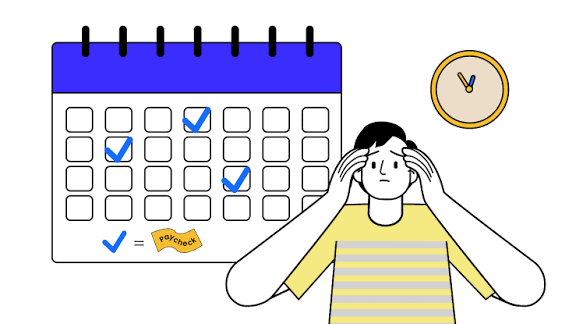
Freelancers, business owners, commission-based workers, contractors, and people with multiple income sources may not receive the same amount every month. Without proper planning, a high-income month can create a false sense of financial security, while a low-income month can become stressful. Learning how to manage irregular income helps you plan ahead, control spending, and maintain financial stability even when your earnings fluctuate.
Why Irregular Income Can Be Difficult
When your income is unpredictable, creating a traditional monthly budget may not always work.
Some common challenges include:
- Not knowing exactly how much you will earn.
- Spending too much during high-income months.
- Struggling to cover bills during slow months.
- Finding it difficult to save consistently.
- Relying on debt when income falls.
The solution is to build a financial system that can handle changes in your income.
How to Manage Irregular Income
There are several practical ways to create stability.
- Calculate Your Minimum Monthly Expenses
List the expenses you must pay every month, such as housing, food, transportation, utilities, and other essential bills. This gives you a minimum amount to aim for.
- Create a Separate Income Buffer
During months when you earn more than usual, set aside part of the extra money. This can help cover expenses during months when your income is lower.
- Budget Based on Your Lower Income
Instead of creating your lifestyle around your highest-earning months, base your essential budget on a conservative estimate of your income.
- Save During Good Months
When you earn more than expected, avoid immediately increasing your spending. Use the extra money to strengthen your savings, investments, or debt repayments.
- Separate Business and Personal Money
If you run a business, keep business income and personal expenses separate. This makes it easier to understand how much money you actually have available.
Build an Emergency Fund
An emergency fund is especially important when your income is irregular. Having several months of essential expenses saved can provide a financial cushion during slow periods.
Avoid Lifestyle Inflation
A good month should not automatically mean a more expensive lifestyle. Increasing your regular expenses whenever income rises can make low-income months much harder to manage.
Learning how to manage irregular income requires planning, discipline, and flexibility. By budgeting around essential expenses, saving more during strong months, maintaining an emergency fund, and avoiding unnecessary lifestyle increases, you can create greater financial stability. Your income may change from month to month, but your financial plan does not have to fall apart. With the right habits, you can manage uncertainty while continuing to save, invest, and work toward your long-term financial goals.