

































































Protein is an essential nutrient that the body needs every day. It is involved in building and repairing tissues and is also needed to produce enzymes, hormones and other substances involved in normal body functions.
Protein is particularly important for maintaining muscle. Muscle mass naturally changes with age, making adequate nutrition and regular physical activity important throughout adulthood.
Where does protein come from?
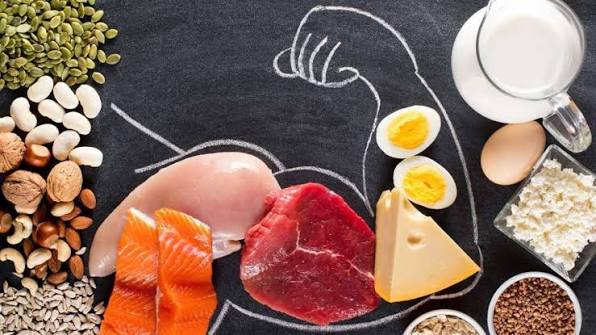
Protein is found in both animal and plant foods. Common sources include eggs, fish, poultry, meat, milk, yoghurt, beans, lentils, soy products, nuts and seeds.
Plant-based foods can provide protein as part of a varied diet. Combining different protein-containing foods across meals can make it easier to meet nutritional needs.
How much protein do you need?
Protein requirements vary depending on factors such as age, body size, activity level and health status. People who are very physically active, older adults or those recovering from certain illnesses may have different nutritional requirements.
More protein is not automatically better. Very high-protein diets can sometimes displace other important foods, including fruits, vegetables and whole grains.
A balanced meal can include a protein source alongside vegetables or fruit and a source of carbohydrates or healthy fats. For example, beans with rice and vegetables, eggs with whole-grain bread and vegetables, or fish with potatoes and greens can provide a combination of nutrients.
Protein is therefore not a special nutrient reserved for athletes or people trying to build muscle. It is a normal and important part of a varied diet.