





























































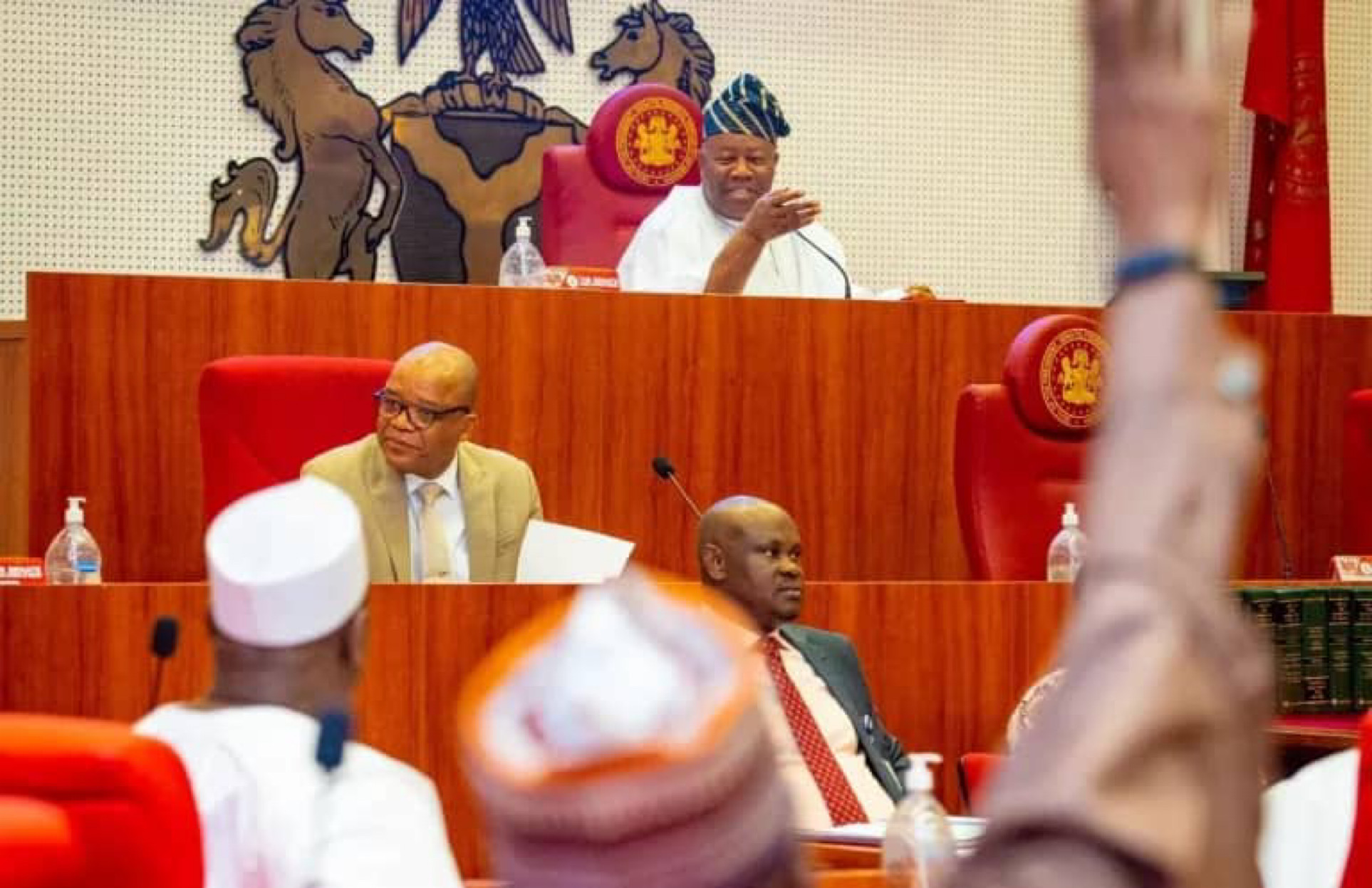
The Nigerian Senate has approved President Bola Tinubu’s external borrowing plan of over $21 billion for the 2025-2026 fiscal cycle. This approval paves the way for the full implementation of the 2025 Appropriation Act.
Key Highlights
- Loan Details: The borrowing package includes $21.19 billion in direct foreign loans, €4 billion, ¥15 billion, a $65 million grant, and domestic borrowing through government bonds totaling approximately ₦757 billion.
- Sector Allocation: The funds will be directed towards critical infrastructure projects, including sectors in power, railways, and healthcare, as well as initiatives in education, agriculture, water supply, and employment generation.
- Repayment Terms: Senator Adetokunbo Abiru assured that the loans are concessional, with tenors ranging from 20 to 35 years, and are strictly tied to capital and human development projects.
Reactions and Concerns
- Support: Senator Victor Umeh hailed the rail project as a milestone, saying it justifies his full support for the loan.
- Concerns: Senator Abdul Ningi expressed concerns over transparency and equitable distribution, warning that Nigerians deserve to know the specifics of the loans and their intended impact.
- Economic Stability: Experts warn that if the loan is approved, Nigeria’s total debt will soar beyond N180 trillion, raising alarms about the country’s economic stability.
Implementation and Impact
- Project Funding: The funds will be used to expand access to clean water, construct modern hospitals, support food production, enhance railway networks, and implement job-generating initiatives.
- National Inclusivity: Deputy Senate President Jibrin Barau commended the committee’s efforts, stressing that the borrowing plan reflects national inclusivity and ensures no region is left out.