









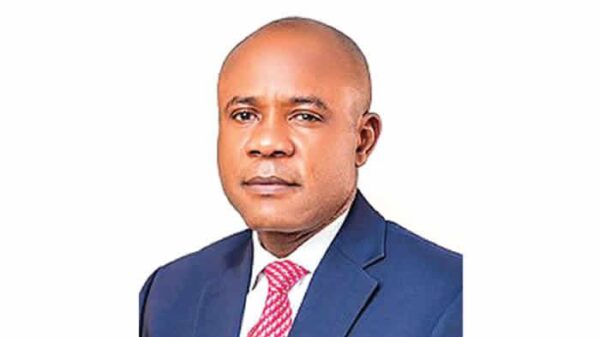





















































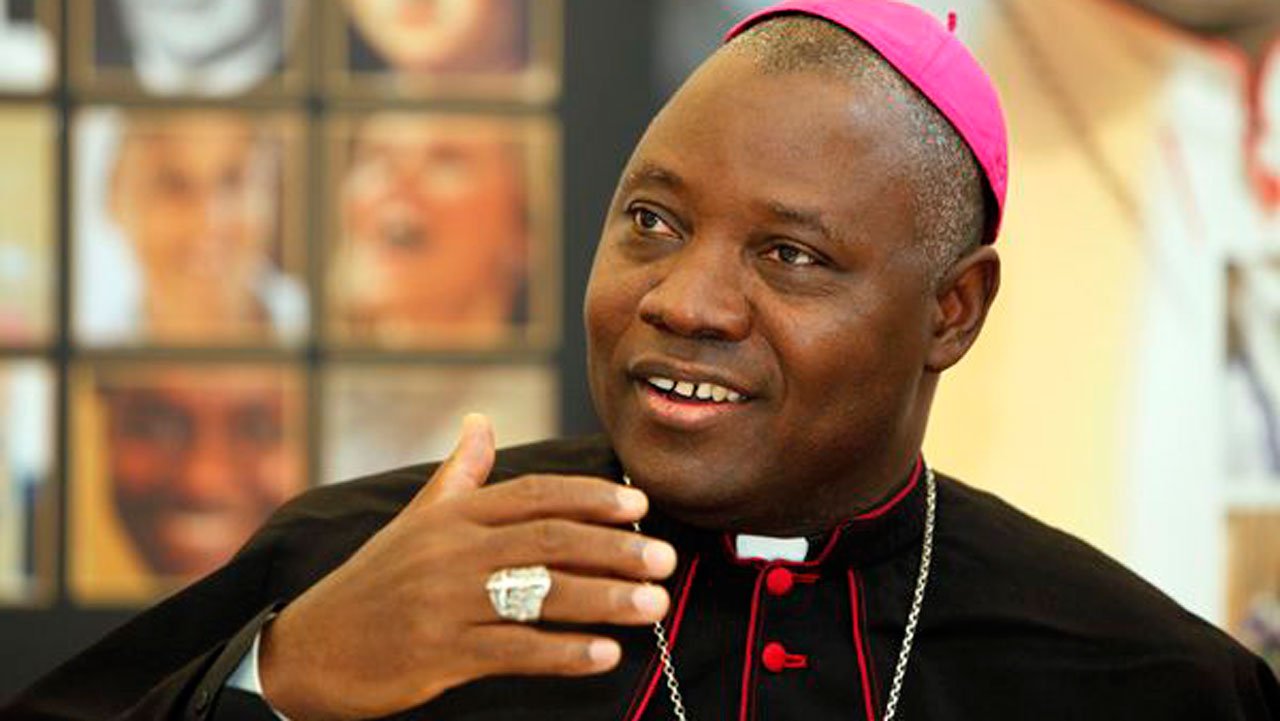
Archbishop Kaigama has urged the government to pursue human-centred economic policies and focus urgently on security and protection of lives.
The Catholic Archbishop of Abuja Diocese, Ignatius Kaigama has called on the Federal Government to ensure that economic policies are guided by compassion, justice, and the real human consequences of governance decisions and not merely by figures and projections.
While advising Nigerian leaders not to prioritise the fixation on winning or losing future elections but concentrate on a more urgent national imperative of restoring security and safeguarding the lives of citizens, he told the government to bear a special responsibility and lead with integrity and courage.
“A country gripped by pervasive insecurity cannot meaningfully debate political succession, economic reform, or democratic consolidation, because fear and instability erode the very foundations upon which governance and electoral legitimacy rest.
“As we celebrate Christmas, we need to reflect on its message and let it challenge us to positive action. The government bears a special responsibility to lead with integrity and courage, but the citizens, too, must reject violence, hatred, corruption, and indifference. We are called to speak truth, defend the vulnerable, and work together to rebuild trust and hope. The scriptures assure us that righteousness exalts a nation”, Kaigama emphasized
The cleric in his Christmas Message on the sacredness of human life advised that the implementation of the new tax laws in the coming year 2026 should be deliberately anchored on a human-centred approach that prioritises the enhancement of life rather than its further degradation.
He said, “Economic policies must therefore be guided not merely by figures and projections, but by compassion, justice, and the real human consequences of governance decisions.
“The economic hardships confronting Nigerians further weigh heavily on the sanctity of life. Rising inflation, unemployment, hunger, and poverty have pushed millions into despair. Parents struggle to provide food, healthcare, and education for their children. Young people face uncertain futures, while the elderly are often left without adequate care. The scripture teaches that rulers are God’s servants for the good of the people and that those entrusted with authority must speak for the poor and defend the needy.
“In that light, it is my fervent hope that the implementation of new tax laws in the coming year will be deliberately anchored on a human-centred approach that prioritises the enhancement of life rather than its further degradation. A tax reform may, on paper, hold many developmental prospects. But it should not be pursued as a purely fiscal or technocratic exercise. It must rather be guided by a social conscience, equity, and a clear and honest appreciation of prevailing economic hardships. In a context already marked by rising poverty, inflation, and weak rural infrastructure, the state has a moral obligation to ensure that the new tax policies do not exacerbate the suffering of the poor or impose disproportionate burdens on rural dwellers who already face limited access to basic services and economic opportunities.
“Sensitivity to these realities demands a progressive implementation, targeted reliefs, and safeguards that protect vulnerable populations, so that taxation becomes a tool for shared development and social stability, not an instrument of exclusion or distress.
“Politically, Nigeria continues to grapple with distrust, corruption, exclusion, and weak accountability. When leadership becomes detached from the suffering of the people, human life is reduced to a statistic rather than treated as sacred.
“Government at both the national and sub-national levels must demonstrate sincerity of purpose, transparency, and an unwavering commitment to the security and welfare of all citizens, irrespective of faith, ethnicity, or location.
“At this critical juncture, the fixation on winning or losing future elections must give way to a more urgent national imperative: restoring security and safeguarding the lives of citizens.
“Leaders across the political spectrum have a moral and constitutional responsibility to rise above partisan calculations and collaborate in good faith to develop and implement a workable, sustainable solution to the security crisis crippling the nation. History will judge today’s leadership not by electoral victories, but by whether they demonstrated the courage, unity, and foresight required to confront an existential threat and reestablish peace, stability, and public confidence in the state.
“The concerted effort by the state and federal government in bringing about the safe release of the abducted school children and staff in Niger State shows that with goodwill, good strategies, and selfless determination to root out criminality, the positive results will be felt by all.
“As our nation is increasingly strained by violence, division, intolerance, and despair, Christmas proclaims a message of reconciliation and peace. At the birth of Christ, the angels declared, ‘Glory to God in the highest, and on earth peace, goodwill toward men’
“Nigeria urgently needs this peace – peace built on justice, truth, and a shared commitment to the common good. Unity of purpose does not mean ignoring our differences, but rising above them to affirm that every Nigerian life matters.
“If we truly embrace the sacredness of human life, Nigeria can yet become a land where peace, justice, and shared prosperity prevail.
“Recently, the argument over whether the killings in parts of our country amount to genocide against Christians has become increasingly divisive and controversial. While the pain, fear, and sense of victimhood felt by many communities are real and must not be dismissed, the framing of the crisis in ways that deepen religious or ethnic fault lines risks killing the very issues that demand urgent attention.”
“When we force a controversy that hardens positions and fuels suspicion, we lose sight of the primary moral imperative: stopping the killings, violent abductions, and acts of terror wherever they occur and whoever the victims may be. An honest and sincere national effort is required, free of denial, exaggeration, or politicisation, to confront insecurity in all its forms and to end the cheapening of human life that now threatens our collective future.”