



































































Mobile banking has become part of everyday life for many Nigerians. From sending money to paying bills, everything can now be done with a mobile phone. However, while mobile banking offers many advantages, it also comes with some challenges. This article explains the pros and cons of mobile banking in Nigeria in simple terms, so even someone with little tech knowledge can clearly understand how it works and what to watch out for.
What Is Mobile Banking?
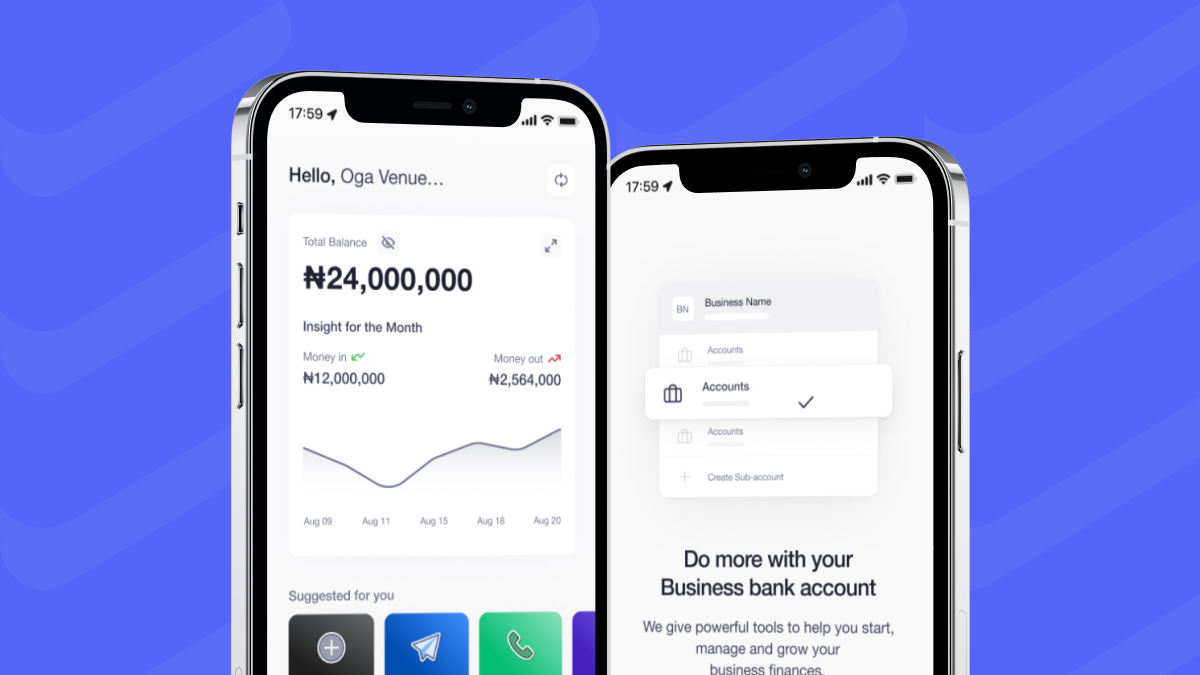
Mobile banking allows users to access their bank accounts using a mobile app or USSD code. With mobile banking, you can:
- Transfer money
- Check account balance
- Pay bills
- Buy airtime and data
Pros of Mobile Banking in Nigeria
One major reason people adopt mobile banking is convenience. Below are the key benefits that highlight the pros of mobile banking in Nigeria.
1. Convenience and Easy Access
Mobile banking allows you to perform transactions anytime and anywhere. You don’t need to visit a bank branch or stand in long queues.
2. Faster Transactions
Transfers and payments are processed quickly. This saves time, especially for businesses and busy individuals.
3. 24/7 Banking Services
Unlike physical banks that close at specific times, mobile banking works day and night, even on weekends and public holidays.
4. Reduced Cost of Transactions
Mobile banking reduces transportation costs and sometimes offers cheaper transaction fees compared to over-the-counter banking.
5. Better Financial Management
Users can easily track spending, check balances, and receive transaction alerts, helping them manage money better.
Cons of Mobile Banking in Nigeria
Despite the benefits, there are also drawbacks. Understanding the cons of mobile banking in Nigeria is important to avoid unpleasant experiences.
1. Network and Internet Issues
Poor network coverage and unstable internet connections can prevent transactions from going through, especially in rural areas.
2. Security Risks and Fraud
Mobile banking users are exposed to scams, phishing, and hacking if they are not careful with their personal information.
3. Technical Problems
App downtime, failed transactions, and system maintenance can cause delays and frustration.
4. Limited Digital Literacy
Some Nigerians, especially the elderly, find mobile banking apps difficult to use due to limited knowledge of technology.
5. Dependence on Mobile Devices
If your phone is lost, damaged, or stolen, access to your mobile banking services may be temporarily affected.
Mobile Banking vs Traditional Banking
To fully understand the pros and cons of mobile banking in Nigeria, it helps to compare it with traditional banking.
Mobile banking:
- Is fast and convenient
- Requires internet or USSD
- Has security risks if misused
Traditional banking:
- Offers face-to-face support
- Takes more time
- Requires physical visits
Both systems have their place depending on user needs.
How to Use Mobile Banking Safely in Nigeria
To enjoy the pros of mobile banking in Nigeria while avoiding the risks, follow these tips:
- Do not share your PIN or OTP
- Use strong passwords
- Avoid clicking suspicious links
- Update your banking app regularly
- Use trusted networks
These steps help reduce fraud and protect your money.
Is Mobile Banking Worth It in Nigeria?
Considering the pros and cons of mobile banking in Nigeria, mobile banking remains a useful tool for most Nigerians. While there are risks, the benefits often outweigh the disadvantages when users stay informed and cautious.
The pros and cons of mobile banking in Nigeria show that mobile banking is both helpful and challenging. It offers convenience, speed, and accessibility but also comes with risks such as fraud and network issues. Mobile banking is not perfect, but it is an important part of Nigeria’s modern financial system.