






























































Connect with us

Hi, what are you looking for?

Latest News

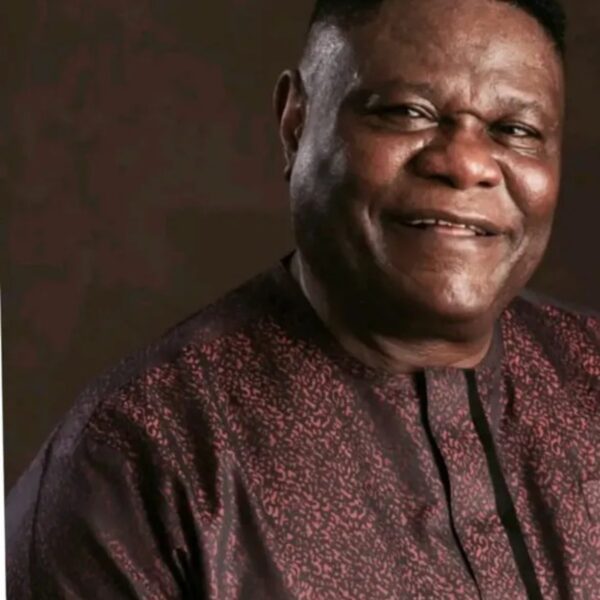
Bishop Mike Okonkwo, the founder of The Redeemed Evangelical Mission (TREM), has spoken out about the leadership crisis plaguing The Fountain of Life Church....

Gists

A heartbreaking incident has left animal lovers worldwide mourning the death of Fiona, the famous hippopotamus whose remarkable survival story captured millions of hearts....

Latest News

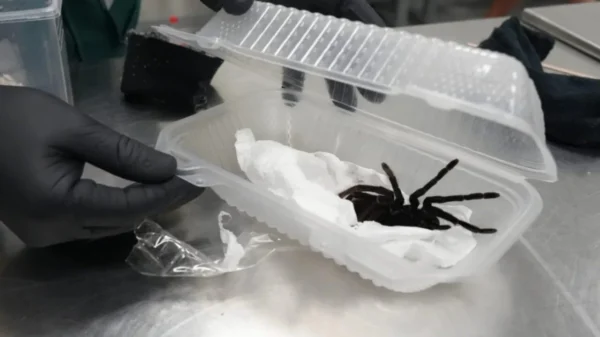
Airport authorities in Peru reportedly made an extraordinary discovery after uncovering more than 3,000 tarantulas concealed inside luggage belonging to three foreign travelers. The...

Latest News

INEC begins accreditation of observers for February 3 by-elections

News

The Independent National Electoral Commission says political party names and symbols will not appear on the sample ballots for its nationwide mock accreditation exercise...

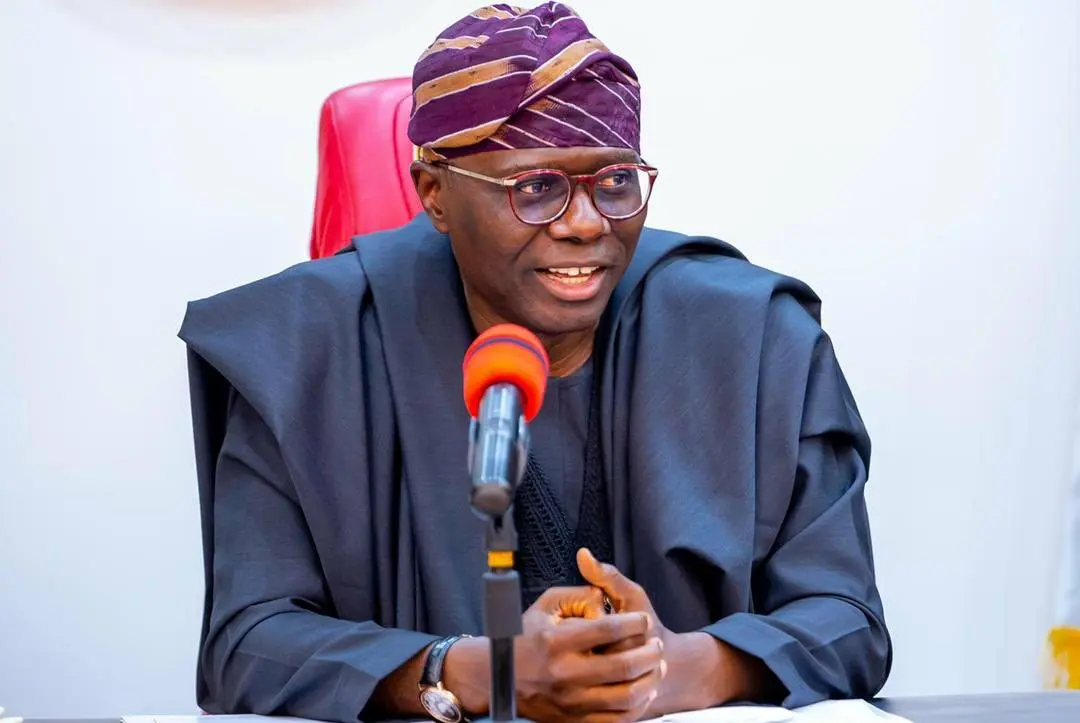
Sanwo-Olu inaugurates two new cabinet members

News

The Lagos State Government has cancelled its monthly environmental sanitation exercise, scheduled for Saturday, 28 November, to avoid disrupting the Independent National Electoral Commission’s...

Today's Quote

“Here’s to the crazy ones. The misfits. The rebels. The troublemakers. The round pegs in the square holes. The ones who see things differently. They’re not fond of rules. And they have no respect for the status quo. You can quote them, disagree with them, glorify or vilify them. About the only thing you can’t do is ignore them. Because they change things. They push the human race forward. And while some may see them as the crazy ones, we see genius. Because the people who are crazy enough to think they can change the world, are the ones who do.”

Advertisement

Latest News

Many Nigerians and business owners have switched to other financial services providers, especially fintechs like Opay, Palmpay, and Paga for a better experience after the recent bugs reported by users of commercial banks’ mobile applications and other digital channels in the aftermath of the currency crisis.  Fintechs, who have been granted permission by the Central Bank of Nigeria (CBN) to operate as mobile money providers, have been helping Nigerians in this tough period of bank failures, as they had hoped.  In addition to quick transfers, mobile money providers reward their users every day and charge no fees.  Some clients, who are ignorant of the license status of these financial service companies with the CBN, are worried about these freebies, nevertheless. Some clients are concerned that these branchless ‘banks’ might one day vanish with their money because some of these offers seem too good to be true.  Yet in reality, the CBN has properly licensed these 17 neo-banks. This means that they are unable to vanish and that the funds under their care are secure.  The Nigeria Deposit Insurance Corporation (NDIC), like the commercial banks, insures deposits in these fintech companies as well.  To be clear, mobile money refers to the initiation, authorisation, and confirmation of a value transfer out of a current/checking, savings, or stored value account using a mobile phone.  The CBN reports that there are already 17 businesses in Nigeria with a license to operate mobile money services. The 17 businesses listed below have been granted licenses by the CBN to offer mobile money services, albeit only a select number are currently well-known for their offerings.  On the list are: Abeg Technologies Limited Chams Mobile Limited eTranzact International Limited...

Latest News

President of the Nigeria Labour Congress (NLC); Joe Ajaero has directed public sector workers in the country to embark on strike beginning from Wednesday...

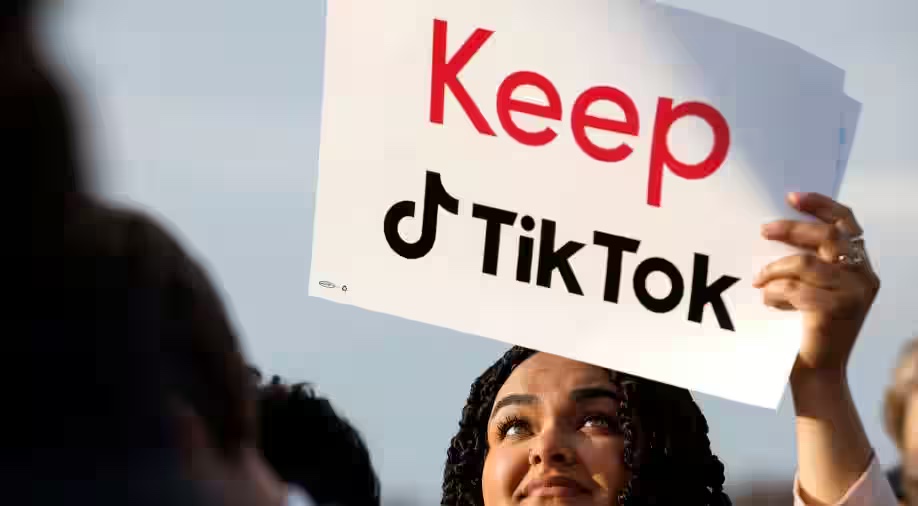
TikTok to be banned on UK government phones TikTok to be banned on UK government phones

Latest News

TikTok has revised its policies and guidelines for users and content in response to mounting criticism from western authorities who are worried that content on the Chinese-owned video-sharing  app  may  be  used  to disseminate false information.  A revised set of community rules that the firm published includes eight guiding principles for content moderation choices.  Julie de Bailliencourt, TikTok’s global head of product policy, stated that these guidelines are founded on the company’s commitment to upholding human rights and are consistent with international legal frameworks. The Chinese-owned  app  has  drawn  criticism in the US, Europe, and Asia-Pacific, where an increasing number of governments have prohibited TikTok from being used on devices used for official business due to concerns that it poses risks to cybersecurity and data privacy or that it could be used to spread false information and narratives in favor of Beijing.  No proof exists that this has occurred or that TikTok has provided user information to the Chinese government, as some of its detractors have said it would.  On Thursday, chief executive Shou Zi Chew is due to testify before the US Congress. He will be questioned about the company’s privacy and data-security  policies  as  well  as its ties to the Chinese government. The rules were repackaged from TikTok’s previous standards with more information and justifications, and will go into force on April 21.  More information about its restrictions on deepfakes, also known as synthetic media produced by artificial intelligence technology, is one of the adjustments that are more noteworthy.  In a clearer statement of its policy, TikTok states that all deep fakes or edited video that depicts realistic settings must bear a label indicating that they are fake or have been in some way altered.  Prior to this, the app had a ban on deep fakes that hurt viewers by deceiving them about actual events. ...

Advertisement Enter ad code here