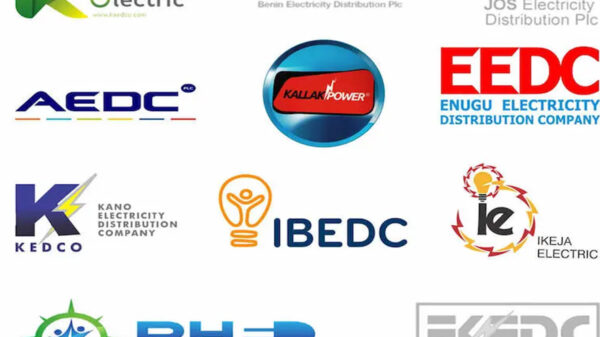





















































Nigeria’s power crisis worsens as DisCos’ ₦2.4tn losses trigger declining generation, rising debt, prolonged outages, and growing consumer frustration nationwide.
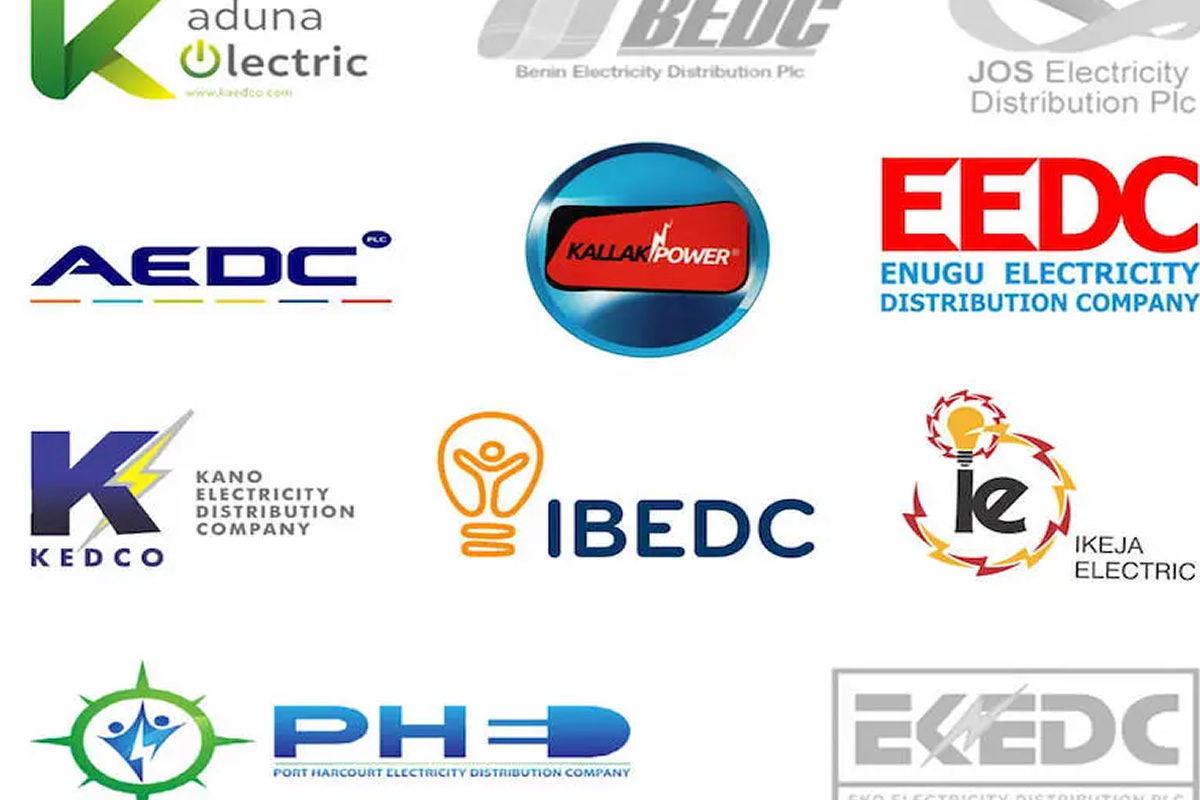
Nigeria’s electricity crisis is intensifying, as distribution companies (DisCos) record over ₦2.4 trillion in losses within two years, worsening blackouts and straining the entire power sector.
The losses, spanning 2024 and 2025, stem largely from billing inefficiencies, weak revenue collection, and cost recovery challenges, according to industry data and regulatory insights. The crisis cuts across the electricity value chain, affecting distribution companies, generation companies (GenCos), and gas suppliers, ultimately impacting millions of consumers.
Data shows DisCos recorded losses exceeding ₦1 trillion in 2024, which rose sharply in 2025 to about ₦1.334 trillion, bringing the total to roughly ₦2.349 trillion. Billing inefficiencies accounted for ₦649.87 billion, while poor revenue collection led to ₦684.28 billion in losses in 2025 alone.
The mounting financial strain has disrupted the balance of the power ecosystem. DisCos are increasingly unable to meet obligations to GenCos, which in turn struggle to pay gas suppliers. This has forced gas producers to cut supply, contributing to a steady decline in electricity generation.
Available figures indicate that national power generation has dropped from an average of 4,600 megawatts in 2025 to below 3,500 megawatts in early 2026. As a result, load shedding has intensified, with widespread outages reported across the country.
For households and businesses, the impact has been severe. Many areas now receive less than 12 hours of electricity daily, while others get as little as three to six hours. In parts of Abuja, including Karu and Lokogoma, residents reportedly receive barely three hours of power, while communities in Delta State under the Benin Electricity Distribution Company (BEDC) franchise experience prolonged outages lasting days.
The broader sector remains burdened by over ₦6 trillion in debt, with generation companies owed significant sums. Several power plants now operate below capacity due to inadequate gas supply, further worsening electricity shortages.
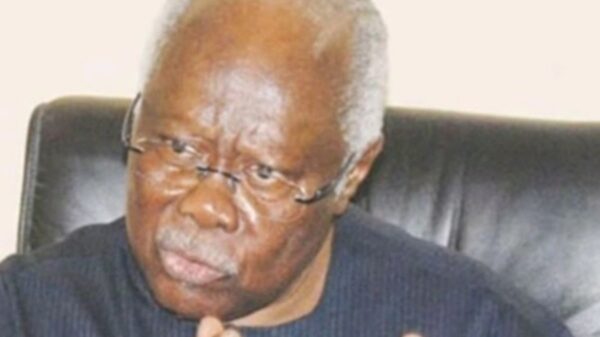
The deepening crisis has also sparked criticism from consumers and stakeholders. Chairman of the Electricity Consumers Association of Nigeria, Chijoke James, accused DisCos of exploitative billing practices. “At the distribution level, sharp practices have persisted for years. Estimated billing remains the most exploitative system in the Nigerian power sector,” he said.
“The outrageous bills issued to customers are the main reason many resist payment. No one is willing to pay for electricity not supplied.
“Some DisCo staff also exploit the situation by extorting consumers under the threat of disconnection without remitting such payments to the company.
“When you see them carrying ladders, it raises suspicion, not of service delivery, but of extortion,” he added.
Experts have also pointed to metering gaps as a key driver of inefficiencies. Lawyer and power sector consultant, Bode Fadipe, stressed the importance of accurate measurement in billing. “Once a customer has no meter, any billing method becomes presumptive and inherently inaccurate.
“If the input data is faulty, the output will also be faulty. This is why disputes over billing persist.”
Fadipe called for comprehensive metering across the electricity chain, noting: “Electricity can be measured at every point. Once it is measured, it can be accurately billed. The real solution is comprehensive metering.”
Meanwhile, the depth of the crisis has been underscored by moves within government. The Presidential Villa in Abuja is reportedly planning to exit the national grid following the completion of a ₦17 billion solar mini-grid project aimed at ensuring uninterrupted power supply.
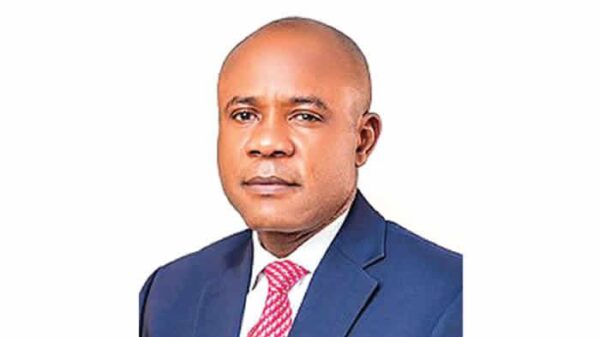
Reacting to the development, Acting Managing Director of Abuja Electricity Distribution Company (AEDC), Engr Chijoke Okwuokenye, said: “The issue is that someone took the decision to run the state house on generators because they couldn’t afford the risk of interruption and this arrangement has lingered for years.
“What I find troublesome is the fact that, with a little more investment in storage and network upgrade, the Villa could easily have been assured uninterrupted power supply. This would have presented better optics and demonstrated confidence and support for the sector.
“Technology has evolved so much that it is very possible to provide uninterrupted reliable power with at most a little premium that is still far cheaper than diesel generation.
“The DisCos are at a point where we can provide premium hybrid solutions that will see us take over even the cost of diesel generation and offer supply guarantees, yet you see a lot of government agencies choosing to run generators, it tells you there is a different interest at stake”, he stated.
As the situation worsens, stakeholders continue to call for urgent government intervention, warning that without decisive reforms, Nigeria’s power sector risks deeper instability and warning that without decisive reforms, Nigeria’s power sector risks deeper instability and prolonged nationwide blackouts.