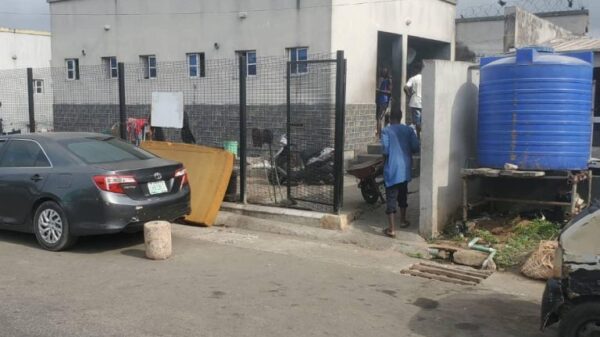
































































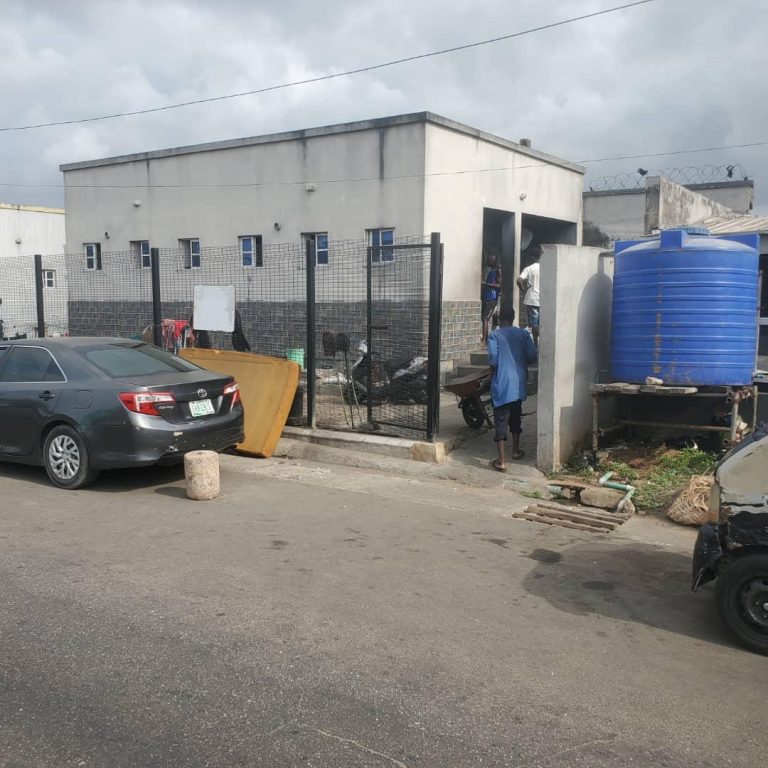
Residents of Oregun in Lagos State are up in arms over the rampant open defecation on Kudirat Abiola Way, with faeces and urine littering the drainage system and creating an unbearable stench. The situation has become so dire that it’s affecting daily life, with commuters and business owners complaining about the health risks and unpleasant atmosphere.
When we visited the area, we found fresh faeces and waste scattered in the drainage, with some residents attributing the problem to unknown individuals using the area as a toilet. Mrs Taiwo Ayodeji, a resident, lamented the practice, calling for government intervention to address the issue.
Open defecation has become a familiar sight, with residents like Ifeanyi Succes stating that the smell of faeces is always present. Another resident, Razaq Sanni, warned that if left unchecked, the practice could lead to disease outbreaks and further degrade the environment.
Public health experts are sounding the alarm, warning that open defecation poses serious health risks, including the spread of waterborne diseases like cholera, typhoid, and dysentery. The Lagos State Government has acknowledged the problem and is working to address it, with plans to increase public toilets and enforce environmental laws.
The government has also launched awareness campaigns to educate residents about the dangers of open defecation and promote good hygiene practices. However, some residents argue that more needs to be done to tackle the issue, particularly in addressing the root causes of the problem, such as homelessness and lack of access to sanitation facilities.
The Lagos State House of Assembly has also gotten involved, urging the Ministry of Environment and Water Resources to enforce environmental laws and provide free public toilets. The assembly has also emphasized the need for sustained awareness campaigns to educate residents about the risks of open defecation.
Despite efforts to address the issue, open defecation remains a significant problem in Lagos, with an estimated 48 million Nigerians still practicing it. The situation is particularly dire in riverine areas and slums, where access to sanitation facilities is limited.
The economic implications of open defecation are significant, with poor sanitation leading to increased healthcare costs, reduced productivity, and a diminished quality of life. Experts argue that addressing the issue requires a concerted effort from the government, stakeholders, and the public.
The Federal Government has set a target to end open defecation nationwide by 2030, but some experts believe that more needs to be done to achieve this goal. Increased investment in sanitation infrastructure, public awareness campaigns, and community engagement are crucial to addressing the issue.
In the meantime, residents of Oregun are calling for urgent action to address the open defecation problem on Kudirat Abiola Way. As one resident put it, “The government and community leaders need to intervene before the situation gets worse”.