

































































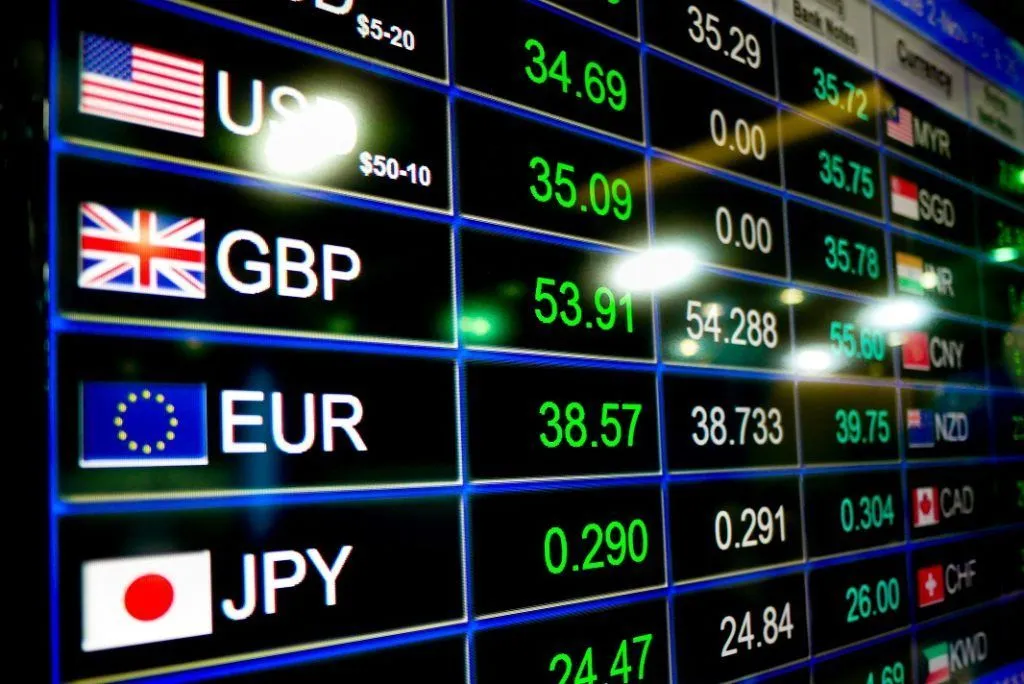
The topic of exchange rates often comes up in conversations about the Nigerian economy, but many people do not fully understand how it works. Exchange rates in Nigeria play a major role in determining how much we pay for food, fuel, rent, electronics, and other everyday items. When exchange rates in Nigeria change, prices of goods and services usually change too. This is why a rise or fall in the dollar rate can quickly affect the cost of living.
What Are Exchange Rates?
An exchange rate is the value of one currency compared to another. In Nigeria, the most talked-about exchange rate is the naira to the US dollar.
For example:
-
If ₦800 equals $1, the exchange rate is ₦800/$1
-
If it later becomes ₦1,200 to $1, the naira has weakened
Changes like this are what we refer to when discussing exchange rates in Nigeria.
Why Exchange Rates Matter in Nigeria
Nigeria depends heavily on imported goods such as fuel, food items, electronics, machinery, and raw materials. Because of this, exchange rates in Nigeria directly affect how much it costs to bring goods into the country.
When the naira weakens:
-
Importers pay more naira to buy dollars
-
Imported goods become more expensive
-
Prices increase for consumers
How Exchange Rates Affect the Prices of Goods
One of the clearest ways exchange rates in Nigeria affect prices is through imported products.
When the exchange rate rises:
-
Food items like rice, wheat, and cooking oil become more expensive
-
Phones, laptops, and electronics cost more
-
Fuel prices may increase
Since many businesses rely on imported raw materials, higher costs are passed on to customers.
Impact on Locally Produced Goods
Even local products are affected by exchange rates in Nigeria.
This happens because:
-
Many local producers import equipment or raw materials
-
Transportation costs increase due to fuel prices
-
Packaging materials are often imported
As a result, even “made in Nigeria” goods become more expensive when exchange rates rise.
How Exchange Rates Affect Transportation and Services
Transportation is another area heavily influenced by exchange rates in Nigeria.
-
Fuel prices increase when exchange rates rise
-
Transport fares go up
-
Delivery costs increase
Service providers such as schools, hospitals, and landlords also raise prices to cover higher operating costs.
Effect on Salaries and Purchasing Power
While prices rise due to exchange rates in Nigeria, salaries often remain the same.
This leads to:
-
Reduced purchasing powe
-
People buying fewer goods with the same income
-
Increased financial pressure on households
In simple terms, your money buys less when exchange rates are high.
How Exchange Rates Affect Small Businesses
Small businesses feel the pressure of exchange rates in Nigeria the most.
They face:
-
Higher costs of goods and materials
-
Reduced customer spending
-
Lower profit margins
Some businesses are forced to increase prices, while others struggle to survive.
Why Exchange Rates Change in Nigeria
Several factors influence exchange rates in Nigeria, including:
-
Demand and supply of foreign currency
-
Oil revenue levels
-
Inflation
-
Government and CBN policies
-
Investor confidence
When Nigeria earns fewer dollars or demand for dollars increases, the naira weakens.
How Nigerians Can Cope with Rising Exchange Rates
While individuals cannot control exchange rates in Nigeria, there are ways to reduce the impact.
-
Budget carefully
-
Reduce reliance on imported goods
-
Support locally made products
-
Look for additional income streams
Planning ahead helps reduce financial stress.
Exchange rates in Nigeria affect almost every price we pay, from food and fuel to rent and transportation. When the naira weakens, imported goods become more expensive, businesses face higher costs, and the cost of living rises.While exchange rate changes may be unavoidable, awareness and smart planning can help Nigerians manage their money more effectively.