





































































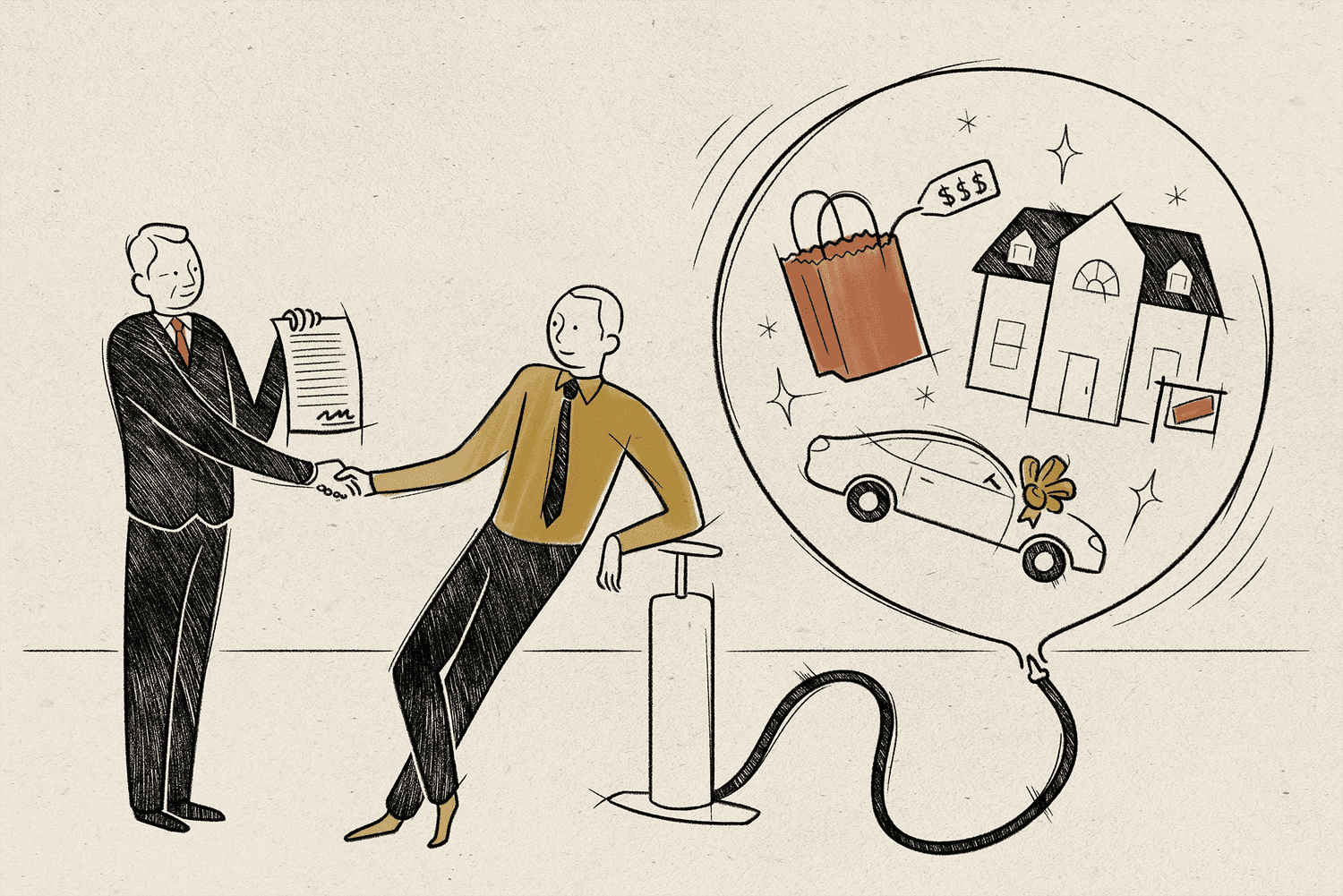
You get a raise. You get a better job. Your income grows. And somehow despite earning more than you ever have before, you don’t feel noticeably more financially secure. The money comes in, the lifestyle expands to meet it, and within a few months it feels like you’re back to the same level of financial tightness you were in before. If this is familiar, you’ve experienced lifestyle inflation — and you’re far from the only one.
Lifestyle inflation is the tendency for spending to rise in proportion to income. It’s not a conscious decision in most cases, it happens gradually, through a series of individually reasonable upgrades that together absorb every additional naira earned before it can build into anything lasting.
Learning how to avoid lifestyle inflation is one of the most important financial skills available to anyone whose income is growing because income growth without lifestyle discipline doesn’t produce wealth. It produces a more expensive version of the same financial pressure.
Why Lifestyle Inflation Is So Hard to Avoid
Lifestyle inflation feels justified because most of the individual spending decisions that fuel it are genuinely reasonable. Of course you should eat better when you can afford to. Of course you deserve a more comfortable living situation. Of course you can upgrade your phone after years of making do.
None of those decisions are wrong. Lifestyle inflation becomes a problem when all of them happen simultaneously, automatically, and before any of the income increase is directed toward financial goals.
How to Avoid Lifestyle Inflation as Your Income Grows
– Decide in advance what percentage of any increase you’ll save. The most effective way to avoid lifestyle inflation is to make the savings decision before the spending decision. When a raise arrives, commit to saving a fixed percentage of it immediately before the lifestyle has a chance to adjust upward to absorb it.
– Distinguish between permanent upgrades and one-off rewards. To avoid lifestyle inflation, it helps to separate upgrading your lifestyle permanently from celebrating your progress meaningfully. A one-time celebration is not the same as permanently raising your spending baseline.
– Audit your fixed costs regularly. Lifestyle inflation often lives in fixed monthly commitments — upgraded subscriptions, higher rent, newer payment plans — that quietly raise your financial floor and make every future month more expensive by default.
– Keep your lifestyle anchored to purpose, not income. Spending that reflects what genuinely makes your life better is very different from spending that simply keeps pace with what you now earn. Avoid lifestyle inflation by asking whether each upgrade is adding real value or just matching a new income level.
– Delay upgrades intentionally. When income increases, impose a deliberate waiting period before making significant lifestyle changes. Thirty days of sitting with the decision removes the automatic impulse to immediately spend the new margin.
What Avoiding Lifestyle Inflation Actually Produces
When you avoid lifestyle inflation consistently, something powerful happens over time. Income growth starts translating into genuine financial security rather than just more comfortable spending. The gap between what you earn and what you need widens and that gap is where financial freedom actually lives.
To avoid lifestyle inflation, you have to make intentional saving decisions before automatic spending decisions fill the space. Every income increase is an opportunity — but only if you capture part of it before your lifestyle does.
Takeaway: The next time your income increases — raise, bonus, or new income stream — commit to saving at least 50% of the increase before adjusting your lifestyle. Let your savings rate grow alongside your income.