
































































Lassa Fever Outbreak Hits Benue: 383 Suspected Cases, 47 Confirmed
Benue State is grappling with a severe Lassa fever outbreak, with 383 suspected cases and 47 confirmed infections reported. The state’s health authorities have expressed concern over the rising numbers, particularly among healthcare workers, with 10 fatalities recorded among medical personnel.
The Benue State University Teaching Hospital (BSUTH) has recorded 28 suspected cases, with 17 confirmed positive and three deaths. The hospital’s Chief Medical Director, Dr. Terungwa Stephen Hwande, has sounded the alarm, citing pressure on the hospital’s response capacity.
The State Epidemiologist, Dr. Msuega Asema, has attributed the outbreak to gaps in infection prevention and control practices within health facilities. He urged residents to promptly report symptoms, such as fever, weakness, headache, and bleeding, at designated health facilities.
The Commissioner for Health and Human Services, Dr. Paul Ogwuche, has assured the public that the government is taking swift action to contain the outbreak. Surveillance teams have been deployed across the 23 local government areas to strengthen monitoring, contact tracing, and community engagement.
The Nigeria Centre for Disease Control and Prevention (NCDC) has reported that Lassa fever cases are on the rise nationwide, with 469 confirmed cases and 109 deaths recorded in 2026. The agency has activated a multi-partner Incident Management System to coordinate response efforts.
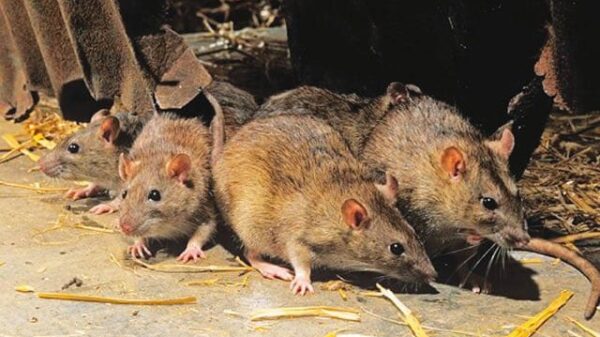
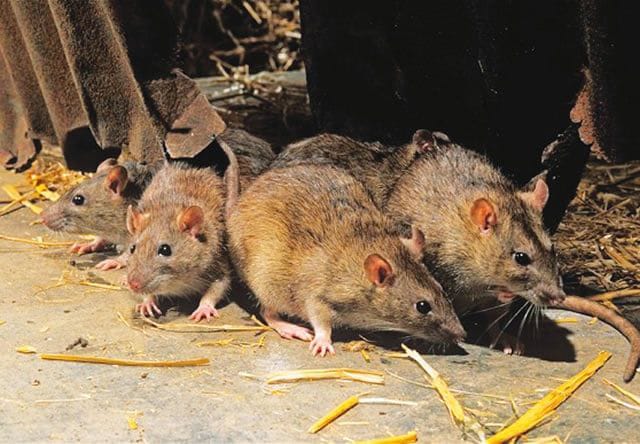
Lassa fever is a viral hemorrhagic illness caused by the Lassa virus, primarily transmitted through contact with infected rodents or contaminated food and water. Human-to-human transmission can occur through contact with infected bodily fluids.
The World Health Organization (WHO) recommends early diagnosis, supportive care, and antiviral treatment with ribavirin to manage Lassa fever. Prevention measures include avoiding contact with rodents, using protective gear, and practicing good hygiene.
The Benue State government has intensified containment measures, including deploying surveillance officers and establishing isolation centers. Residents are advised to remain vigilant and cooperate with health authorities to curb the spread of the disease.