





































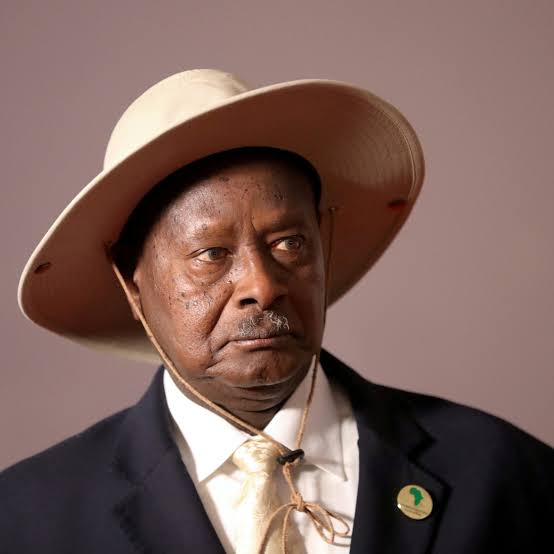
When Yoweri Museveni seized power in Uganda back in 1986, he boldly proclaimed that “the problem of Africa, in general, and Uganda, in particular, is not the people but leaders who want to overstay in power.” Ironically, here we are, witnessing the 81-year-old former rebel leader seeking a seventh term in office—a striking testament to nearly four decades as Uganda’s leader, during which most citizens have known no other ruler.
Museveni’s rise to power ignited a wave of hope as he led a rebellion against tyrannical regimes. However, that initial goodwill has since dimmed under the cloud of corruption scandals and authoritarian governance. “Corruption has been central to his rule from the beginning,” noted Kristof Titeca, a professor at the University of Antwerp, highlighting the persistent issue that plagues his administration.
While Museveni has admitted to corruption within his government, he defends his record by insisting that officials caught engaging in wrongdoing have been prosecuted. A savvy political strategist, he has skillfully built strong international ties, aligning himself with Western security priorities, deploying peacekeepers to regions such as Somalia and South Sudan, and offering refuge to thousands fleeing conflict.
Domestically, Museveni’s legacy is complex. His government has garnered praise for its role in tackling the AIDS crisis and defeating the infamous Lord’s Resistance Army, which wreaked havoc across Uganda for nearly two decades. Yet, the stain of corruption has severely undermined public services. UNICEF reports indicate that only one in four Ugandan children who start primary school actually transition to secondary education, and opportunities for well-paying jobs remain frustratingly scarce.
Museveni’s political journey began in exile, where he founded a militant movement that played a pivotal role in ousting the notorious President Idi Amin. Following a tumultuous political landscape, he ultimately led the National Resistance Movement to victory over President Tito Okello in 1986. In his swearing-in address, he declared, “This is not a mere change of guard. This is a fundamental change in the politics of our government.”
Initially, Western nations celebrated his efforts to restore order, attract investment, and elevate living standards. However, as economic growth flourished, so did public discontent fueled by corruption. A privatization program saw numerous state enterprises sold at bargain prices to Museveni’s family and allies, with reports of substantial embezzlement surfacing over the years.
Kizza Besigye, Museveni’s former physician during his rebel struggle, became a vocal critic, accusing him of corruption and human rights violations. Over his six electoral contests, Museveni has consistently emerged victorious, including four times against Besigye, who now faces treason charges after being arrested in 2024.
Critics claim that the abolishment of presidential term limits in 2005 was a strategic move to secure Museveni’s grip on power indefinitely. Opposition candidates have historically rejected election results, citing rampant irregularities. While authorities refute these claims, police have routinely cracked down on protests from opposition supporters.
In 2006, Museveni brushed off Western criticisms, declaring, “If the international community has lost confidence in us, then that is a compliment because they are habitually wrong.” Over time, he has shifted his focus toward fostering stronger relationships with nations like China, Russia, and Iran to diminish reliance on Western partners. The discovery of significant oil reserves has further fortified his power, leading to partnerships with major corporations like TotalEnergies and CNOOC for an ambitious export pipeline.
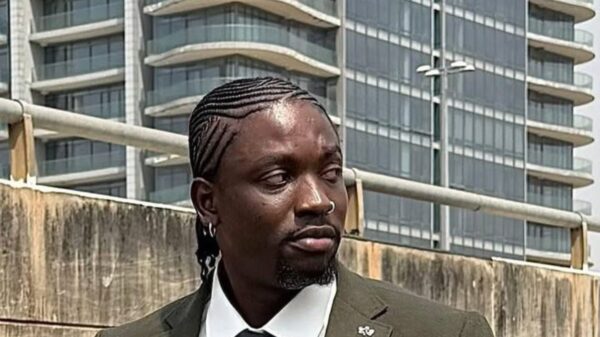
As Museveni approaches the polls on Thursday, his main challenger is none other than Bobi Wine—a 43-year-old pop icon turned politician. While analysts predict Museveni’s victory is nearly assured, uncertainty lingers about what the future holds, particularly as signs of his physical decline become more apparent.
“The looming question over this election is how succession will be handled,” Titeca observed, noting the rapid ascent of Museveni’s son, Muhoozi Kainerugaba, the current military chief. The opposition claims Museveni is fast-tracking his son’s career as preparation for a future transition, while seasoned politicians from Museveni’s early days have been gradually sidelined.
Charles Onyango-Obbo, a former newspaper editor, remarked that the outcome of this election could significantly influence Museveni’s forthcoming political maneuvers. “This is less about the results that will be announced, and more about the mood on the ground,” he explained, hinting that a handover could still be years away. “Museveni may be more frail now, but he is a workaholic… he will not step down, even if it means needing a walking stick.”