


































































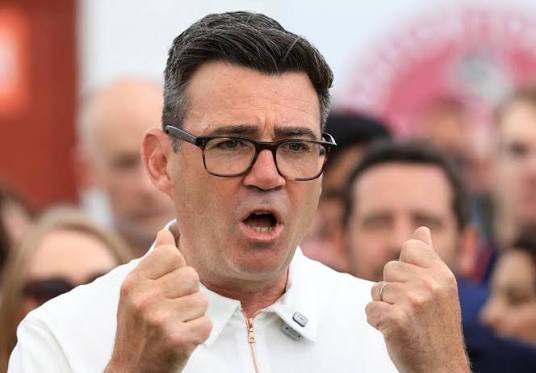
UK Prime Minister Andy Burnham has indicated he is willing to consider a formal state apology for Britain’s historical involvement in the transatlantic slave trade. However, he remains firmly opposed to providing financial reparations.
The Labor leader shared these views in an op-ed published by The Guardian. His statements arrived just ahead of his scheduled attendance at the Commonwealth heads of government summit in Antigua and Barbuda, coinciding with King Charles III’s ongoing tour of the Caribbean.
In his article, Burnham condemned the transatlantic slave trade as a “brutal and barbaric violation” of human rights. He expressed deep sorrow and regret for the immense pain inflicted upon millions of enslaved people, noting that the legacy of this suffering continues to influence the modern world.
To address the historical trauma, the British Prime Minister announced that his administration seeks a “structured dialogue” with affected nations and communities.
Burnham emphasized that listening to demands for an official apology from the British state would be central to these discussions, expressing openness to the gesture.
The upcoming Commonwealth summit, scheduled from November 1 to 4, will feature an address from King Charles III. The monarch’s Caribbean tour has been heavily overshadowed by Britain’s historical dominance in global slavery and its treatment of former colonial territories. Earlier in his trip, while visiting the Bahamas, the King acknowledged the region’s profound historical suffering.
Historically, the UK government has never issued a formal apology or consented to financial compensation for slavery. Burnham reinforced this long-standing policy, explicitly stating that financial reparations are not the appropriate solution. He argued that modern British citizens should not be held financially liable for the severe offenses committed in a previous era under different laws, especially since they played no personal role in those events.
Great Britain accumulated vast wealth over centuries through its colonial exploits and active participation in the slave trade, before eventually passing legislation to abolish the practice within most of its empire in 1833.