


































































Fibre is a type of carbohydrate found mainly in plant foods. Unlike other carbohydrates, much of it is not fully digested by the body. It passes through the digestive system and supports several important functions.
One of the best-known benefits of fibre is its role in digestion. Fibre can help add bulk to stool and support regular bowel movements, which may help prevent constipation.
Fibre can also support heart health. Some types of fibre can help reduce the absorption of cholesterol in the digestive tract. Eating enough fibre is also associated with a lower risk of several chronic diseases.
Where can you get fibre?
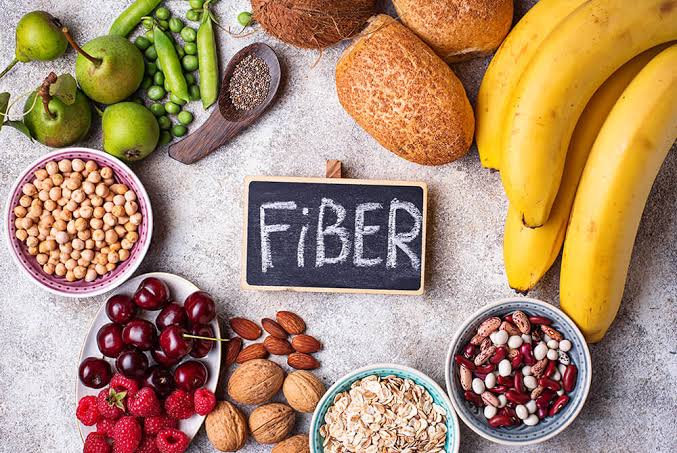
Good sources include:
- Beans, lentils and other legumes
- Fruits and vegetables
- Oats and other whole grains
- Nuts and seeds
- Whole-grain bread, rice and cereals
Eating a variety of these foods provides different types of fibre and other nutrients.
How much fibre do you need?
Fibre requirements vary with age and individual needs. Increasing fibre gradually can make it easier for the digestive system to adjust. Drinking enough fluid is also important, particularly when increasing fibre intake.
It is generally better to get fibre from a variety of whole foods rather than relying heavily on fibre supplements.
A diet that includes vegetables, fruits, legumes and whole grains can provide fibre alongside vitamins, minerals and other beneficial nutrients. Making these foods part of regular meals is a simple way to support digestive and overall health.