



















































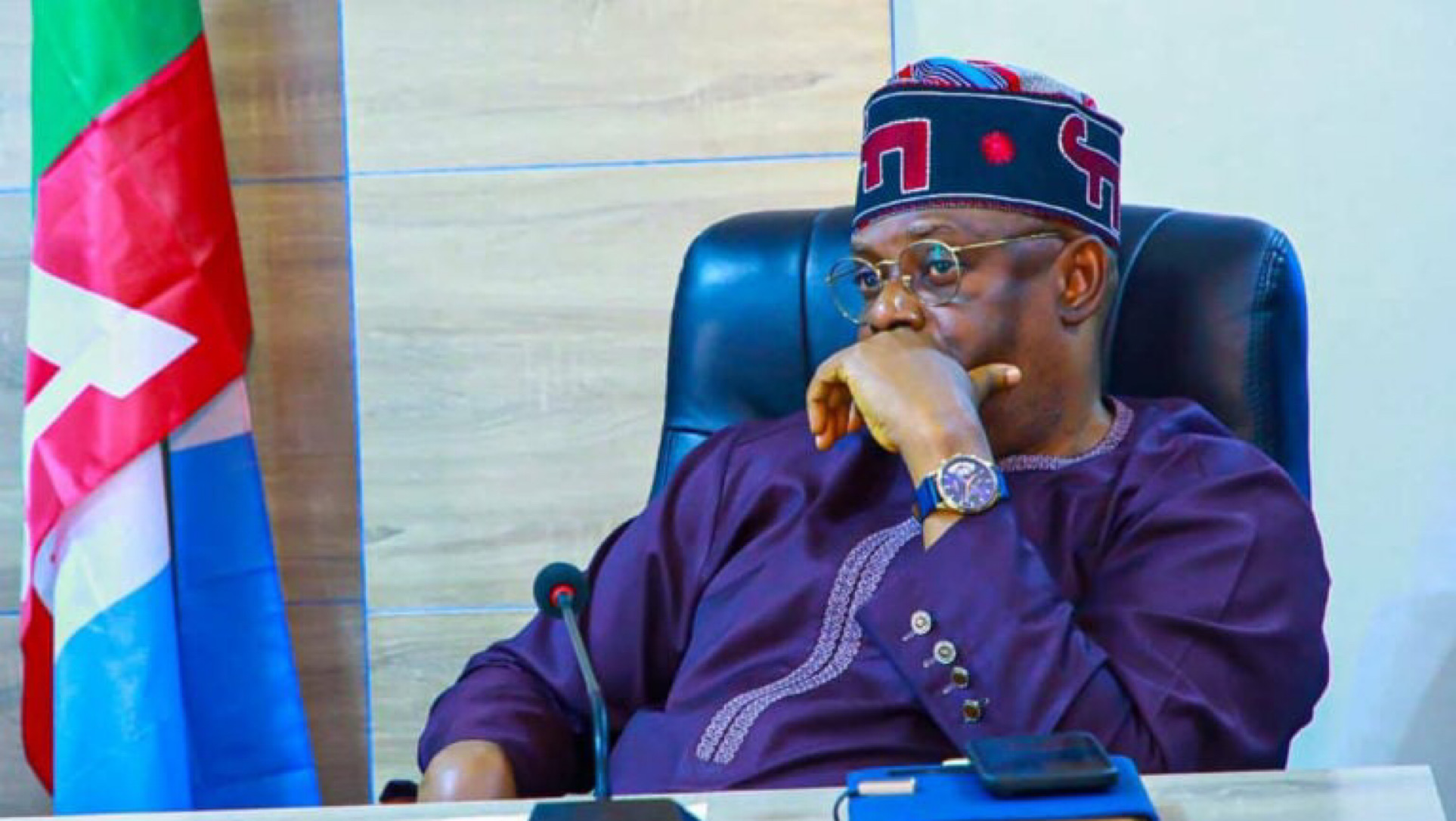










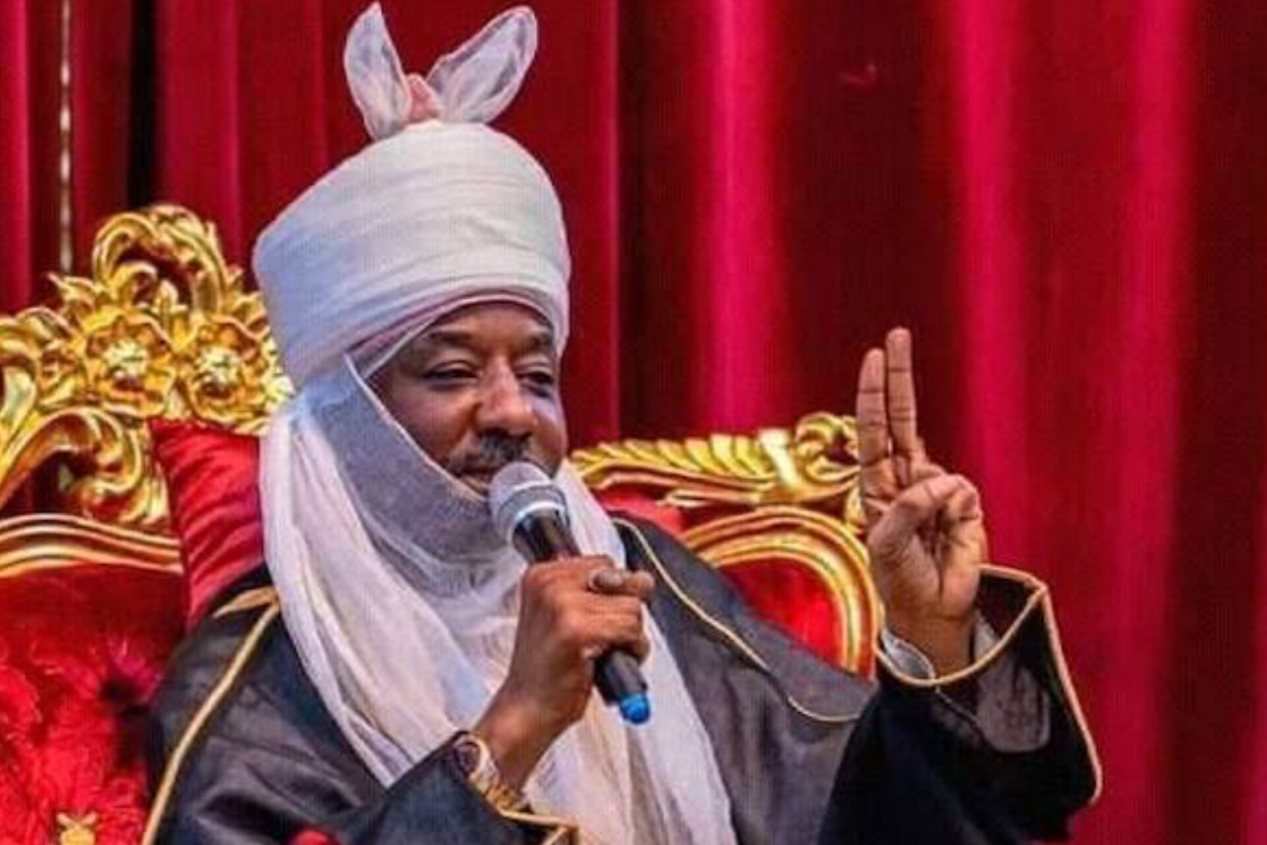

The Emir of Kano and former Governor of the Central Bank of Nigeria (CBN), Sanusi Lamido Sanusi, has stated that his role as a traditional ruler revealed to him the true depth of poverty in Nigeria.
Speaking in Abuja on Saturday, May 31, at a public lecture organized to mark the 60th birthday of former Rivers State Governor, Rotimi Amaechi, Sanusi noted that despite his prior positions in government and finance, it was only as Emir that he fully understood the severe challenges faced by many Nigerians.
Delivering a goodwill message at the lecture themed “Weaponization of Poverty as a Means of Underdevelopment: A Case Study of Nigeria,” Sanusi remarked that the country’s elite remain largely detached from the realities endured by the majority. “Many of the elite in Nigeria do not know what poverty is. As an economist, former CBN Governor, I see the numbers. I did not know poverty until I became Emir,” he said.
He described the dire conditions he witnessed in rural communities, including inadequate housing, unsafe drinking water, and dilapidated classrooms. “You go to the village and see the water they drink, the houses they live in, the two-block classrooms without roofs,” he said, challenging the nation’s priorities. “Do we actually love the people or do we just love ruling over them? What are our priorities. We make overheads and underpasses for ourselves in the cities while there in the rural areas cannot reach hospitals. We are in crisis, how do we get out should be our focus.”
Sanusi urged political leaders to demonstrate genuine compassion for those they govern, advocating for a shift from self-serving governance to policies focused on the people’s welfare.
Also addressing the event, former Governor of Kaduna State, Nasir El-Rufai, decried what he called a persistent failure by Nigerians to choose competent leaders. “We keep electing people who only know how to grab power but don’t know what to do with it,” El-Rufai said, pointing out a trend of leadership that fails to meet the country’s developmental demands.
In his remarks, former Executive Secretary of the National Health Insurance Scheme, Prof. Usman Yusuf, noted that many issues presented at hospitals are not medical but arise from broader socio-economic dysfunction. He attributed widespread poverty to systemic corruption and poor governance, cautioning that unless Nigerians become more selective in their electoral decisions, the cycle of underdevelopment will continue.
A Gentle Reminder: Every obstacle is a stepping stone, every morning; a chance to go again, and those little steps take you closer to your dream.
Nnamdi Okoli