





































































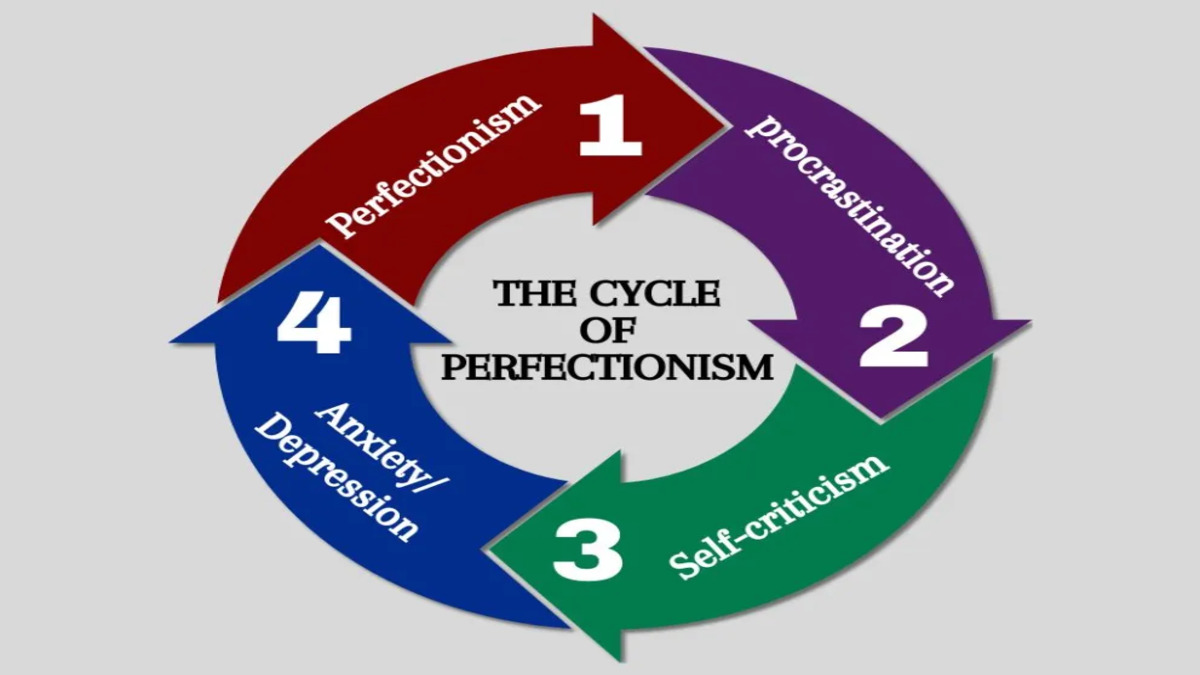
Many people think procrastination is laziness and perfectionism is a strength. But when you understand the psychology of procrastination and perfectionism, you begin to see that they are often connected. The psychology of procrastination and perfectionism explains why people delay tasks not because they do not care, but because they care too much. When expectations become too high, fear steps in. Learning about the psychology of procrastination and perfectionism helps you break the cycle of delay, stress, and self-criticism.
How Perfectionism Leads to Procrastination
One key part of the psychology of procrastination and perfectionism is fear of failure. Perfectionists often set very high standards. They want their work to be flawless.
But when the standard feels impossible, starting becomes scary. You may think, “If I cannot do it perfectly, why start at all?” So you delay. This delay is not laziness. It is avoidance driven by fear.
Perfectionism creates pressure. Procrastination becomes a way to escape that pressure.
Fear of Judgment
Another important factor in the psychology of procrastination and perfectionism is fear of being judged. You may worry about criticism or disappointing others.
Instead of risking a mistake, your brain chooses safety. That safety looks like scrolling, cleaning, or doing less important tasks. It feels productive, but it avoids the real task.
This behavior protects your ego in the short term but increases stress in the long term.
The Role of Self-Worth
The psychology of procrastination and perfectionism also connects to self-worth. Some people link their value to their performance. If they fail, they feel like they are not good enough.
This creates intense pressure. The task becomes more than a task—it becomes a test of identity. That weight can make even simple assignments feel overwhelming.
When your worth feels tied to results, starting feels risky.
The Stress Cycle
Procrastination often leads to last-minute panic. Adrenaline pushes you to finish quickly. You may even perform well under pressure.
However, this cycle increases anxiety. The brain learns to rely on stress to complete tasks. Over time, this becomes exhausting.
Understanding the psychology of procrastination and perfectionism helps you see that this pattern is emotional, not just behavioral.
How to Break the Cycle
Here are simple steps to reduce procrastination and perfectionism:
-
Start before you feel ready.
-
Break tasks into smaller steps.
-
Aim for “done” instead of “perfect.”
-
Separate your identity from your performance.
-
Practice self-compassion after mistakes.
Progress improves when pressure decreases.
The psychology of procrastination and perfectionism shows that both habits are often rooted in fear, not laziness. High standards can be healthy, but unrealistic ones create paralysis.
When you understand the psychology of procrastination and perfectionism, you gain control. You learn that action builds confidence, not perfection. Small, imperfect steps forward are better than waiting for the perfect moment that never comes.