





































































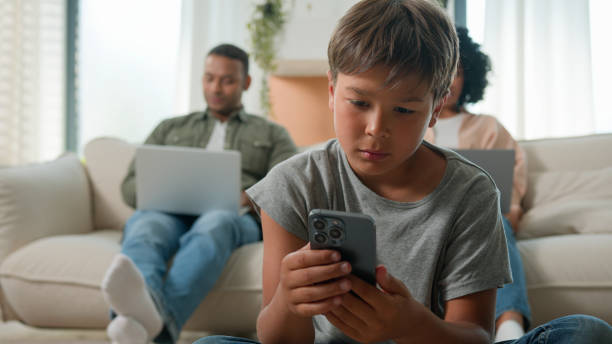
AI Toys and Childhood: Smart Play or Silent Risk?
Technology advancements in today’s world have impacted every area of life, including how and what our children play with. Unlike the dolls we played with as kids, which were simply toys with no interaction, our children now have talking dolls that remember their names, or robots that cheer when they finish a puzzle—a doll that relates with them like a fellow human. It feels fun and exciting—like play has suddenly become “smarter,” almost as if they no longer need a human friend to play with. But hold on! As parents, we must ask ourselves sincere questions:
● Do AI toys really take the place of human kids to play and relate with?
● Can AI toys be chosen as a best friend they can chit-chat with?
● Are AI toys really helping our children grow, or quietly changing the way they develop?
On the positive side, AI toys can boost learning. According to experts, a coding robot can trigger problem-solving skills, while interactive toys may encourage children to practice numbers, letters, or even social cues (Druga, Williams, Breazeal, & Resnick, 2017).
Shy children can also build confidence when they have a “responsive buddy.”
However, the introduction of these AI toys also has negative impacts. Unlike building blocks or drawing, which stretch imagination, AI toys often provide ready-made answers, limiting creativity (Edwards, 2016). Worse still, children may begin to prefer toys that “talk back” instead of interacting with siblings or real friends, limiting opportunities to relate, express feelings, build empathy, and develop real-life social skills (Turkle, 2017).
For balancing, below are Practical Parenting Tips:
● Education: Teach your children the usefulness and limitations of AI toys, making it clear that they are just tools and can never replace real humans.
● Balance play: Mix AI toys with traditional play like outdoor games, puzzles, and crafts.
● Play together: Sit with your child while they use AI toys. Ask questions, encourage storytelling, and guide their learning.
● Limit screen-like toys: Don’t let AI toys replace face-to-face interaction or chores. Encourage children to use their imagination beyond what the toy suggests.
Importantly, practice intentional parenting. AI toys aren’t “bad,” but they must not take the place of creativity, relationships, and real-world experiences. As Proverbs 22:6 reminds us, “Train up a child in the way he should go…”—our role is to guide, teach, and mentor, not hand over the entire responsibility to AI.
The Big Question: Are AI toys teaching our kids valuable skills, or are they quietly stealing opportunities for imagination and real connection?