



































































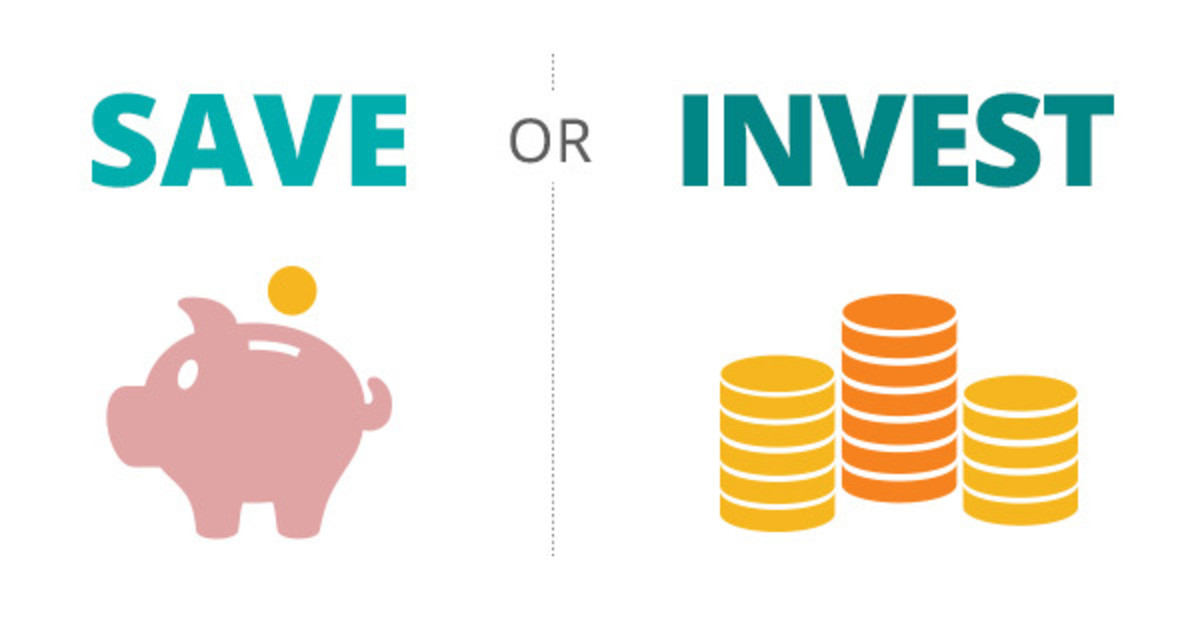
Saving vs. investing is a question many people ask when they begin managing their finances. Understanding saving vs. investing is essential because both play different but equally important roles in achieving financial security. While saving helps you prepare for short-term needs and unexpected expenses, investing focuses on growing your money over the long term. Knowing when to save and when to invest can help you build wealth, avoid unnecessary debt, and reach your financial goals with greater confidence.
What Is Saving?
Saving is the process of setting aside money for future use. The money is usually kept in a savings account or another secure place where it is easily accessible.
People typically save money for:
- Emergency expenses.
- Vacations.
- School fees.
- Buying a car.
- Home improvements.
Saving offers security because your money is readily available whenever you need it. However, savings usually earn lower returns than investments.
What Is Investing?
Investing involves putting your money into assets that have the potential to grow in value over time. Unlike saving, investing carries some level of risk, but it also offers the opportunity to earn higher returns.
Common investment options include:
- Stocks.
- Mutual funds.
- Exchange-Traded Funds (ETFs).
- Government securities.
- Real estate.
Investing is generally best suited for long-term financial goals such as retirement, buying a home, or building wealth.
Should You Save Before You Invest?
In most cases, the answer is yes.
Before investing, it is wise to:
- Build an emergency fund.
- Pay off high-interest debt.
- Create a realistic monthly budget.
- Understand your financial goals.
- Learn the basics of investing.
Having these foundations in place reduces the chances of withdrawing your investments during financial emergencies.
Can You Save and Invest at the Same Time?
Absolutely. Once you have established an emergency fund, you can divide your income between saving and investing.
For example:
- Continue adding to your emergency savings.
- Invest a portion of your monthly income.
- Increase your investment contributions as your income grows.
Balancing both strategies helps you stay financially prepared while allowing your wealth to grow.
Common Mistakes to Avoid
Many people make financial decisions without understanding the difference between saving and investing.
Avoid these common mistakes:
- Investing money you may need soon.
- Keeping all your money in savings for many years.
- Ignoring the effects of inflation.
- Chasing investments that promise unrealistic returns.
- Investing without researching your options.
Saving vs. investing is about understanding when each strategy is most appropriate. Saving provides financial security for short-term needs, while investing helps build long-term wealth. By creating an emergency fund first and then investing consistently, you can enjoy the benefits of both approaches. The right balance between saving and investing will help you achieve financial stability and move closer to your long-term financial goals.