



































































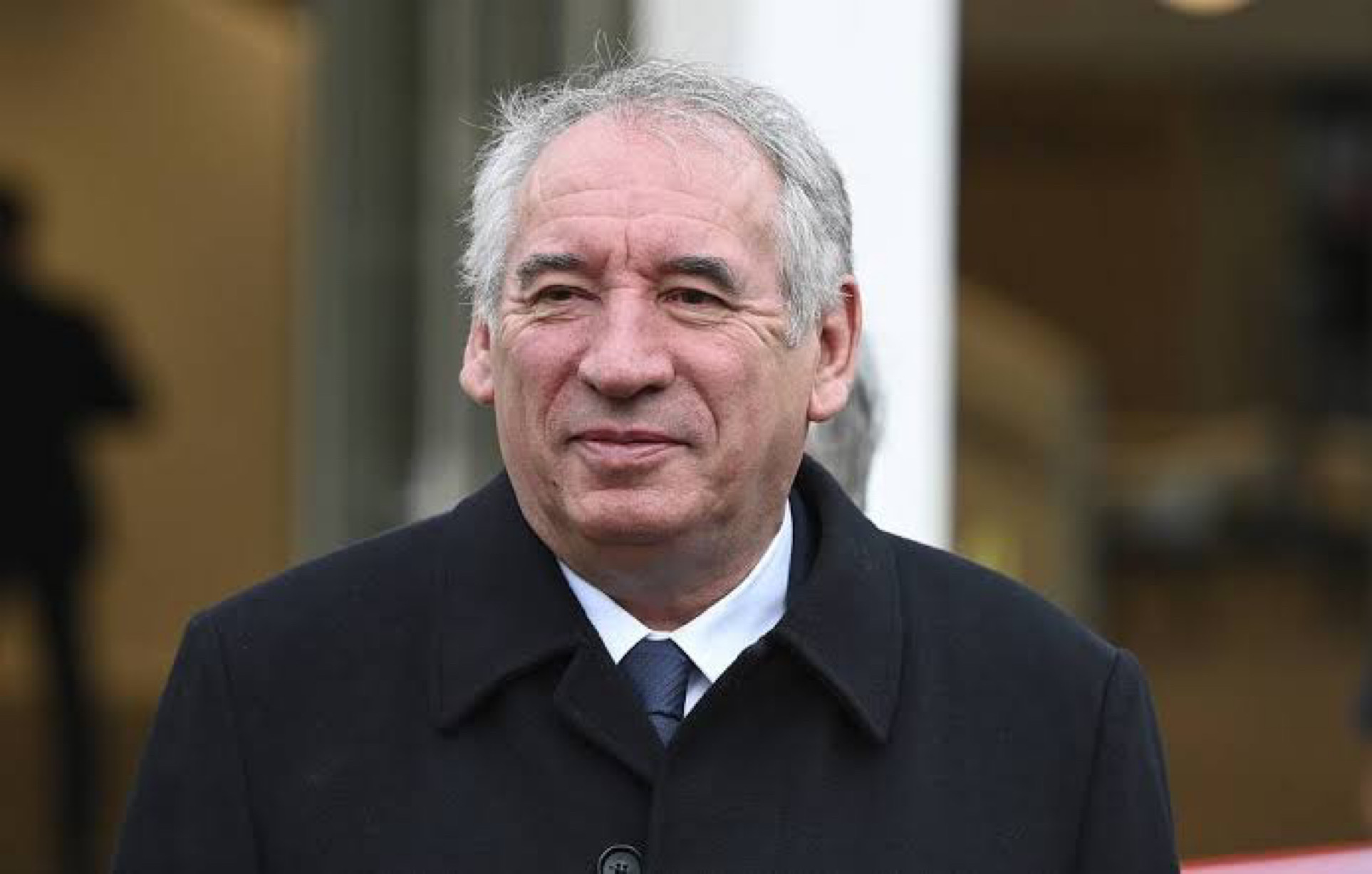
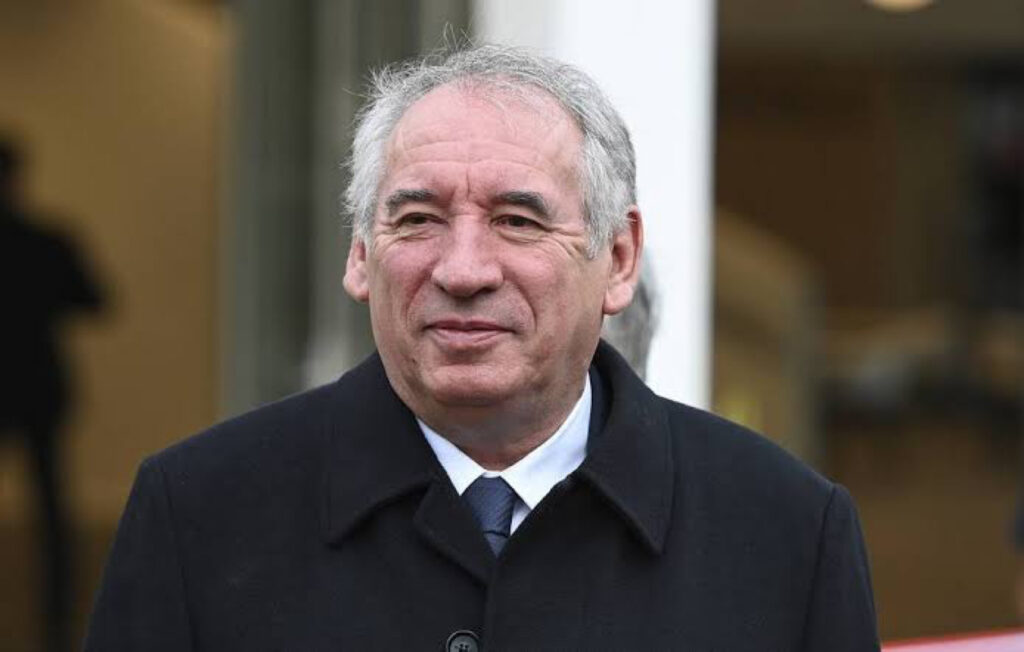
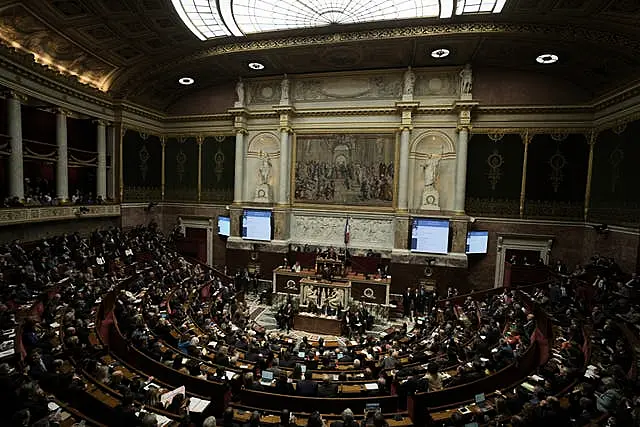
In a significant step to provide stability for his minority government, France’s new prime minister Francois Bayrou has declared that a contentious plan to raise the retirement age from 62 to 64 will be renegotiated.
“I’m choosing to put this subject back on the agenda, with the social partners, for a short time and under transparent conditions,” Mr. Bayrou stated in his first speech to lawmakers at the National Assembly.
As long as funding for the reforms is assured, Mr. Bayrou promised to pursue “a new path of reform, without any totems or taboos, not even the retirement age.”
From January to June 2023, President Emmanuel Macron’s proposal to raise the retirement age from 62 to 64 sparked months of widespread protests that undermined his authority.
One month after being nominated by Mr. Macron, Mr. Bayrou also listed additional high goals, such as important budgetary issues. A budget measure for 2025 must be passed immediately by the prime minister.
An emergency statute was enacted in the wake of the previous government’s fall, allowing the state to raise taxes starting on January 1, cover essential costs, and prevent a shutdown.
However, only a sound budget would be able to lower France’s deficit and finance important expenditures like defenses required amid the conflict in Ukraine or relief promised to irate farmers.
The European Commission, financial markets, and rating agencies are pressuring France to abide by EU regulations restricting debt and preventing France’s borrowing rates from skyrocketing.
The prosperity of the nations that make up the eurozone would be at risk. In 2024, France’s deficit is predicted to amount to 6% of its GDP. On Tuesday, Mr. Bayrou stated that the government’s target deficit for this year is 5.4%, intending to bring it down to 3% by 2029, following EU regulations. He stated, without giving specifics, that “significant spending cuts will be proposed.”
Despite widespread protests, the pension reform was passed into law in April 2023 and has since begun to be implemented progressively.
To reverse the age of 64 and implement special measures for people with long careers and those in hard-working professions, the Socialists encouraged Mr. Bayrou to declare a “suspension” of the reform. Although Mr. Bayrou refrained from making such an announcement on Tuesday, his suggestion to renegotiate the measure seems to be a hand extended to the left.
To prevent the Socialists from backing any future attempt to overthrow the new administration, the new prime minister is trying to negotiate a non-aggression pact with them. Depending on how the negotiations turned out, he proposed lowering the age to 64, which was the most criticized proposal.
“We cannot deteriorate the financial balance” of the pension system, Mr Bayrou insisted. On the other side of the political spectrum, the conservatives have warned against any suspension of the pension changes.
“If we were to repeal the pension reform, the cost would be 3.4 billion euros (£2.8 billion) in 2025 and almost 16 billion (£13.5 billion) in 2032,” the president of the senate Gerard Larcher, a conservative, said.
According to Mr. Bayrou, a three-month negotiation period with a tight deadline for a possible agreement would be the goal of a so-called “conclave” with representatives from employers’ and workers’ unions.
Should they reach a consensus on pension reforms, the measures would become law. Otherwise, he argued, Mr. Macron’s original proposals would be applicable. Mr. Bayrou’s government is based on a precarious agreement between conservative Republicans who, even when combined, lack a parliamentary majority, and Mr. Macron’s centrist supporters.
In a budget dispute, opposition lawmakers from both the left and the extreme right overthrew the previous government, which had only been in power for three months.
The Socialists stated that they are amenable to discussions with Mr. Francois Bayrou this time, provided that they cover the pension reform. But there remains a chance of another vote of no-confidence.
France’s hard-left The unbowed party declared it would launch a motion of no-confidence and declined to engage in negotiations with the government. The far-right doesn’t seem to be inclined to back such a move in the short term, so a vote later this week would have little chance of passing.
However, with greater uncertainty regarding the outcome, the subject might be brought up once more during the upcoming budget debate in parliament. The previous government was overthrown in large part by Marine Le Pen, the far-right leader and Mr. Macron’s most formidable opponent.