





















































EU leaders meet in Brussels to decide whether frozen Russian assets should be loaned to Ukraine amid funding shortfalls.
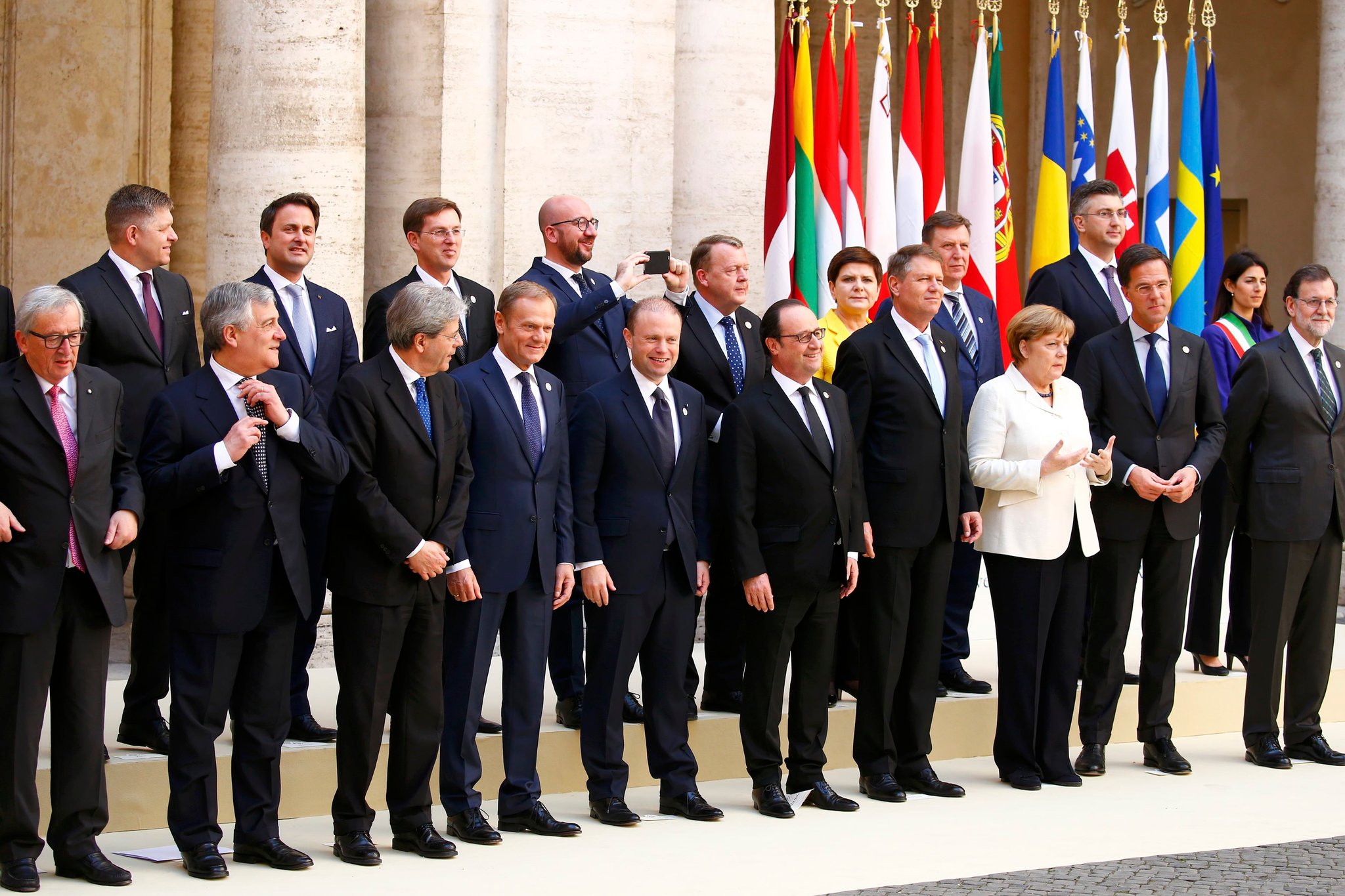
European Union leaders are gathering in Brussels for a high-stakes summit where they must decide whether to loan Ukraine tens of billions of euros from frozen Russian assets to support its military and economic needs.
About €210bn (£185bn; $245bn) of Russian central bank assets are frozen within the EU, most of them held by Belgium-based financial services firm Euroclear. Belgium and several other member states have so far resisted using the funds, citing legal and financial risks.
Without additional funding, Ukrainian officials warn the country’s finances could run dry within months. One European government official said there was cautious optimism that a deal could still be reached, despite deep divisions.
Russia has strongly opposed the plan and has filed a lawsuit against Euroclear in a Moscow court seeking the return of the frozen funds.
The summit comes at a critical moment in the war, with attention focused on Belgian Prime Minister Bart De Wever, who told parliament he had yet to see any proposal that would persuade Belgium to change its position.
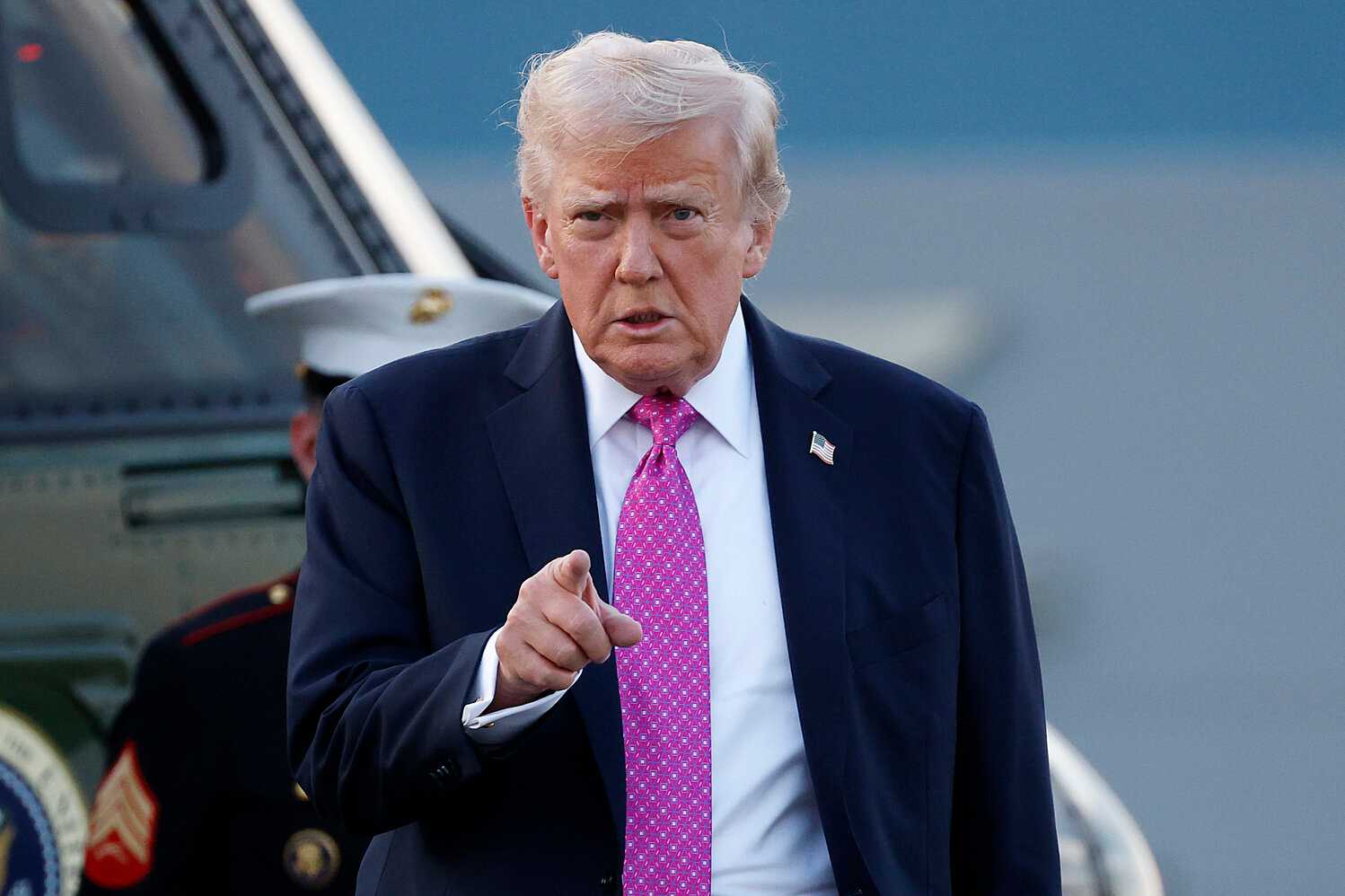
US President Donald Trump has said a peace deal is closer than ever, as American and Russian officials are expected to meet in Miami this weekend for talks on ending the conflict. Russia has not responded publicly to the latest proposals but has rejected any European-led multinational force in Ukraine backed by the US.
European Commission President Ursula von der Leyen has proposed loaning Ukraine about €90bn over the next two years from the frozen Russian assets roughly two-thirds of the estimated funding Kyiv needs through 2026 and 2027. So far, the EU has only transferred interest generated by the assets, not the principal.
“This is crunch time for Ukraine to keep fighting for the next year,” a Finnish government official said, adding that the funding would strengthen Kyiv’s position in peace negotiations.
Germany’s Chancellor Friedrich Merz has been among the strongest advocates for using the assets, saying it would send a clear signal to Moscow that continuing the war is futile.
However, opposition remains strong. Hungary’s Prime Minister Viktor Orban has ruled out supporting any additional EU funding for Ukraine, while Slovakia’s Robert Fico has objected to the assets being used for weapons rather than reconstruction.
The proposal would require backing from roughly two-thirds of EU member states. European Council President António Costa has insisted no decision will be forced on Belgium, stressing the need for consensus.
Concerns have also been raised by Italy, Malta, Bulgaria and the Czech Republic, with Italian Prime Minister Giorgia Meloni saying Rome would only support the move if its legal foundations were “solid.”
Belgium faces particular risks, as ratings agency Fitch has placed Euroclear on negative watch due to potential legal exposure linked to the plan. The worst-case scenario would involve a court ordering Belgium to return the funds to Russia.
EU officials argue the assets would ultimately only be returned if Russia pays reparations to Ukraine, at which point Kyiv would repay the EU loan.
For Ukraine, the decision could shape the course of the war in the coming years, as President Volodymyr Zelenskyprepares to engage EU leaders during the summit.