


























































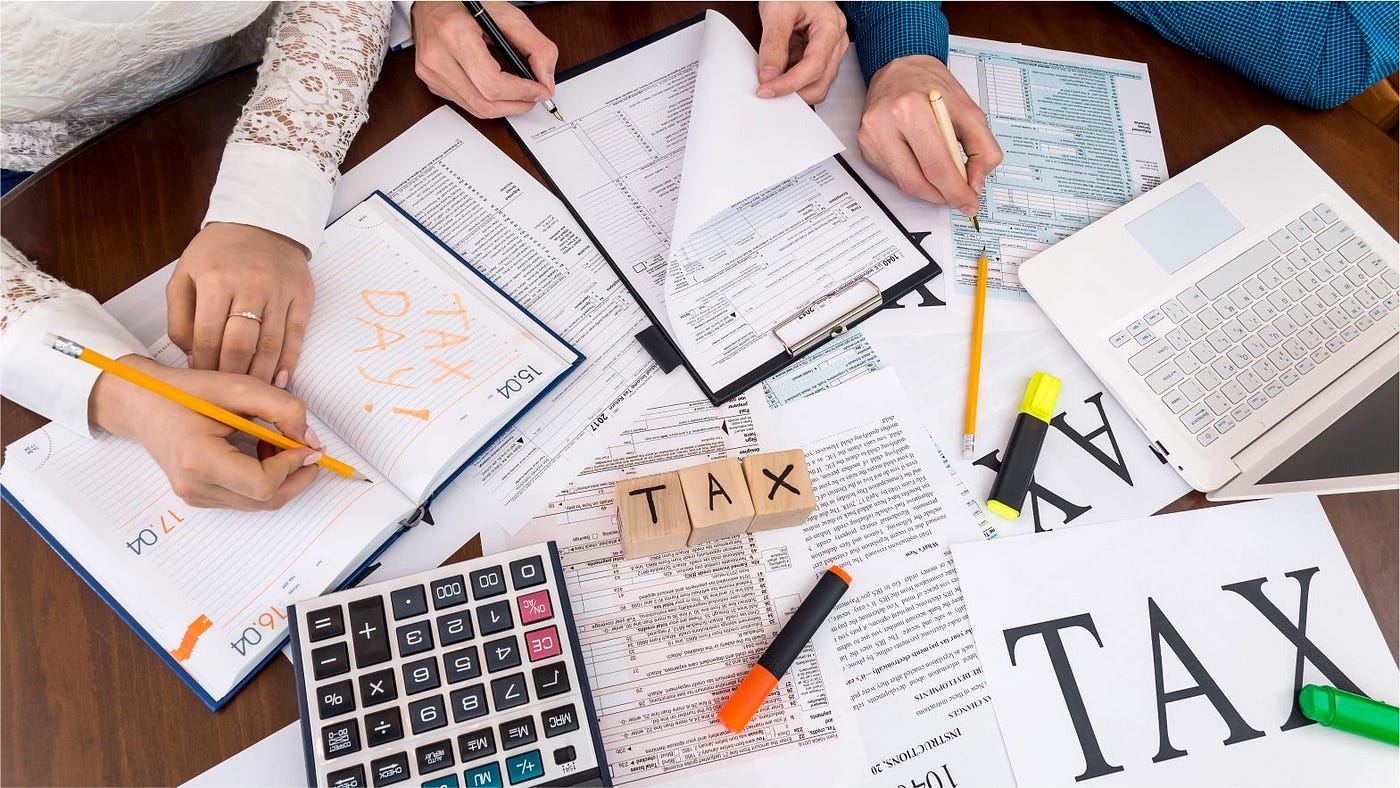
Many small business owners in Nigeria get a headache just hearing the word “Tax.” They worry that the government wants to take all their profit away. But the truth is that Nigerian small business tax compliance is actually a sign that your business is “growing up.” When you pay your taxes and have your papers in order, you become a “formal” business. This makes it much easier to get low-interest loans from the bank or to win big contracts from large companies.
Getting Your TIN Ready
The very first step in Nigerian small business tax compliance is to get your Tax Identification Number, popularly known as a TIN. Think of this as your business’s own National ID card. You cannot even open a proper “Business Account” in a bank without it. Once you have your TIN, you need to know which category you fall into. Many small businesses with a turnover of less than 25 million Naira don’t have to pay Company Income Tax, but you still need to “file” your papers to let the government know you are active.
Keep Business and Family Money Separate
This is where many Nigerian entrepreneurs struggle. If you use the same bank account to buy bread for your children and to buy raw materials for your shop, your tax records will be a mess. The best way to prepare for tax is to have a dedicated bank account only for the business. When the tax officials look at your statements, they should see a clear story of how the business is running. If your personal life is mixed with the business, it becomes very hard to prove what is a real expense and what is just personal spending.
Save Every Single Receipt
Tax is calculated on your “profit,” not your total “sales.” If you sell goods worth 1 million Naira but you spent 800,000 Naira on stock, transport, and electricity, you should only be taxed on the 200,000 Naira profit. But here is the catch: you must prove you spent that 800,000 Naira! This is why you must keep every receipt and invoice in a safe file. These papers are your “evidence.”
By staying organized and being honest with your records, you will find that tax is not a monster. It is just a part of doing business correctly and building a legacy.