

































































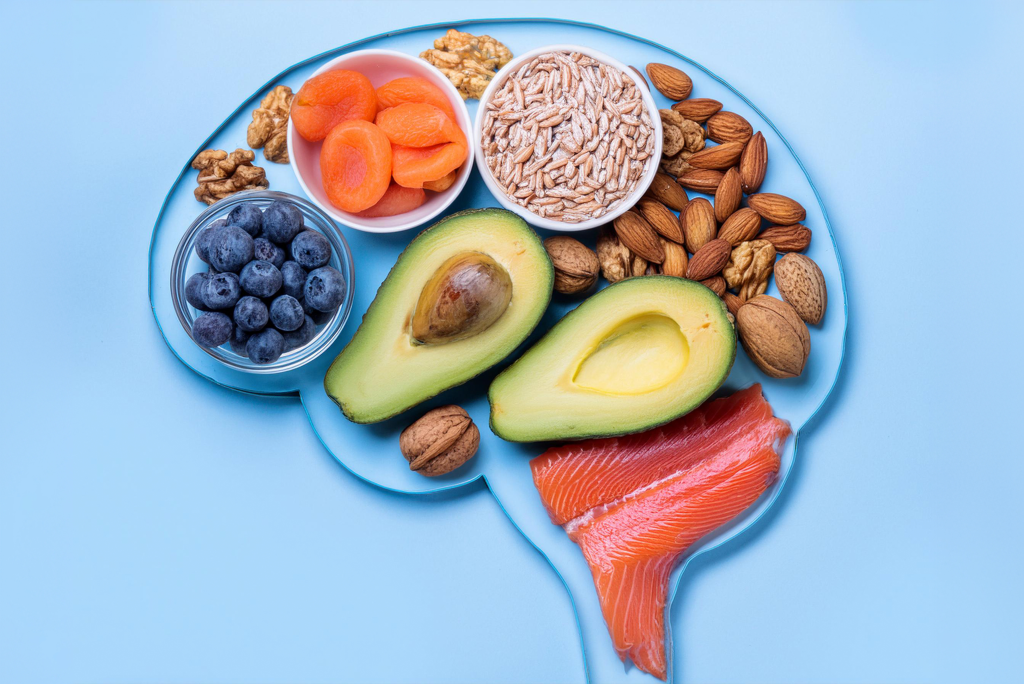
Have you ever noticed that your mood changes depending on what you eat? That is because of the mood food connection. The mood food connection explains how your meals affect your emotions, energy levels, and mental clarity. Many people think food only affects weight or physical health, but the mood food connection shows that food also plays a big role in how you feel every day. When you understand this, you begin to see that your plate influences your thoughts, focus, and even stress levels.
How Food Affects Your Brain
Your brain needs nutrients to function properly. Just like a car needs fuel, your brain needs vitamins, minerals, healthy fats, and proteins.
When you eat balanced meals, your brain produces chemicals called neurotransmitters. These chemicals help regulate mood, sleep, and motivation. For example, serotonin is known as the “feel-good” chemical, and it is influenced by what you eat. This is a key part of the mood food connection.
If your diet lacks nutrients, your brain may struggle to regulate emotions properly.
Sugar and Mood Swings
One of the clearest examples of the mood food connection is sugar. Eating too much sugar can give you a quick burst of energy. But soon after, your blood sugar drops. This crash can leave you feeling tired, irritable, or anxious.
This cycle explains why sugary snacks may feel comforting at first but leave you feeling worse later. Stable blood sugar levels help keep your mood steady.
The Role of Gut Health
Your gut and brain are closely linked. In fact, many people call the gut the “second brain.” A large amount of serotonin is produced in your digestive system.
When your gut is healthy, it supports emotional balance. Foods rich in fiber, fruits, vegetables, and fermented items help support good bacteria in the gut. This strengthens the mood food connection and supports mental well-being.
On the other hand, highly processed foods can disturb this balance and affect how you feel.
Dehydration and Low Mood
Sometimes feeling tired or irritable has nothing to do with stress. It may be dehydration. Even mild dehydration can affect concentration and mood.
Drinking enough water is a simple way to support the mood food connection. Proper hydration keeps your brain alert and balanced.
Emotional Eating
The mood food connection also works the other way around. Your emotions can influence what you eat. Stress, boredom, or sadness can lead to cravings for comfort food.
Becoming aware of this pattern helps you make more mindful choices. Instead of judging yourself, notice how certain foods make you feel afterward.
The mood food connection shows that food is more than fuel. It directly impacts your emotional health. Balanced meals, proper hydration, and nutrient-rich foods support both your body and mind.
When you pay attention to the mood food connection, you gain a powerful tool for improving your energy, focus, and overall well-being. Small changes in your diet can create noticeable changes in your