
































































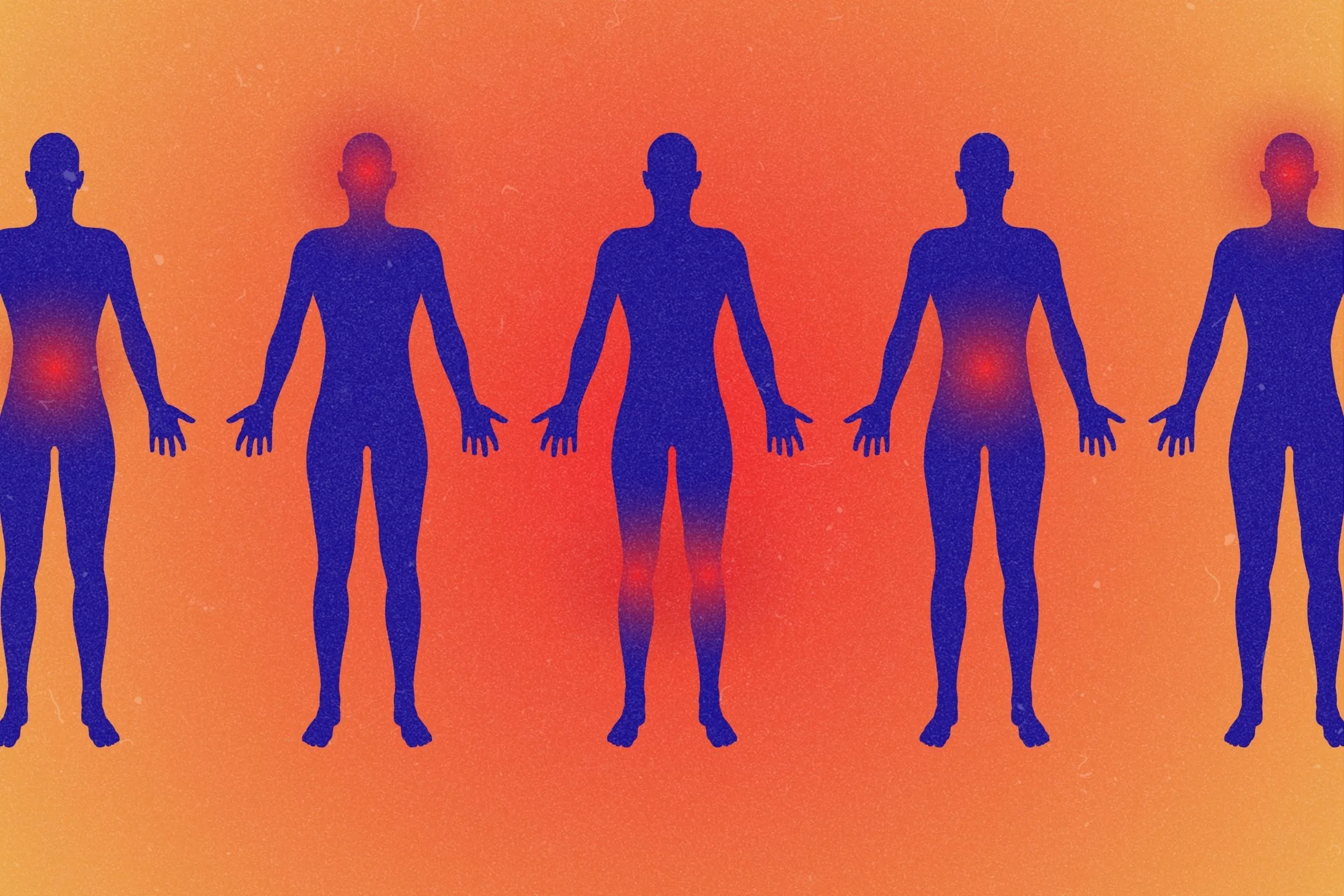
How your body stores stress is something many people don’t realize until it starts affecting their health. You may think stress only lives in your mind, but your body quietly carries it too. Even when life feels “normal,” your muscles, digestion, sleep, and energy levels may be holding onto stress signals. Understanding how your body stores stress can help you notice early signs and take better care of yourself before burnout sets in.
Stress Doesn’t Always Feel Obvious
Stress is often imagined as panic or anxiety, but that’s not always how it shows up. Sometimes, how your body stores stress looks like constant tiredness, random aches, or feeling tense for no clear reason. You might still be functioning, working, and socializing, but your body is working overtime behind the scenes.
When stress becomes frequent, the body stays in “alert mode.” This makes it harder to fully relax, even during rest.
Where Stress Lives in the Body
How your body stores stress often depends on your habits and lifestyle. Common areas include:
-
Muscles: Tight shoulders, neck pain, jaw clenching, or back stiffness
-
Stomach: Bloating, nausea, constipation, or loss of appetite
-
Chest: Shallow breathing or a heavy feeling
-
Head: Tension headaches or brain fog
These symptoms aren’t random. They are physical reactions to emotional pressure.
Stress and the Nervous System
Your nervous system controls how your body responds to danger or pressure. When stress is constant, the nervous system doesn’t get a chance to reset. This is a key part of how your body stores stress.
Over time, your body starts reacting strongly to small issues. You may feel easily irritated, restless, or overwhelmed by simple tasks. This is not weakness—it’s your body asking for relief.
Why You Might Not Notice It
Many people ignore stress signals because they seem normal. Being busy, tired, or tense feels like part of modern life. But how your body stores stress becomes harmful when these signs are constant.
You may normalize poor sleep, body pain, or emotional numbness without realizing they are connected.
Simple Ways to Release Stored Stress
The good news is that the body can release stress when given the chance. Small habits can make a big difference:
-
Slow, deep breathing
-
Gentle stretching or walking
-
Proper sleep routines
-
Reducing constant screen time
-
Quiet moments without pressure
These actions help reset the nervous system and reduce how your body stores stress over time.
Listening to Your Body Matters
Your body communicates before it breaks down. Learning how your body stores stress helps you respond with care instead of pushing through exhaustion. Stress isn’t always loud—but your body always remembers. Paying attention early is one of the kindest things you can do for your overall well-being.