


































































Fitness used to be about feeling healthy, having energy, and enjoying movement. Today, many people focus more on metrics like speed, weight lifted, or body measurements. Understanding how fitness became performance-based can help you see why modern exercise often feels like a competition, even for beginners.
The Shift from Health to Metrics
In the past, fitness was mostly about staying active and strong enough for daily life. People walked, farmed, and played, building strength naturally. Today, gyms, apps, and social media encourage tracking numbers: how fast you run, how many reps you do, or how much weight you lose. This change explains how fitness became performance-based — results are measured, and success is defined by numbers.
Social Media and the Pressure to Perform
Platforms like Instagram and TikTok show polished workout routines, record-breaking lifts, and perfectly sculpted bodies. While these can be motivating, they also make many people feel like fitness is about outperforming others. This is a big reason how fitness became performance-based — social comparison often replaces personal enjoyment.
Competitive Fitness Culture
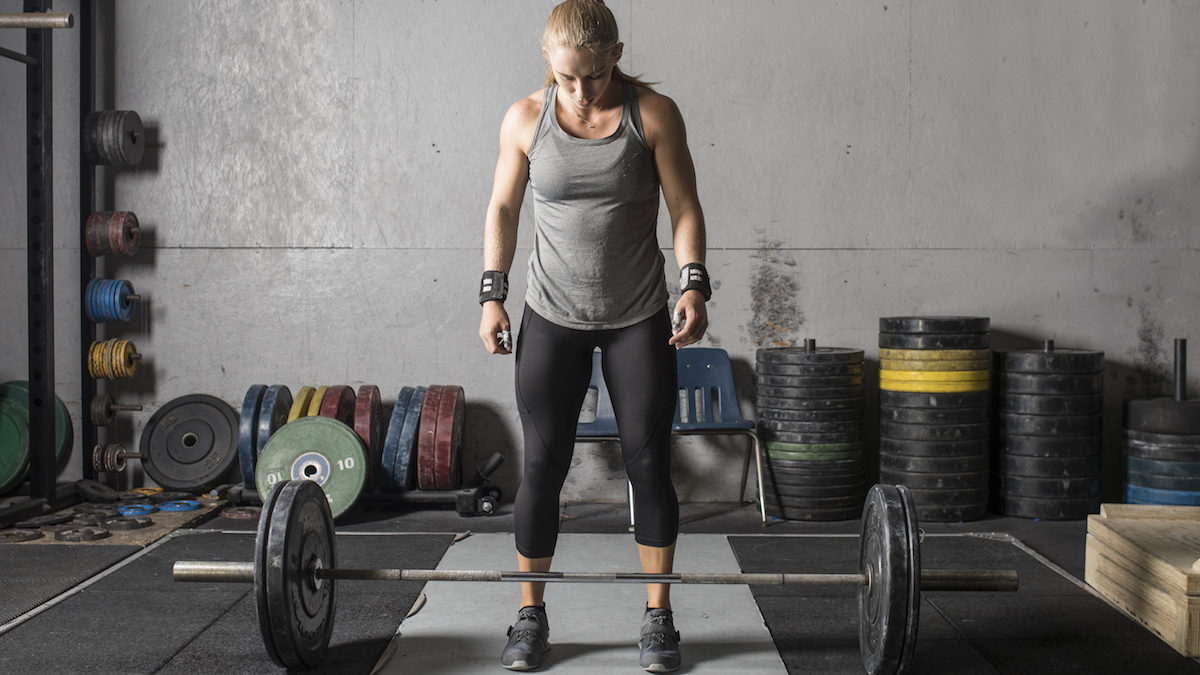
Fitness competitions, CrossFit challenges, and online leaderboards reinforce the performance mindset. People are praised for hitting personal bests or achieving extreme goals, while average efforts may feel less valued. Understanding how fitness became performance-based helps explain why some gyms and programs feel more like a competition than a health routine.
The Impact on Motivation and Enjoyment
When fitness becomes performance-based, enjoyment can take a back seat. Exercise may feel stressful, and small victories can go unnoticed. People may push themselves to extremes, chasing numbers instead of well-being. Recognizing how fitness became performance-based can help you shift focus back to personal growth, energy, and health.
Finding Balance Between Performance and Health
Performance tracking isn’t inherently bad — it can help you improve. The key is balance. Celebrate progress without letting numbers define your worth. Focus on movement that feels good, builds strength, and supports daily life. This approach reminds us that how fitness became performance-based doesn’t have to control your relationship with exercise.
Fitness can be fun, energizing, and personal, not just about lifting heavier, running faster, or comparing yourself to others. By focusing on health, balance, and personal growth, exercise becomes a tool for life — not just performance.