





























































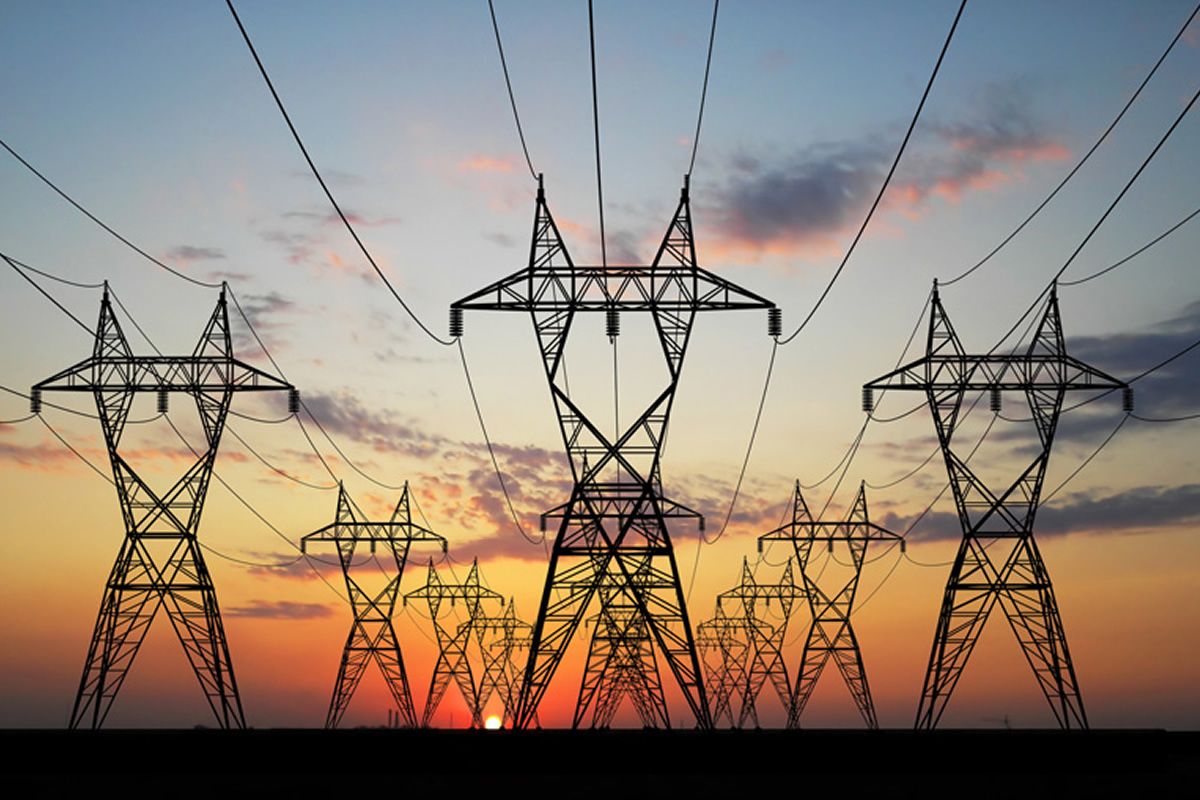
Faster permitting and approval processes were identified as another critical factor, with the companies arguing that delays in regulatory clearances continue to slow down renewable energy deployment and broader electrification projects.
At the same time, they warned that continued volatility in global energy markets could undermine progress, leading to higher operating costs for businesses, reduced competitiveness, and delayed investment decisions across the sector.
The intervention comes as governments and private sector players reassess long-term energy strategies in the wake of recent commodity price spikes and ongoing supply chain disruptions that have reshaped global energy security priorities.
The call for reforms comes against the backdrop of expanding international efforts to accelerate energy access in Africa.
The World Bank and the African Development Bank (AfDB) have previously announced that the Mission 300 initiative, aimed at providing electricity to 300 million Africans by 2030, has already connected more than 50 million people across 40 countries, nearly two years after its launch. World Bank African Development Bank Mission 300
In February 2026, Mission 300 disclosed plans to extend household electricity access to 17.5 million Nigerians as part of its wider electrification strategy.
A month earlier, the AfDB approved a $3.9 million two-year project aimed at supporting Nigeria and 12 other African countries in implementing energy compacts under the initiative.
In January, the World Bank also approved $50 million to scale up solar-powered agricultural solutions across Nigeria and five other African countries, targeting improved productivity, reduced post-harvest losses, and expanded access to clean energy.