















































African governments are courting investors to process minerals locally, but unreliable and expensive electricity threatens industrial ambitions across the continent.
African countries are stepping up efforts to process more of their mineral resources at home, but high electricity costs and unreliable power supplies are threatening plans to attract investment and expand industrial production.
Governments from Guinea to Zimbabwe are introducing export restrictions, tax incentives and access to mineral deposits to encourage companies to build refineries and smelters locally rather than export raw materials.
Investors, including the US International Development Finance Corporation and Africa Finance Corporation, are backing processing projects and signalling plans to increase their involvement. However, the decline of South Africa’s ferrochrome and steel industries illustrates the difficulties of running energy-intensive businesses where power is expensive or unreliable.
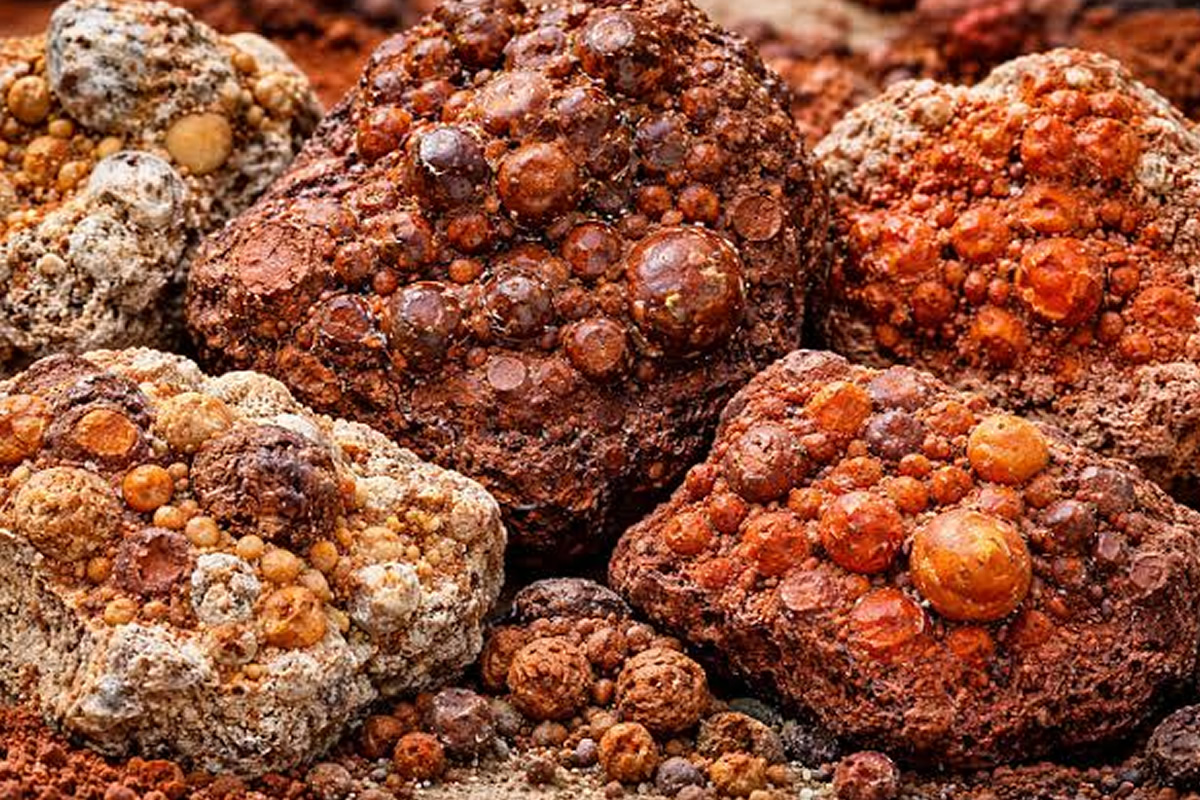
Guinea, which recently overtook Australia as the world’s largest bauxite producer and exporter, is among the countries pursuing a more ambitious approach to mineral processing. Most of its bauxite exports currently go to China.
Bauxite is used to produce alumina, a key ingredient in aluminium, which is widely used in transport, construction and packaging.
Daouda Diakite, a senior adviser to Guinea’s mines minister, said three alumina refineries were under construction. The government aims to have five operating by 2030, with combined annual production capacity of between seven million and eight million tonnes, before moving towards investment in aluminium smelters.
Unlike Indonesia, which attracted billions of dollars in investment in domestic smelting and battery production after restricting exports of unprocessed nickel, Guinea is pursuing a different strategy. It wants to limit bauxite exports to prevent excess supply from pushing prices down, although the proposed restrictions have not yet been introduced.
Diakite said companies seeking access to Guinea’s bauxite would also be encouraged to invest in smelters or railways. Mining rights and certain tax holidays would be offered as incentives.
The country is also accelerating plans for iron ore pellet plants, with steel production identified as a subsequent step.
“The next step will be the steel (production),” Diakite said on the sidelines of the African Mining Week conference in Cape Town last week.
But Guinea’s electricity supply remains a major obstacle. The country generates about 1,000 megawatts, largely from hydropower, Diakite said. It exports electricity to Senegal, Gambia and Guinea-Bissau during the rainy season, which runs from around April or May to November, but imports power from Ivory Coast or Senegal during drier months.
Guinea needs between 5,000 MW and 10,000 MW to support industrialisation, including its planned aluminium smelters, he said.
“The main issue is infrastructure and energy, mostly energy,” Diakite said. “We need sustainable and stable energy … We are looking for investment in all economically viable energy solutions, including gas, coal, and nuclear.”
Although Guinea has no coal reserves, Diakite suggested that ships arriving to load bauxite could collect coal in South Africa or Mozambique before continuing to Guinea.
South Africa’s struggling ferrochrome industry demonstrates the consequences of failing to maintain affordable power. Dozens of smelters have closed in recent years, largely because electricity costs have risen roughly tenfold since 2008. Fewer than a dozen of the country’s 66 ferrochrome smelters remain operational.
“The number one lesson is how important energy supply reliability and affordability are to industrialisation,” said Mzila Mthenjane, chief executive of the Minerals Council South Africa.
High electricity costs have made South African ferroalloys less competitive against Chinese production. While South Africa’s processing industry struggled, China expanded its refining capacity alongside the development of cheaper power supplies, becoming the world’s leading refining hub.
South Africa holds more than 70 per cent of the world’s known chrome reserves, yet China remains the largest ferrochrome producer.
“Now we have to compete with that,” Mthenjane said.
Elsewhere in the region, drought-related electricity shortages forced Australian diversified miner South32 to place its Mozambique aluminium plant on care and maintenance this year.
Mohamed Zada, Egypt’s deputy minister for strategic industries, said investors considering industrial projects needed four key conditions: reliable access to raw materials, affordable electricity, stable policies and committed buyers.
“We cannot focus on one and ignore the four pillars that are very important to be moving together,” Zada told delegates at the mining conference.
Access to finance is another major consideration, according to Franklin Edochie, deputy director and head of mining at Africa Finance Corporation, which supports development and infrastructure projects across the continent.
“Energy is one of them; feedstock and capital are another one because when we talk about value-added products, you’re talking about multi-billion dollar projects,” Edochie said.
“We produce very high-quality products on the continent … we always have buyers.”