



































































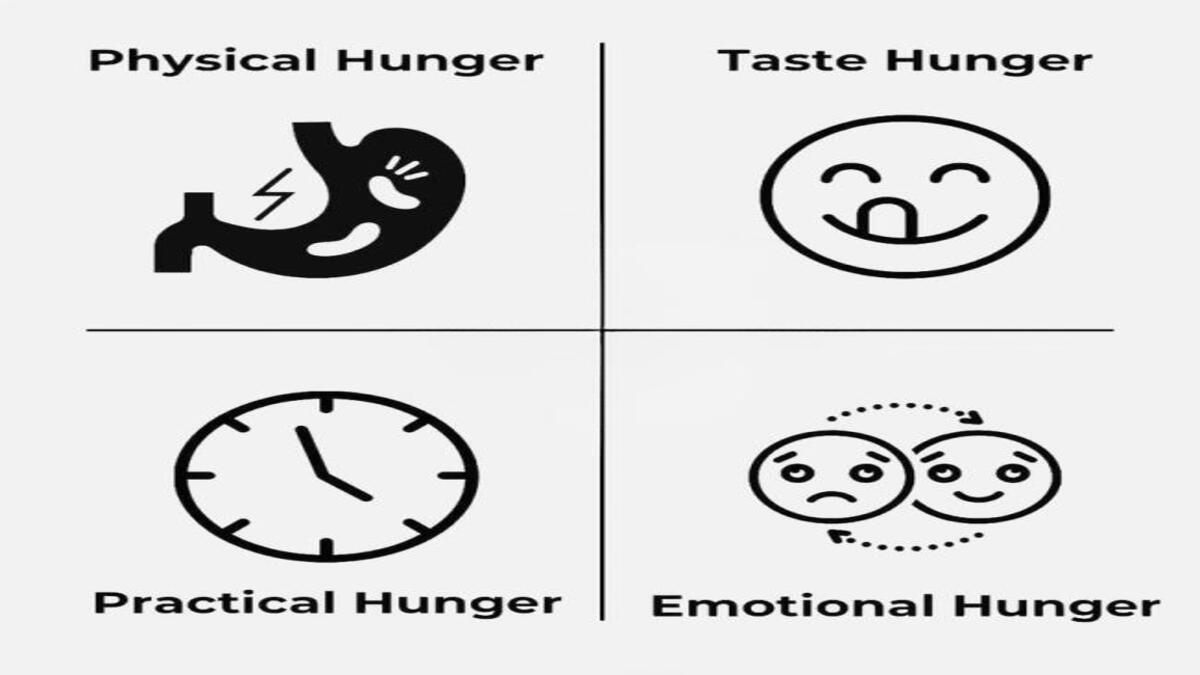
We have all been there: standing in front of the open refrigerator at 10:00 PM, not because our stomach is growling, but because we had a grueling day. Understanding the nuances between identifying emotional eating triggers and true physical need is essential for a healthy relationship with food. Physical hunger is a biological requirement for fuel, but emotional hunger is a psychological search for comfort, distraction, or a way to numb uncomfortable feelings.
The Speed of the Craving
One of the clearest ways to tell the difference is how the hunger develops. Physical hunger is patient; it builds gradually over time. You might hear a slight rumble in your stomach or feel a slow dip in energy. Emotional hunger, however, hits like a tidal wave. It is sudden, urgent, and often demands a very specific food—usually something high in fat or sugar. If you find yourself thinking, “I must have a chocolate bar right now,” you are likely dealing with an emotional impulse rather than a nutritional deficit.
Where You Feel the Hunger
When you are physically hungry, you feel it in your body—specifically in your stomach. When you are emotionally hungry, you feel it “above the neck.” It’s a mental fixation or a “mouth hunger” that persists even if your stomach is technically full. By identifying emotional eating triggers, such as boredom, loneliness, or work-related anxiety, you can see that the “hunger” is actually a request for an emotional release. If a crisp apple doesn’t sound appealing, but a bag of chips does, your brain is looking for a dopamine hit, not vitamins.
Breaking the Numbing Cycle
Emotional eating often leads to a “food trance” where you consume large amounts without actually tasting the food. Afterward, you likely feel guilt or shame, which unfortunately triggers more emotional hunger. To break this, try the “Ten-Minute Rule.” When a sudden craving hits, acknowledge the emotion behind it. Are you tired? Stressed? Sad? Wait ten minutes and engage in a non-food activity like a quick walk or a phone call to a friend. Often, once the emotional wave passes, the “hunger” disappears with it. By learning to feed your feelings with self-care instead of snacks, you reclaim control over your body’s true needs.