






























































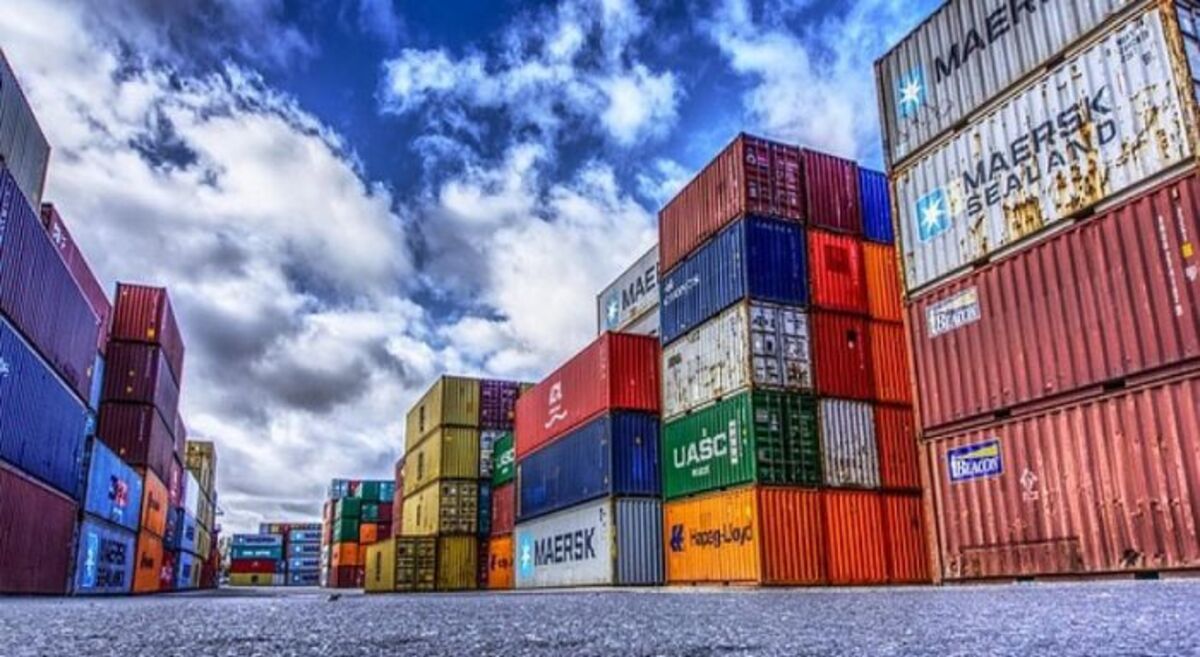
Have you ever wondered why the price of a loaf of bread or a bottle of vegetable oil goes up even when the rain falls and the sun shines as usual? A huge part of the reason is the impact of import costs on Nigeria. Because our country relies heavily on bringing in things from abroad—like raw materials, machinery, and even food—anything that happens at the borders or in the international market hits us directly in our local markets.
The Dollar and Your Pocket
The biggest factor is the “Exchange Rate.” When we buy things from China, America, or Europe, we usually pay in Dollars. If the Naira becomes weak, it means a Nigerian businessman needs more Naira to buy the same amount of Dollars. For example, if a bag of flour costs 10 Dollars, and the exchange rate goes up, the importer has to spend much more Naira to bring that bag home. To avoid losing money, the importer will increase the price for the shop owners, and the shop owners will increase the price for you.
Clearing at the Port and Transport
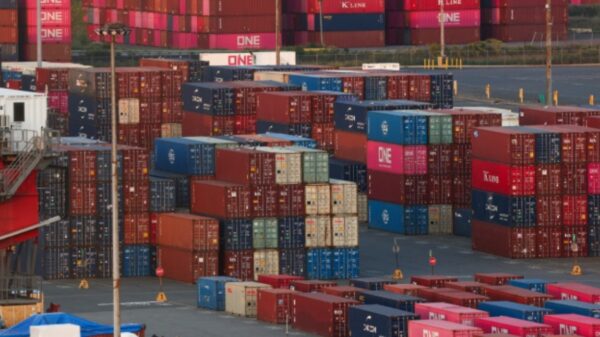
Bringing goods into Nigeria isn’t just about buying them; it’s about “landing” them. There are many fees at the sea ports, like customs duties and clearing charges. If these fees go up, the price of the goods must also go up. Once the goods are cleared, they need to be moved across the country. Because we rely on trucks, the high price of diesel and the cost of maintaining vehicles on rough roads add more to the final price. Every time a truck driver pays for fuel, a little bit of that cost is added to the price of the goods he is carrying.
Why “Local” Goods Still Get Expensive
You might ask, “Why is my local bread expensive when the baker is in my street?” The answer is that the impact of import costs on Nigeria reaches everywhere. The baker uses flour made from imported wheat, sugar that came from abroad, and a generator that was made in another country. Even the yeast and the plastic bag for the bread might be imported. This shows that until we can produce more of these things ourselves, the prices in our local shops will continue to dance to the tune of international trade and the value of our Naira.