




























































Uganda’s Ebola outbreak has doubled in size in less than a week, with health authorities confirming three new cases on Saturday, May 23, 2026. The latest infections bring the country’s total to five since the first case was detected on May 15. Officials identified the patients as a Ugandan driver, a Ugandan health worker, and a Congolese woman, signaling that cross-border transmission is now a major concern.
The new cases emerged just one day after the World Health Organization elevated the Ebola risk in neighboring Democratic Republic of Congo to “very high.” WHO maintained that the global risk remains low, but warned that the regional threat across Central Africa is now “high” due to the outbreak’s spread into volatile border areas.
According to Uganda’s Ministry of Health, the infected driver had transported one of the first Congolese patients into Uganda. The health worker contracted the virus while treating that same patient in Kampala. The third case involves a Congolese woman who was treated for abdominal pains in Kampala on May 14, discharged in “good condition,” then tested positive after returning to the DRC.
All three Ugandan patients are alive and under medical care. The ministry said contact tracing is underway and all individuals linked to the confirmed cases are being closely monitored to prevent further spread. Uganda suspended all public transport to the DRC on Thursday after the initial cases involving Congolese nationals were confirmed.
The outbreak is being driven by the Bundibugyo strain of Ebola, a less common variant for which there are currently no approved vaccines or treatments. Ebola spreads through direct contact with bodily fluids and can cause severe bleeding and organ failure. WHO reports 82 confirmed cases and 7 deaths in the DRC, with hundreds more suspected.
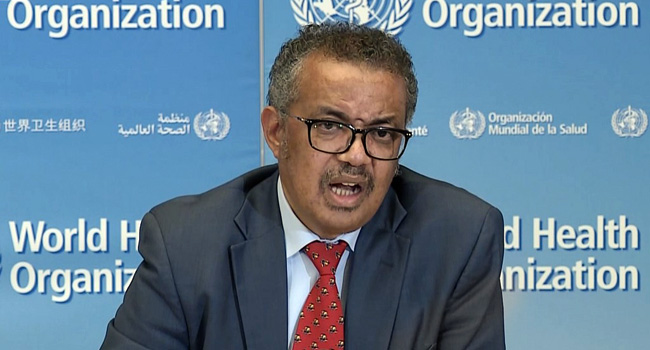
WHO Director-General Tedros Adhanom Ghebreyesus described the situation in the DRC as “especially challenging,” noting that health teams are working in remote, insecure areas to track the virus and identify contacts. The epicenter lies in eastern DRC’s Ituri and South Kivu provinces, regions plagued by decades of armed conflict and weak state presence.
Experts believe the Bundibugyo strain circulated undetected for some time before the current surge. With the virus now spilling across Uganda’s border and into areas controlled by armed groups like M23, health responders face an uphill battle. The outbreak underscores the danger Ebola poses in conflict zones, where containment efforts are often delayed and resources are scarce.