

















































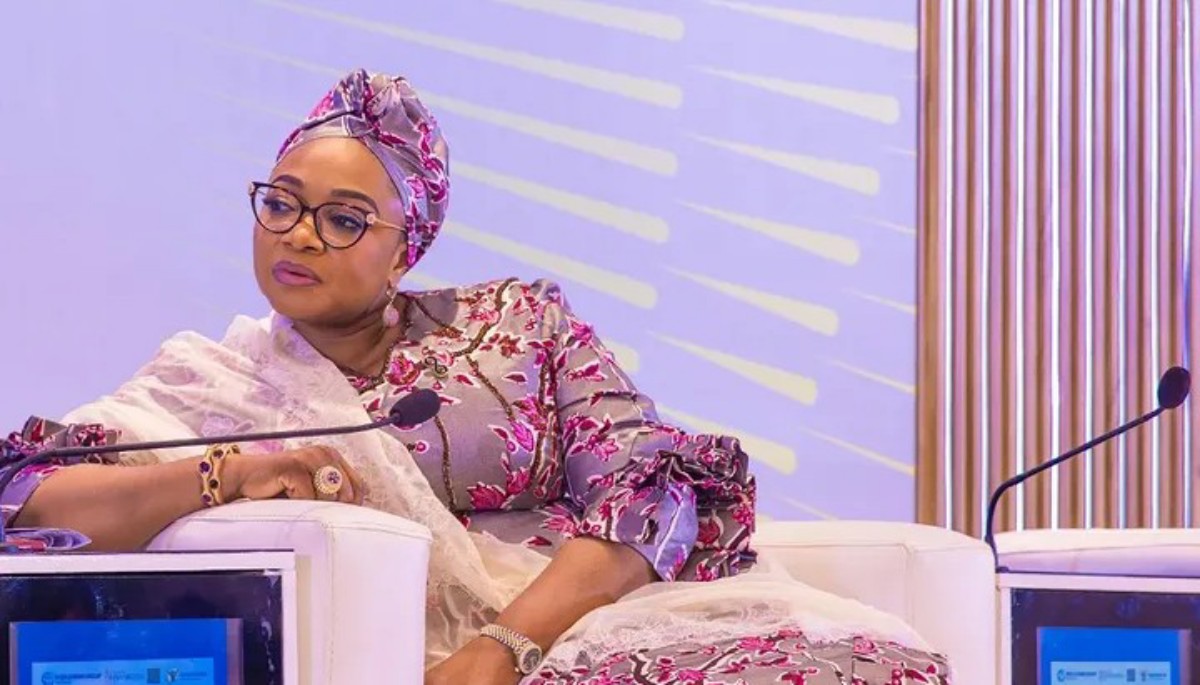
The Federal Government, in collaboration with the African Development Bank and UN Women, on Wednesday inaugurated the Nigeria Gender Profile and Roadmap to Equality 2030 to address gender disparities.
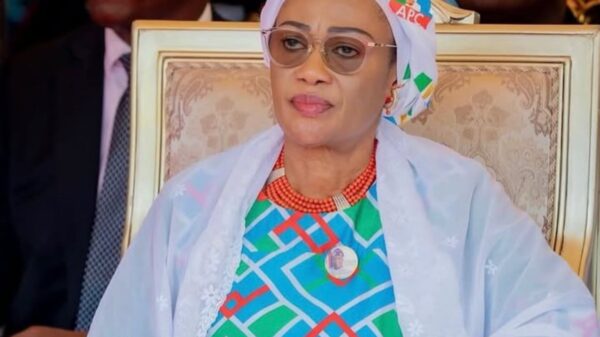
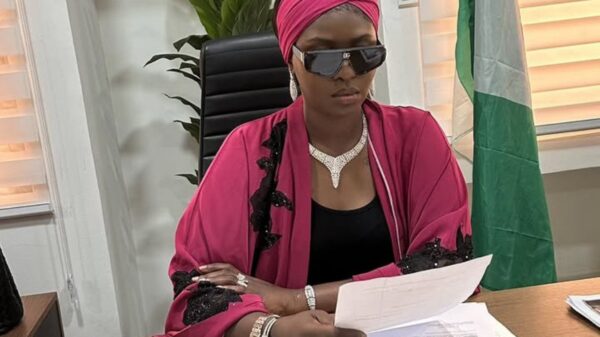
The Minister of Women Affairs and Social Development, Imaan Sulaiman-Ibrahim, said the document provides an evidence-based assessment of gender equality and a framework for achieving national targets by 2030.
She said the profile serves two purposes: presenting an honest picture of the current state of gender equality in Nigeria and outlining practical steps towards achieving national commitments.
Sulaiman-Ibrahim described gender equality as a strategic investment in national development, emphasising that advancing equal opportunities for women and girls would strengthen families, communities and the economy.
“Gender equality is not a concession; it is a sound investment in the strength of our nation.
“When women and girls enjoy equal access to education, finance, leadership and security, families are more stable, communities are more resilient and the economy grows,” she said.
The minister said the roadmap, developed with support from AfDB and UN Women, offers a comprehensive assessment of gender disparities in Nigeria and outlines priority actions for addressing them.
She added that the government was already supporting implementation through initiatives, including the Renewed Hope Social Impact Interventions and the Nigeria for Women Programme, which she said had reached more than 560,000 women.
Earlier, Abdul Kamara, Acting Vice President, Regional Development, Integration and Business Delivery, and Director-General for Nigeria, African Development Bank Group, described gender equality as an economic imperative.
“Gender equality is not a social objective. It is an economic imperative.
“Nigeria cannot afford to leave half of its population behind,” he said.
Kamara said persistent inequalities in education, finance, employment and leadership continued to constrain inclusive growth and sustainable development, limiting the country’s ability to maximise its economic potential.
According to him, closing gender gaps could unlock between two and three per cent of Nigeria’s Gross Domestic Product annually, creating significant opportunities for economic transformation.
“This is not marginal. This is transformational,” he said.
Kamara said the roadmap provides policymakers, investors and development partners with a practical framework for advancing inclusive and sustainable development, emphasising that implementation remains the critical challenge.
“The challenge is no longer about commitments. It is about implementation at scale,” he said.
He added that empowering women as workers, entrepreneurs, leaders and innovators would make Nigeria more prosperous, resilient and competitive in an increasingly globalised economy.
“Gender equality is not only the right thing to do; it is the smartest investment Nigeria can make for its future,” he said.
Also speaking, the UN Women Representative to Nigeria and ECOWAS, Beatrice Eyong, represented by Mr Dama Ghimire, said persistent inequalities continue to limit Nigeria’s development potential and economic progress.
Eyong said women remain concentrated in lower-income and informal sectors despite their significant contributions to economic activities, while representation in political leadership and decision-making positions remains low.
“Gender equality is not a standalone agenda. It is the thread that runs across economic transformation, democratic governance, human capital development, climate resilience and sustainable peace.
“When gender equality advances, development accelerates,” she said.
The UN representative said the roadmap reflects a shared responsibility extending beyond the Ministry of Women Affairs to governments, development institutions, the private sector and civil society organisations.
“This is not a roadmap for the Ministry of Women Affairs alone.
“It is a roadmap for all ministries, federal and state governments, development finance institutions, the private sector and civil society,” the representative said.
According to her, the inauguration marks the beginning of a new phase focused on implementation, accountability and measurable results towards achieving gender equality commitments and development objectives.
“Today’s inauguration is not the end of a process. It is the beginning of a new phase of action,” she said.
The News Agency of Nigeria reports that the roadmap is expected to guide implementation of gender equality commitments under the Sustainable Development Goals and the National Development Plan 2026–2030.
NAN
Live with Purpose, Love with Passion. Remember to be happy
One ❤️❤️❤️
Rose Ajieh