




























































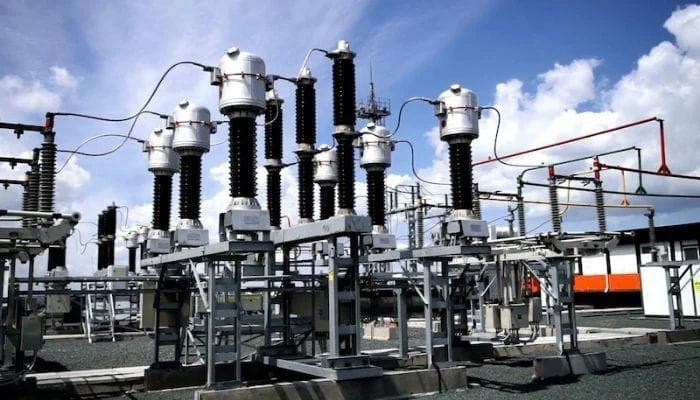
Nigeria’s fragile power grid suffered another major setback on Monday afternoon, October 19, as electricity generation collapsed from 3,840 megawatts to just 476.70MW, plunging several parts of the country into darkness.
Data from the Nigerian Independent System Operator (NISO) portal, http://niggrid.org, showed generation was stable at around 3,840MW as of 7:00 a.m., before nosediving sharply around 12:40 p.m.
By 1:00 p.m., over 3,300MW had been wiped off the grid. Most of the country’s major power plants — including Egbin, Jebba, Kainji, Shiroro and several gas-fired stations — were reporting zero output.
Only three plants — Odukpani NIPP, Omotosho and Sapele — were barely holding the grid with minimal generation, according to NISO data.
As of 1:23 p.m., real-time generation hovered around 480MW, with only five GenCos still on the grid.
The crash triggered immediate blackouts, with consumers across Lagos, Abuja and other cities taking to social media between 12:45 p.m. and 1:20 p.m. to complain of sudden outages.
The collapse comes despite the Federal Government’s recent approval of new Eastern and Western super grids to end recurring failures.
In a twist, the Nigerian Independent System Operator denied a national grid collapse.
A senior NISO official, speaking anonymously, said: “There is no disturbance at the moment. Probably if something is happening, maybe it is a local issue, but there is nothing on the grid.”
He argued that local tripping should not be mistaken for a system-wide collapse, adding that a team had been directed to carry out a quick system check.
Monday’s incident adds to a long list of grid disturbances recorded this year, again raising fresh questions about the stability and reliability of electricity supply for homes and businesses.