




































































At the launch, the Chief Judge of the Federal High Court, John Terhemba Tsoho, declared the judiciary was ending what he described as the “era of paper antiquity.” He said the system had for too long been burdened by excessive paper files and outdated procedures that no longer reflect modern realities.
A key feature of the system is its anti-corruption design. It automatically generates verifiable digital records for every filing, creating an audit trail that eliminates backdating of processes and reduces the influence of unofficial intermediaries in court registries.
The system also integrates electronic payment channels for filing fees, ensuring instant and transparent revenue collection while reducing financial leakages.
Another major reform is the removal of registry working-hour limitations, allowing lawyers and litigants to file processes at any time and from any location with internet access.
This significantly improves access to justice and reduces administrative delays.
The CJ further disclosed that transmission of case files from registries to judges’ chambers has been reduced from days to seconds, a change expected to accelerate case handling and reduce backlog.
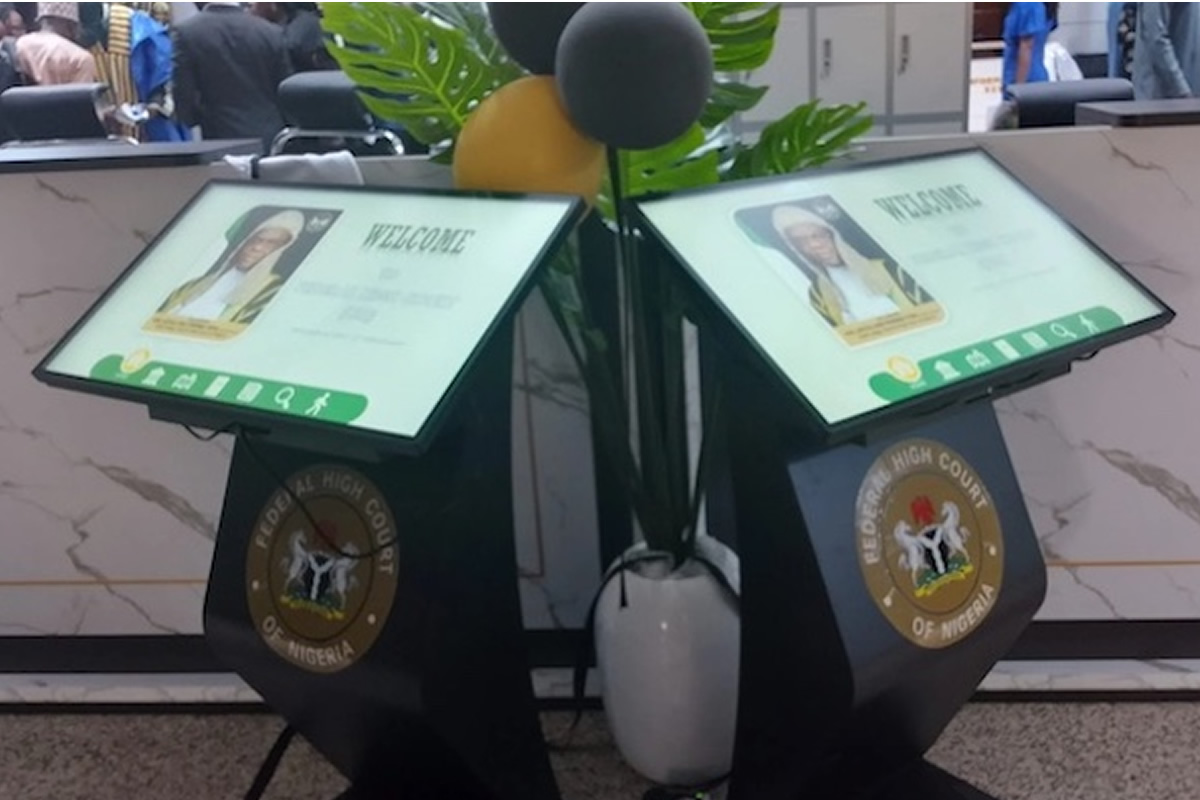
The Federal High Court of Nigeria has formally launched its Electronic Filing (E-Filing) System in the Lagos Division, marking a major shift from manual, paper-based procedures to a digital case management platform designed to improve efficiency, transparency, and accountability in judicial administration. The reform was unveiled on Monday.
At the launch, the Chief Judge of the Federal High Court, John Terhemba Tsoho, declared the judiciary was ending what he described as the “era of paper antiquity.” He said the system had for too long been burdened by excessive paper files and outdated procedures that no longer reflect modern realities.
A key feature of the system is its anti-corruption design. It automatically generates verifiable digital records for every filing, creating an audit trail that eliminates backdating of processes and reduces the influence of unofficial intermediaries in court registries.
The system also integrates electronic payment channels for filing fees, ensuring instant and transparent revenue collection while reducing financial leakages.
Another major reform is the removal of registry working-hour limitations, allowing lawyers and litigants to file processes at any time and from any location with internet access.
This significantly improves access to justice and reduces administrative delays.
The CJ further disclosed that transmission of case files from registries to judges’ chambers has been reduced from days to seconds, a change expected to accelerate case handling and reduce backlog.