



































































The Federal Government has announced a major expansion of nursing education in Nigeria, increasing annual admissions into nursing schools from about *20,000 to 50,000 students* as part of efforts to tackle the country’s severe shortage of healthcare workers.
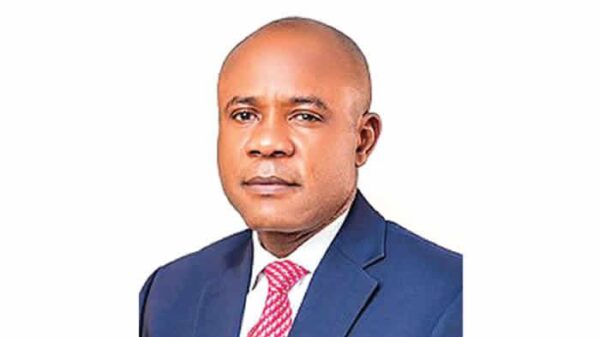
The Minister of Education, *Dr. Tunji Alausa*, disclosed this on Sunday during an interview with journalists in Abuja.
*”We Want To Be The Manpower Supplier Of The World”*
According to Alausa, the move is part of broader education reforms designed to produce the skilled workforce needed to drive President Bola Tinubu’s vision of building a *$1 trillion economy by 2030*.
“We want to be the manpower supplier of the world. We need to produce competent, skilled and educated young Nigerians who will drive our economy, contribute to Africa’s growth and compete successfully across the world,” the minister said.
He explained that the government is deliberately investing in human capital development by expanding access to professional education in critical sectors.
*Health Training Capacity Tripled*
Alausa revealed that before the current administration, nursing schools admitted about 20,000 students annually. That number has now risen to approximately 50,000.
Admissions into medicine, pharmacy and dentistry have also been “significantly increased” to bridge long-standing gaps in the health sector.
The minister expressed confidence that the reforms would substantially reduce Nigeria’s shortage of healthcare professionals within the next few years as thousands of newly trained graduates enter the workforce.
“As the President advances his vision of building a one trillion-dollar economy, education will remain at the centre of that transformation,” he added.
*Sustainability and Industrial Harmony*
Alausa attributed the expansion to President Tinubu’s commitment to education and human capital development, describing education as the foundation for sustainable economic growth.
He also said the *Nigerian Education Loan Fund, NELFUND*, was designed to remain financially sustainable beyond the current administration.
“There is no value in introducing policies that cannot stand the test of time. Sustainability is central to this administration’s philosophy,” he stated.
The minister further noted that the government had restored industrial harmony in tertiary institutions through dialogue with academic and non-academic unions.
*Battling ‘Japa’ and Health Worker Shortage*
Nigeria has struggled for years with a shortage of nurses, doctors and other health professionals, worsened by underinvestment in training and the mass migration of health workers abroad — the “Japa” phenomenon.
The pressure has been felt most at primary and secondary healthcare levels.
To reverse the trend, the FG says it is not only expanding admissions into nursing and other health programmes, but also investing in *Technical and Vocational Education and Training, TVET* and other human capital initiatives.
The goal, according to the government, is to meet local healthcare needs while positioning Nigeria as a global supplier of skilled professionals.