



































































Understanding Childhood Trauma and Its Impact on Your Parenting Style
Hello Great Mothers!

Parenting styles are deeply rooted in our own childhood experiences. The way we were raised—whether nurturing or harsh—shapes how we interact with our children. As discussed in the previous article, generational parenting patterns often repeat unconsciously, passing down both positive values and harmful cycles.
However, understanding our past, especially childhood trauma, is key to breaking negative patterns and fostering healthy relationships with our children.
The Influence of Childhood Trauma on Parenting
If you grew up in a household where emotions were dismissed, discipline was fear-based, or affection was rarely expressed, these experiences may shape how you respond to your children. For example:
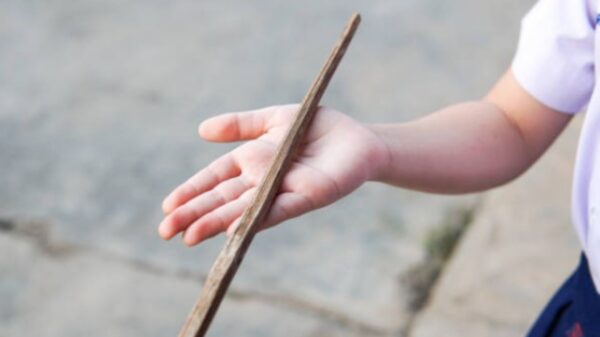
● Fear-Based Discipline: If you were constantly punished rather than guided, you might instinctively use strict, authoritarian methods with your children.
● Emotional Suppression: If you were told to “stop crying” or “toughen up,” you may struggle to validate your child’s emotions, unintentionally teaching them to suppress their feelings.
● Unrealistic Expectations: If you were frequently compared to others, you might unknowingly pressure your child to meet certain standards, affecting their self-worth.
Breaking the Cycle: Healing and Intentional Parenting
The good news is that generational patterns can be changed. Here’s how:
1) Reflect on Your Childhood: Identify what worked and what didn’t. Awareness is the first step toward change.
2) Acknowledge and Heal Trauma: Seeking support—whether through faith, therapy, or self-reflection—can help you overcome past wounds.
3) Parent with Love, Not Fear: Shift from control to connection, prioritizing understanding, communication, and emotional validation.
By choosing self-awareness and healing, we can raise emotionally resilient children who respect us out of love and trust, not fear. Breaking harmful cycles starts with us!
With God and intentional effort, we can raise children who respect us out of love and trust—not fear!
Bye!