

















































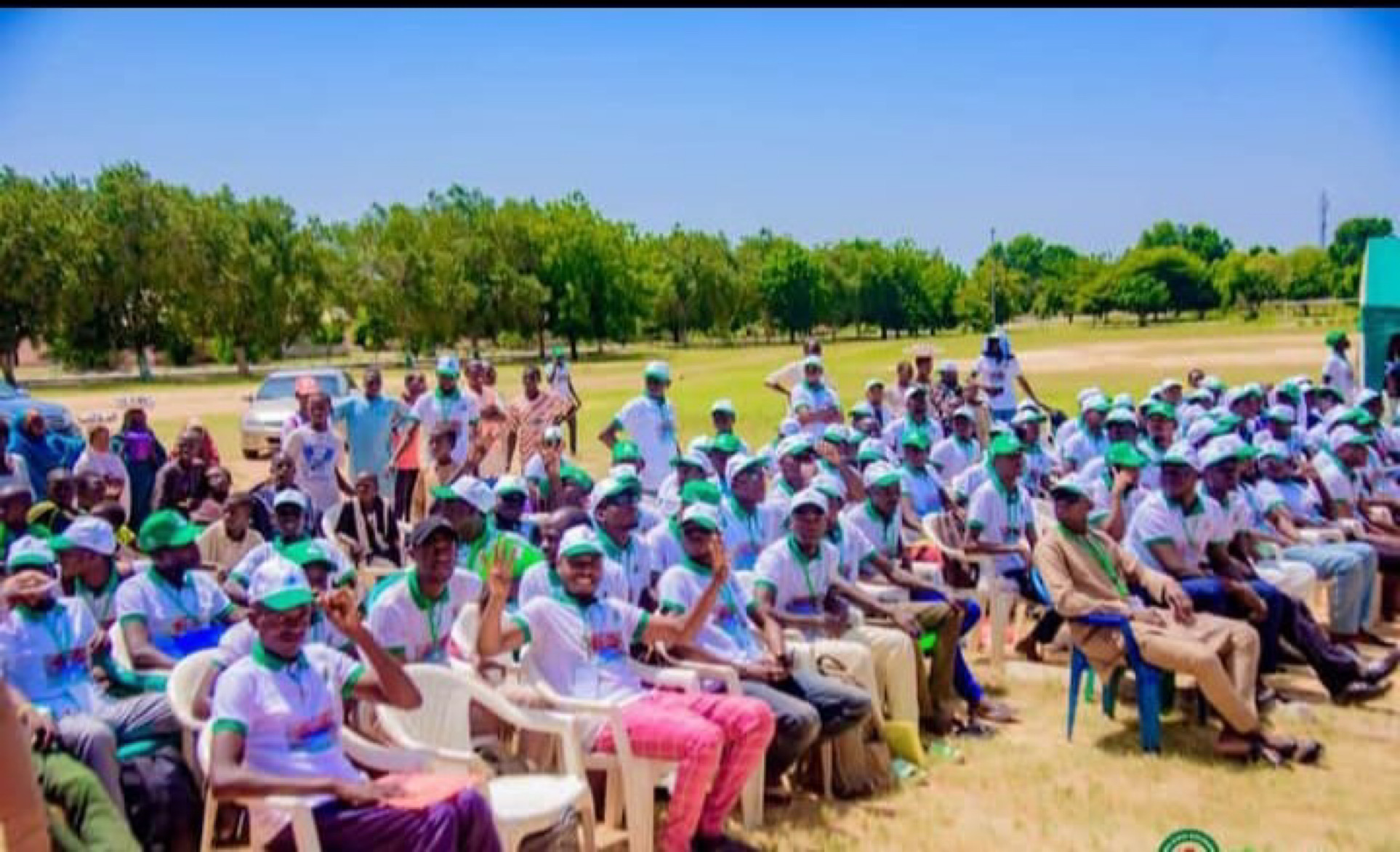








Fishermen and residents of Ogoniland in Rivers State are sounding the alarm over the safety of their seafood, claiming that fish and periwinkles caught in local waters still smell of crude oil despite ongoing remediation efforts by the Hydrocarbon Pollution Remediation Project (HYPREP). The community’s concerns were voiced at a recent multi-stakeholder dialogue, where they lamented the devastating impact of oil spills on their farmlands, vegetation, and water bodies.
According to Anuoluwapo Adelakun, convener of the dialogue and investigative journalist with the Pulitzer Centre for Crisis Reporting, independent research conducted with the University of Port Harcourt revealed alarming levels of heavy metals, including nickel, a known carcinogen, in water sediments and fish like tilapia. “People consuming these fish and periwinkles are at risk of serious illness, especially children,” she warned.
HYPREP’s Technical Assistant, Peter Lenu, acknowledged the challenges, stating that the cleanup process would take 25-30 years, as indicated in a United Nations Environment Programme report. He highlighted significant progress, with 98% cleanup success in some areas, and announced the award of second-phase contracts in five affected communities.
The situation in Ogoniland remains dire, with decades of oil spills leaving a legacy of pollution and health risks. As one resident put it, “Our fish and periwinkles still have the smell of crude oil when we catch and cook them for consumption”.
Fishermen and residents of Ogoniland in Rivers State are sounding the alarm over the safety of their seafood, claiming that fish and periwinkles caught in local waters still smell of crude oil despite ongoing remediation efforts by the Hydrocarbon Pollution Remediation Project (HYPREP). The community’s concerns were voiced at a recent multi-stakeholder dialogue, where they lamented the devastating impact of oil spills on their farmlands, vegetation, and water bodies.
According to Anuoluwapo Adelakun, convener of the dialogue and investigative journalist with the Pulitzer Centre for Crisis Reporting, independent research conducted with the University of Port Harcourt revealed alarming levels of heavy metals, including nickel, a known carcinogen, in water sediments and fish like tilapia. “People consuming these fish and periwinkles are at risk of serious illness, especially children,” she warned.
HYPREP’s Technical Assistant, Peter Lenu, acknowledged the challenges, stating that the cleanup process would take 25-30 years, as indicated in a United Nations Environment Programme report. He highlighted significant progress, with 98% cleanup success in some areas, and announced the award of second-phase contracts in five affected communities.
The situation in Ogoniland remains dire, with decades of oil spills leaving a legacy of pollution and health risks. As one resident put it, “Our fish and periwinkles still have the smell of crude oil when we catch and cook them for consumption”.