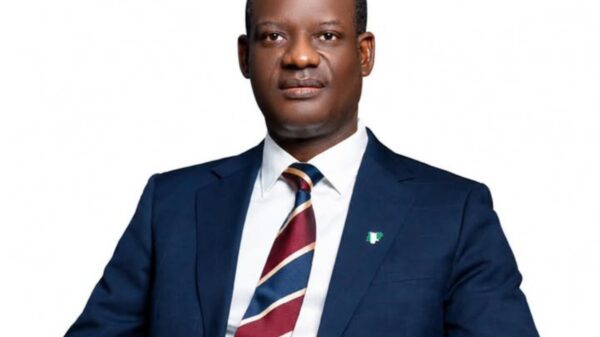







































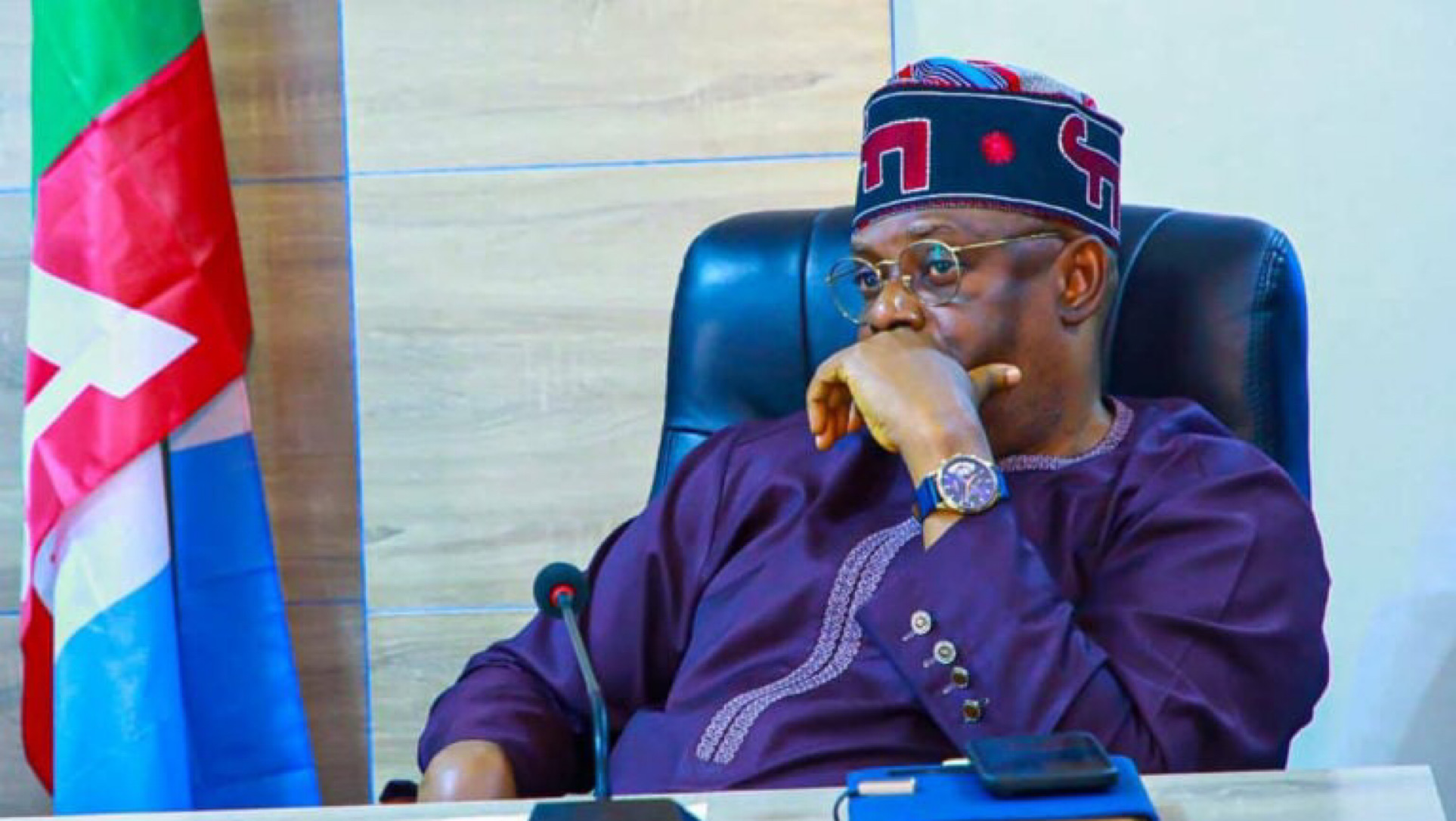






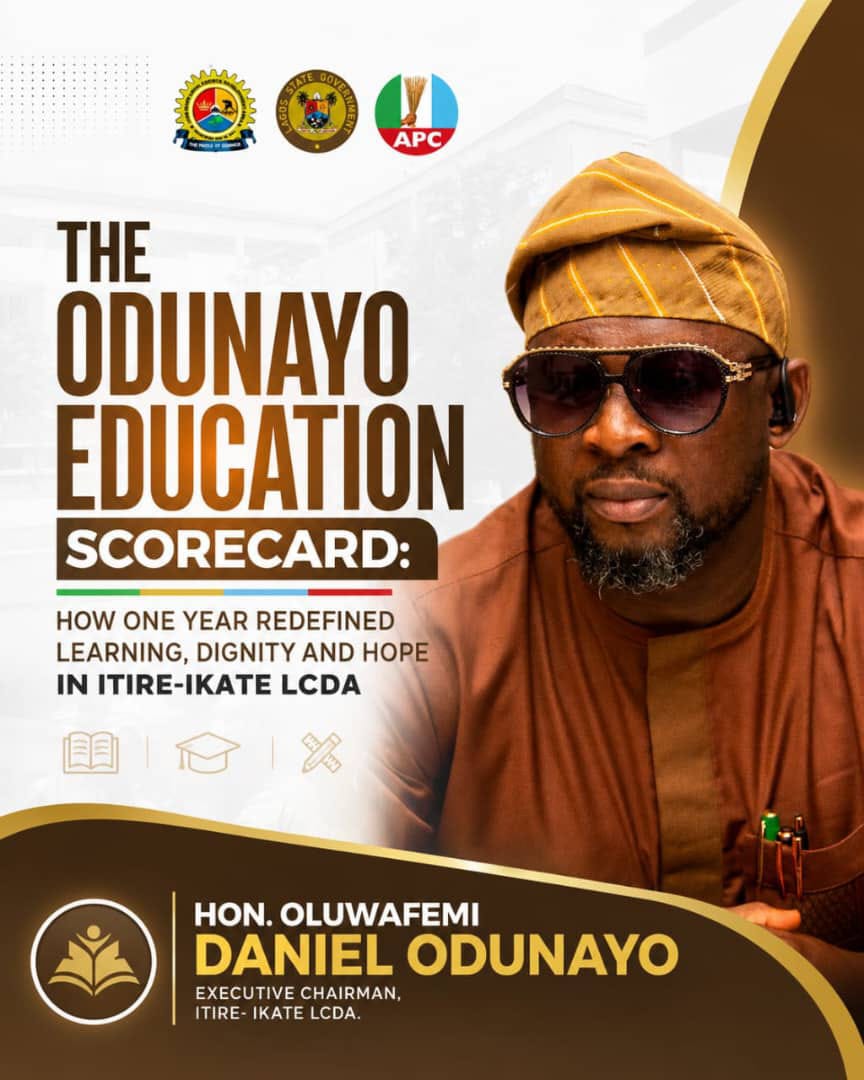
When Hon. Oluwafemi Daniel Odunayo took the oath of office as Executive Chairman of Itire-Ikate LCDA in 2025, he made a quiet but firm promise to mothers at PTA meetings and to headteachers in staff rooms across the council: “No child in Itire-Ikate will be denied the chance to learn because of their background.”
Twelve months later, from July 2025 to July 2026, that promise has turned into classrooms, textbooks, uniforms, drainage, competitions, and celebrations. It has turned into numbers that tell a story, and stories that give meaning to the numbers.
In education, statistics without faces are cold. And faces without data are incomplete. The Odunayo administration has chosen to do both.
Let us start with access. At the beginning of the 2025/2026 academic session, the Education Department conducted a needs assessment across the 14 public primary schools and 3 public secondary schools in Itire-Ikate. The findings were stark. Over 1,200 students in SS2 and SS3 indicated interest in sitting for the General Certificate Examination but cited inability to pay as the major barrier.
In response, the Council procured and distributed free GCE forms to indigent students within Itire-Ikate LCDA. More than 850 students benefited in the first batch alone. For Aisha Bello of Abayomi Secondary School, whose parents are petty traders at Itire Market, it meant she did not have to defer her dream for another year. “I thought I would wait until my brother finishes his own school,” she said after collecting her form. “But Baba Chairman said we should not wait.” That is the human cost of policy, and that is why it matters.
Access is not complete if children do not have the tools to learn. Between September 2025 and May 2026, the Council produced and distributed over 25,000 exercise books to pupils in public primary schools across Itire-Ikate. In the second phase, another 18,000 exercise books and 12,000 school bags were produced and taken to 11 primary schools, reaching an estimated 9,400 pupils.
At St. Agnes Primary School, teachers reported that classroom participation rose by 34% within two terms of the distribution. “Before, many pupils shared one book or wrote on scraps,” said Mrs. Folake Adeoye, the headteacher. “Now every child has something to write with, and something to carry it in.” The Council also produced and distributed complete school uniforms and school bags to all 620 students of Abayomi Secondary School as direct educational assistance. For many families, that single intervention saved an average of ₦18,000 per child in back-to-school expenses.
But bricks and mortar remain the backbone of learning. In January 2026, Hon. Odunayo commissioned newly constructed blocks of classrooms in two of our most populated schools. The new blocks added 18 classrooms, 2 staff rooms, and modern toilet facilities, directly reducing class sizes from an average of 68 pupils per class to 42 pupils per class.
Another major milestone was the commissioning of Gbajabiamila Secondary School on Airways Road. The take-off of the school followed sustained advocacy by the Chairman, who led engagements at Alausa, Ikeja, at the Lagos State Secretariat to secure all necessary approvals. The establishment of the new secondary school, no doubt, helped absorb hundreds of junior secondary graduates within Itire-Ikate and reduced pressure on existing schools, while giving students in the Airways axis a government secondary school within walking distance.
Equally critical was the rescue of Aguntasolo Primary School. For years, the school compound was a case of flooded despair. During every heavy rain, pupils waded through water to get to class, teaching and learning were disrupted, and parents kept children at home out of fear. The situation had persisted for over a decade and had become a major source of concern to the Aguntasolo community.
In February 2026, in line with the Chairman’s commitment to “no child left behind,” the Council embarked on a full-scale intervention at Aguntasolo Primary School. The flooded compound was re-engineered, proper drainage channels were constructed, and the grounds were raised and paved to ensure water no longer sacks the school.
Today, the story has changed from despair to renewed hope. Teaching and learning now continue uninterrupted, even in the rainy season. Parents who had withdrawn their children have started returning them to school, and enrollment is climbing again. As documented in community reports, this intervention has restored dignity to pupils and confidence to teachers and parents. “For the first time in many years, our children can go to school and come back home with dry uniforms,” a parent stated. That is the Odunayo difference – turning a problem that defied solutions for years into a success story in one year.
In education, space is dignity. When a child can sit, see the board, and walk to class without wading through water, learning becomes possible. Contractors, teachers, and community leaders all noted that this was the first major infrastructure intervention in the LCDA’s schools in over 7 years.
The administration refused to limit education to the four walls of a classroom. It understood that excellence must be celebrated and talent must be discovered early. The 2025 Spelling Bee – Local Government Edition drew 240 pupils from across Itire-Ikate. For three weeks, schools held internal contests. On the final day at the Council Secretariat, 32 finalists competed before parents, teachers, and traditional rulers. The winner, 11-year-old Tobiloba Martins of Clegg Primary School, is now representing Lagos West at the state level. Beyond the trophies, the Spelling Bee created a culture. Reading clubs sprang up in 6 schools within 2 months of the competition.
National identity and joy were not forgotten. The Independence Day Celebration for public primary schools brought together over 2,000 pupils in a colourful parade, quiz, and drama competition themed “One Nigeria, One Future.” On Children’s Day, a substantial number of pupils from both primary and secondary schools participated in inter-school debates, cultural displays, and sporting activities at the Itire Town Hall. These are not just events. They are memory-making moments that tell a child: “Your council sees you. Your council is proud of you.”
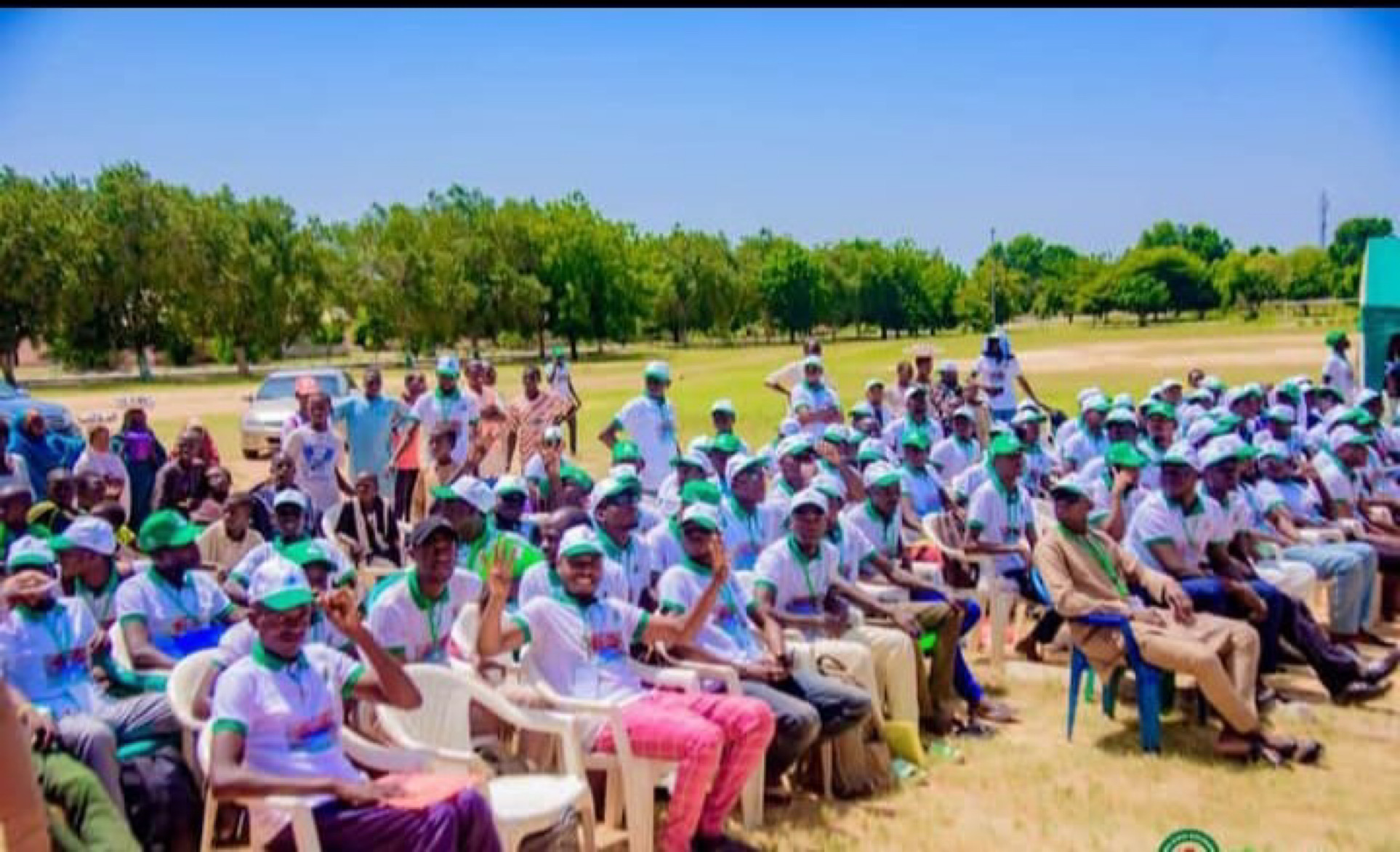
As the year drew to a close, the Council hosted the 2025 End of the Year Get-Together for public primary and secondary schools, and youths within Itire-Ikate LCDA. Over 2,200 students, teachers, and youth leaders attended. It was an evening of awards, mentorship talks, and scholarships for 50 best-performing students across all schools. One of the awardees, Master Yusuf Adeleke, scored 8 As in his mock WAEC. His mother, a widow, wept openly. “I did not think the government remembered us,” she said.
What ties all of this together is a philosophy. The Odunayo education doctrine is simple: remove the barrier, equip the child, build the space, protect the child from avoidable disruptions, celebrate the brain, and honour the teacher. It is not about one programme. It is about a system.
In twelve months, we have moved from intervention to institution-building. We have moved from charity to structure. The free GCE forms addressed an immediate crisis. The books, bags, and uniforms addressed daily dignity. The new classrooms, the Aguntasolo drainage upgrade, and the take-off of Gbajabiamila Secondary School addressed long-term capacity and continuity. The competitions and celebrations addressed motivation and excellence.
Critics may ask for more. And they are right to do so, because education is never finished. But let the record show what has been done. Over 850 students gained access to terminal exams. Over 43,000 learning materials were put into the hands of pupils. Over 620 secondary students received full uniforms. More than 9,000 pupils now learn in less crowded classrooms. Hundreds of pupils at Aguntasolo Primary School no longer lose school days to floods. Thousands of children participated in programmes designed to make them proud of learning and proud of Nigeria.
Hon. Oluwafemi Daniel Odunayo did not come to manage decline. He came to reverse it. In Itire-Ikate today, a child’s zip code no longer determines the quality of their school bag, the size of their classroom, or whether rain will send them home. That is progress you can count, and progress you can feel.
As we enter the second year of this administration, the Education Department is already working on teacher training, digital literacy hubs, and scholarship tracking for beneficiaries of the GCE intervention. The goal remains unchanged: to make Itire-Ikate LCDA the benchmark for grassroots education delivery in Lagos State.
History will judge leaders not by speeches, but by the number of children who get to stay in school, the number of teachers who get to teach with pride, and the number of communities that believe tomorrow can be better than today.
By that standard, the first year of the Odunayo administration in education is not just good. It is a foundation.
*PST LEO OFFOR*
_Chief Press Secretary to the Executive Chairman_
_ITIRE IKATE LCDA LAGOS_