



























































In the realm of public health, disease outbreaks are often conveyed through a series of statistics and logistical considerations. However, for countless individuals, a headline like this represents a lived reality filled with immediate concerns and fears.
This week, the World Health Organization (WHO) labeled the ongoing Ebola outbreak in the Democratic Republic of Congo (DRC) as a Public Health Emergency of International Concern. This designation not only highlights the severity of the situation but also emphasizes the potential implications for global health security.
The current outbreak involves the Bundibugyo strain of the Ebola virus, which is rare compared to the more prevalent Zaire strain. As health systems globally monitor the spread of this virus into major urban centers and across international borders, local populations in the affected regions are experiencing profound disruptions to their everyday lives. The presence of a lethal virus introduces heightened anxiety, particularly in areas such as cross-border trade. Residents must navigate their routines with a profound sense of unease, impacted by the lessons learned from the COVID-19 pandemic, which has fostered increased vigilance in public spaces.
As of now, health officials have reported approximately 246 suspected cases of Ebola, with the tragic toll rising to at least 80 fatalities in Ituri province, a region that is grappling with a dire health crisis. Major cities, including the mining hubs of Mongwalu and Rwampara, the regional capital Bunia, and even the densely populated capital city of Kinshasa, have reported instances of the virus’s spread. This situation is compounded by extensive cross-border commerce with neighboring Uganda, where linked infections have been confirmed, raising alarm about the potential for the outbreak to escalate further.
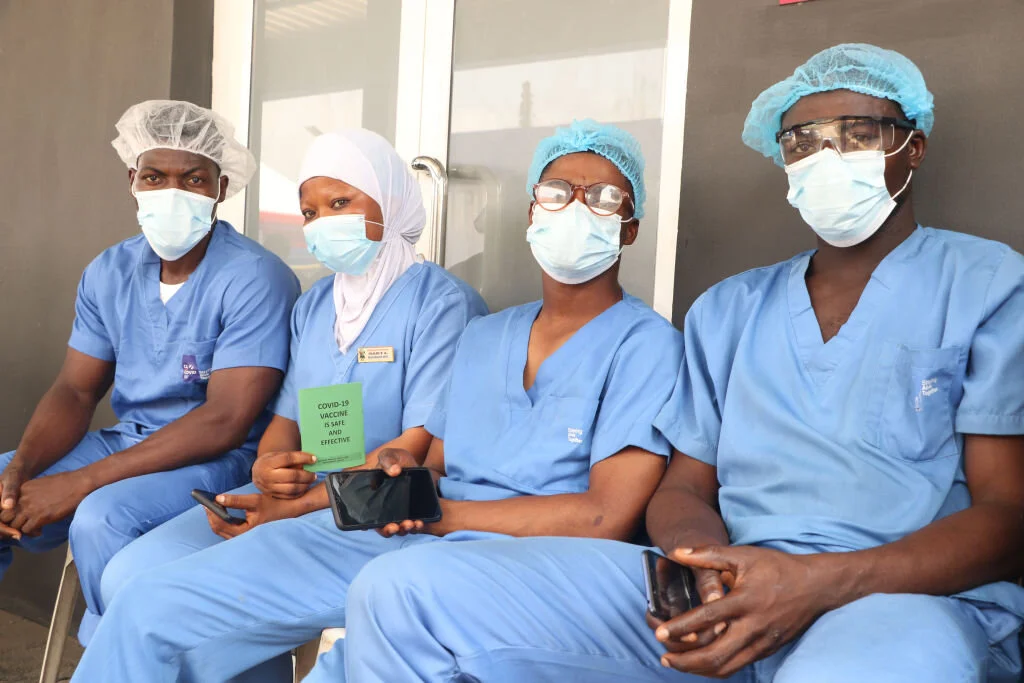
While the WHO has stated that this outbreak does not qualify as a global pandemic emergency, health experts caution that the true scale of the crisis may be far greater than what current surveillance and reporting indicate. The challenges are further aggravated by a critical medical reality: the Bundibugyo strain lacks approved vaccines and specific antiviral treatments that can effectively combat the disease. Health professionals are left with no choice but to focus on supportive care, which typically includes aggressive rehydration techniques and management of symptoms. This situation underscores the urgent need for rapid containment measures to prevent further spread and mitigate the impact of the outbreak.
In summary, the current Ebola outbreak in the DRC represents a significant health challenge, both locally and internationally. The implications extend beyond statistics, affecting the livelihoods, security, and daily lives of millions, as communities struggle to cope with the realities of living in the shadow of a deadly virus.