





































































Nigeria is grappling with a severe hepatitis crisis, resulting in significant economic losses and mortality. According to the Federal Government, the country loses between N13.3 trillion and N17.9 trillion annually due to hepatitis, with 4,252 Nigerians dying each year from the disease.

The Economic and Human Impact
- Annual Economic Loss: N17.9 trillion
- Annual Death Toll: 4,252 Nigerians.
- Prevalence: Over 20 million people infected with hepatitis, with 5 million dying annually from related complications
Global Perspective
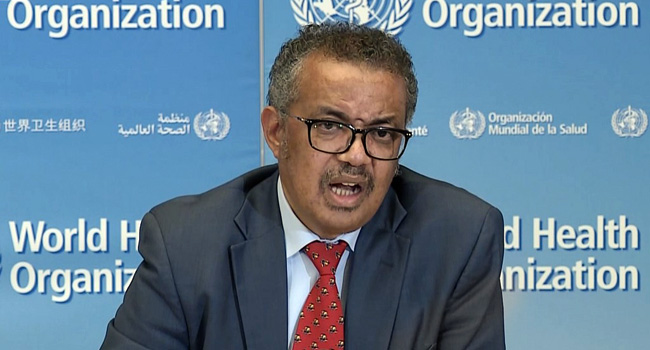
Globally, viral hepatitis claims approximately 1.3 million lives annually, with hepatitis B accounting for 83% of these deaths and hepatitis C for 17%. This translates to around 3,500 deaths daily. The World Health Organization (WHO) has raised concerns about the rising number of hepatitis-related deaths, emphasizing the need for increased awareness, diagnosis, and treatment.
Efforts to Combat Hepatitis
- New Research Programme: A hepatitis C research programme aims to provide new prevention and treatment options for people who inject drugs in Nigeria, targeting 2,800 individuals in Gombe State.
- Public Awareness: The House of Representatives has called for wider public awareness to check the spread of the virus.
- WHO Support: The WHO is committed to supporting countries in using all available tools to save lives and turn the trend around.
Challenges and Recommendations.
- Diagnosis and Treatment: Only 13% of people living with chronic hepatitis B infection have been diagnosed, and approximately 3% have received antiviral therapy.
- Prevention Measures: Immunization, safe injections, and expanded hepatitis C treatment can help reduce incidence.
- WHO Recommendations: Expand access to testing and diagnostics, shift from policies to implementation for equitable treatment, and strengthen primary care prevention efforts.