























































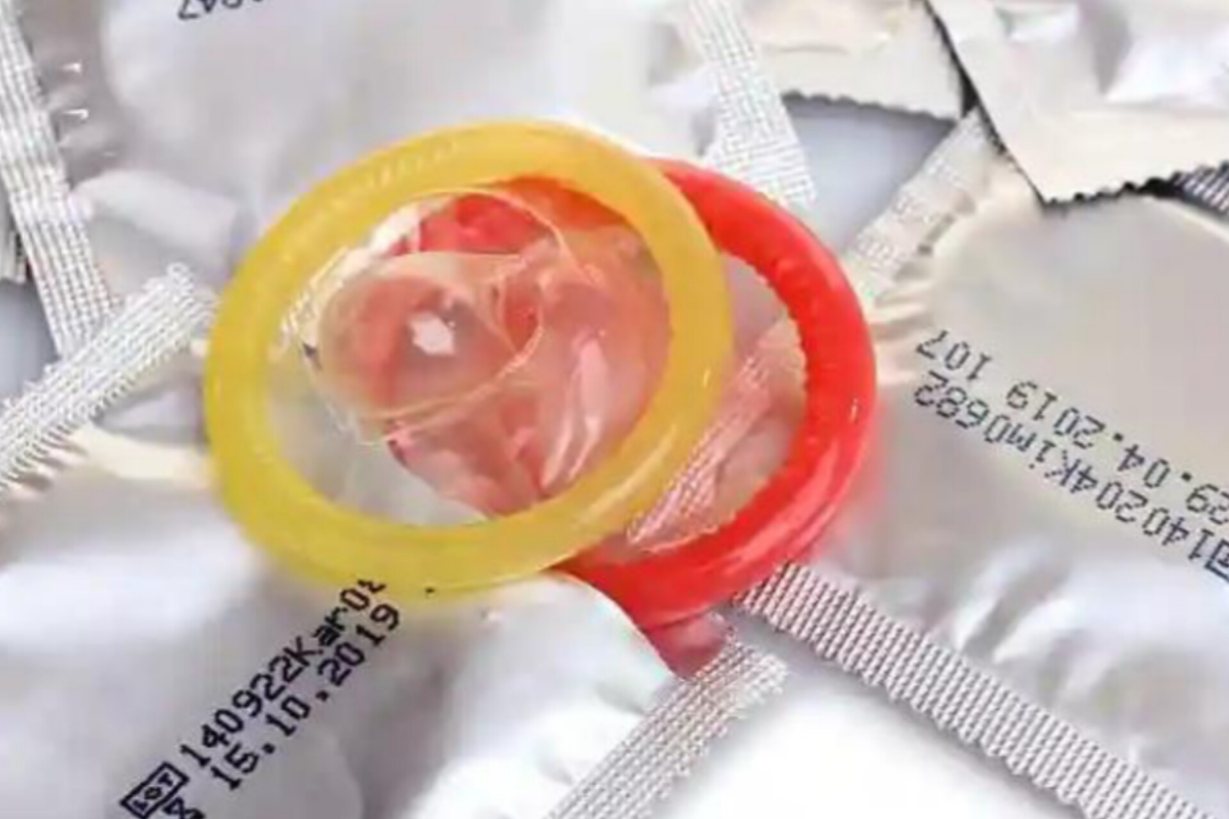

The Joint United Nations Programme on HIV/AIDS (UNAIDS) has disclosed that the distribution of condoms for HIV prevention in Nigeria fell by 55 percent between December of last year and March 2025.
The data, made public on Tuesday, November 26, as part of UNAIDS’ 2025 World AIDS Day report entitled Overcoming Disruption, Transforming the AIDS Response, underscore what the agency characterised as extensive disruptions to prevention, testing, and community-led programmes in numerous countries around the world.
UNAIDS stated that an incalculable number of extra deaths have taken place worldwide and 2.5 million individuals have been deprived of access to HIV-preventive medication because of substantial reductions in global HIV programmes since Donald Trump’s return to the White House. “Persistent funding shortfalls and the perilous risks facing the global HIV response are having profound, lasting effects on the health and well-being of millions of people throughout the world,” the report stated.
In nations such as Nigeria that depend heavily on external donor assistance to maintain prevention and treatment systems, UNAIDS indicated that the consequences have been “immediate and severe”. A number of the organisation’s community partners have reported fatalities among people living with HIV resulting from clinic closures and interrupted treatment services. UNAIDS pointed out that the precise figure for additional deaths is still unknown while data gathering remains ongoing.
The agency explained that the global AIDS response shifted into “crisis mode” earlier this year when the United States, which had formerly supplied 75 percent of international HIV funding, temporarily suspended all HIV-related financing. Other donor nations likewise drastically cut foreign aid following pressure from Trump to focus on defence expenditure. Even though certain programmes have restarted through the U.S. PEPFAR initiative, UNAIDS cautioned that total global funding keeps declining, putting at risk the objective of ending AIDS as a public health threat by 2030.
UNAIDS Executive Director Winnie Byanyima informed journalists in Geneva that the organisation is collaborating with at least 30 countries to enhance national HIV financing. She emphasised that this cannot bridge the funding shortfall right away and that significant obstacles remain. UNAIDS reported that 40.8 million people are currently living with HIV globally, with 1.3 million new infections documented in 2024.
The agency calculated that, as of October 2025, 2.5 million people had been cut off from PrEP, the preventive HIV medication, owing to reductions by donors. Byanyima further noted that distribution of preventive HIV medicines had decreased by 31 percent in Uganda, 21 percent in Vietnam, and 64 percent in Burundi.
A survey carried out this year by UNAIDS and the ATHENA Network revealed that nearly half of women and adolescent girls had faced interruptions to HIV prevention or treatment services within their communities. Although global HIV infections declined by 39 percent in 2023 compared with 2010, with sub-Saharan Africa recording a 56 percent drop, UNAIDS observed that 1.3 million people still contracted HIV in 2023, considerably exceeding the 2025 target of under 370,000.
The report voiced alarm about falling condom usage even though condoms continue to be “the most effective low-cost HIV prevention method”. UNAIDS stated that condom programmes and social-marketing efforts have lost funding in many countries. It referenced survey findings showing reduced condom use, particularly among youth aged 15 to 24, and declared that condom use during sex with non-regular partners is now “highly infrequent”. It noted: “About 36% of adults in eastern and southern Africa and 25% in western and central Africa used a condom at last sex.”
UNAIDS warned that inadequate funding is still impeding worldwide advances against HIV. In 2023, just US$19.8 billion was available for HIV programmes in low- and middle-income countries, falling almost US$9.5 billion short of the amount required in 2025. When adjusted for inflation, HIV funding has reached its lowest level in more than ten years, with domestic contributions dropping for the fourth year in a row and international contributions nearly 20 percent below the 2013 high point. UNAIDS remarked that the cuts would have been far more severe without the Global Fund and ongoing U.S. government backing.
The agency continued: “Development assistance for HIV will continue to be crucial. The continued underfunding of HIV prevention, societal enabler programmes, and community-led activities does not bode well for the HIV response. Interventions for people from key populations are especially neglected, even in regions where the vast majority of new HIV infections occur in people from these populations.” It pointed out that only US$1.8 to 2.4 billion was available worldwide for primary prevention programmes in 2023, compared with the US$9.5 billion needed in 2025.
UNAIDS called on world leaders to renew their political and financial commitment to ending AIDS, citing pledges made at the recent G20 summit in South Africa. The agency additionally advocated greater investment in innovations, including affordable long-acting prevention medicines, and stressed the necessity of bolstering human rights protections and community-led strategies as vital elements of a successful global HIV response.
A Gentle Reminder: Every obstacle is a stepping stone, every morning; a chance to go again, and those little steps take you closer to your dream.
Nnamdi Okoli