

































































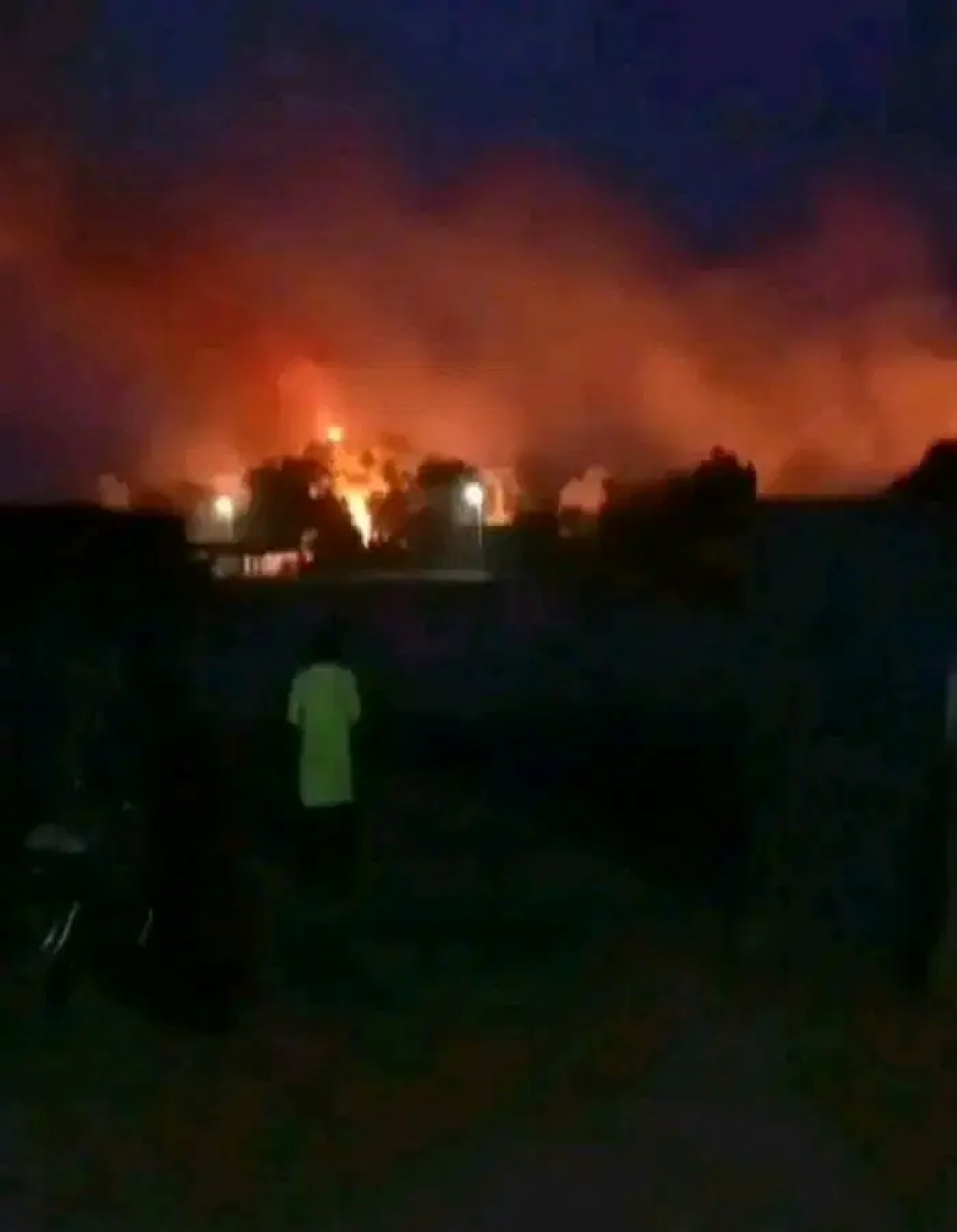
Kautikari village in Chibok Local Government Area of Borno State was attacked by Boko Haram/ISWAP terrorists who set fire to the local primary school and day secondary school. The invasion destroyed classrooms, books, desks, and learning materials, cutting off education for hundreds of children in a community already marked by a decade of insurgency.
Residents say the attackers stormed the village and targeted the school buildings before withdrawing. No students were in class at the time, according to local sources, but the destruction leaves pupils without safe learning spaces as the new term approaches. Teachers and parents now face the challenge of finding alternatives for education amid insecurity.
Chibok remains symbolic in Nigeria’s fight against Boko Haram since the 2014 abduction of over 270 schoolgirls. The latest attack on schools fits a pattern where insurgents deliberately burn educational facilities to spread fear and disrupt schooling. Humanitarian groups warn that each school destroyed pushes more children into idleness and vulnerability to recruitment.
Security forces responded after the incident and deployed to the area to restore order and prevent further attacks. The Borno State Government condemned the destruction and promised to support reconstruction efforts. Officials also called for better protection of rural schools, which often lack fencing, guards, or rapid-response access for troops.
Education advocates say attacks on schools are attacks on the future. With classrooms turned to rubble, families in Kautikari must now weigh the risk of sending children long distances to other towns for lessons. Aid agencies working in Borno stress that rebuilding infrastructure must go hand-in-hand with psychosocial support for traumatized pupils and teachers.
For a community that became known worldwide for the fight to “Bring Back Our Girls,” the burning of Kautikari’s schools is another painful chapter. Recovery will depend on security, funding, and community resilience. As rubble is cleared, the hope is that learning will rise again — because classrooms can be rebuilt, but lost years of education are harder to replace.