
























































The recently brokered interim agreement between the United States and Iran marks a significant step toward resolution, setting the stage to reopen the crucial Strait of Hormuz and recommence serious discussions about Tehran’s nuclear ambitions. This deal isn’t just about diplomacy; it also has immediate perks for Iran, as it paves the way for the country to sell its oil on the global market once again, according to U.S. officials who revealed the accord’s details.
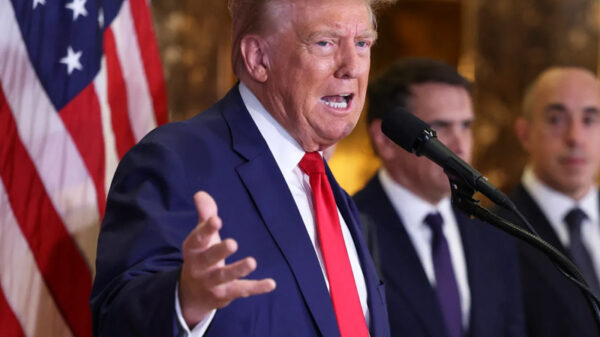
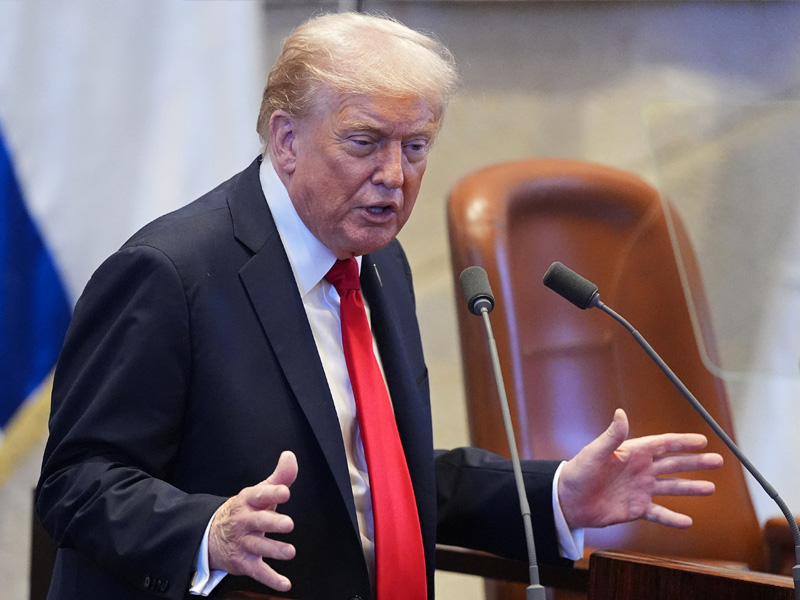
After months of escalating conflict—initiated by the U.S. and Israel with a military campaign that has resulted in countless casualties and disrupted global energy supplies—the two nations are essentially returning to the negotiating table as if it were just 3½ months ago. The outcome of these negotiations could be influenced by whether U.S. President Donald Trump can secure a more favorable deal than the one he abandoned in 2015.
Here are a few key points to understand about this interim deal that has yet to be confirmed by Iran:
**Oil Supply Gets a Boost**
With the anticipated signing of the deal, expected on Friday, the Strait of Hormuz will once again be open for business, allowing oil to flow freely and lifting the U.S. blockade on Iranian ports. This move likely means relief at the gas pumps, as the deal will temporarily allow toll-free passage through this vital waterway for 60 days, though future fees are not entirely off the table.
Iran wielded its control over the Strait, a passage for about 20% of the world’s oil supply, as a significant bargaining chip. Its closure led to soaring global fuel prices, making essentials like food and fertilizer more costly and contributing to rising U.S. inflation, which hit 4% right before this fall’s midterm elections.
**Iran’s Oil Market Comeback**
Iran will once again be able to freely market its oil, a crucial move that lifts the sanctions imposed by Trump on its oil exports. This restoration means billions in potential revenue, as Iran previously earned an estimated $45 billion from oil sales last year. Previously dependent heavily on China and forced to maneuver through a clandestine fleet to bypass sanctions, Iran’s oil exports have virtually halted under the blockade since April. Now, with the sanctions waived, it can pursue new customers and sell at more competitive market rates.
While this deal offers Iran a new economic lifeline, it also represents a cautious step back into the turbulent waters where the two nations last found themselves just over three months ago, before the outbreak of conflict that has disrupted lives and economies across the globe.