



































































Mic 5.1-4;
Ps 79;
Heb 10.5-10;
Lk 1.39-44
YOUR LIFE HAS SIGNIFICANCE WITHIN GOD’S PURPOSES
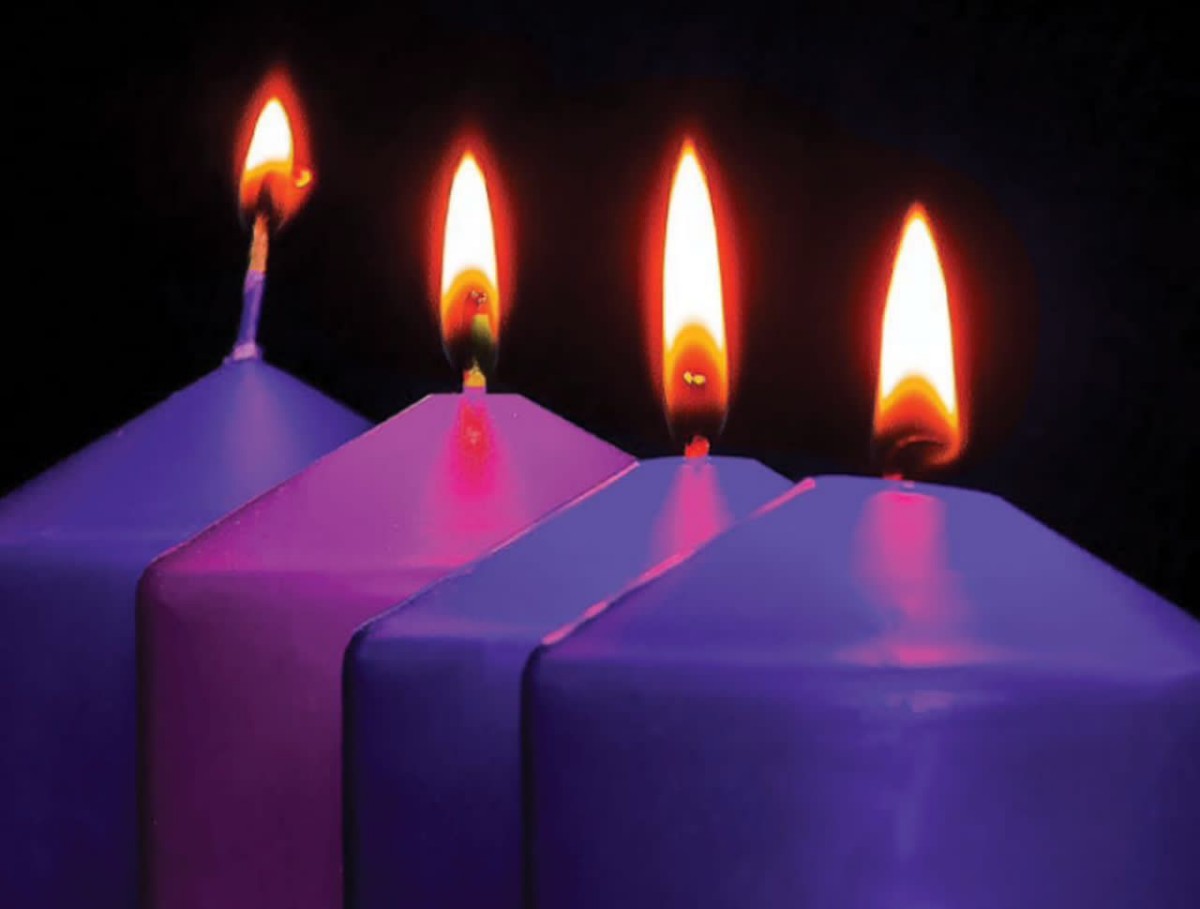
- As December advances, the anticipation of Christmas becomes increasingly palpable. The festive season is inescapable, evident in the retail environments with their elaborate displays, the streets adorned with decorations, and the ubiquitous early renditions of carols. While the liturgical season of Advent seeks to counteract this rush for three weeks, even ecclesiastical observances now permit a focus on the significance of Bethlehem.
- The prophet Micah designates Bethlehem as the birthplace of the Messiah, thus affirming His Davidic lineage. The concept of the Messiah has evolved throughout Israel’s history. In the prophetic period, there existed a confluence of spiritual and temporal authority. However, by the era of Christ’s nativity, with Jewish territories under Roman occupation, the socio-political dimension of the Messiah gained prominence. Various modern Jewish sects articulate divergent expectations regarding the Messiah, whom they contend has yet to arrive, though the requirement of Davidic descent remains a foundational characteristic.
- Micah’s testimony underscores the centrality of a singular figure in the collective expectations of Israel. The Messiah is anticipated to emerge from a specific familial lineage within a defined geographical location, encapsulating the divine vocation assigned to the entirety of the nation.
- For Christians, Jesus Christ represents the awaited Messiah, embodying the apex of Israel’s expectations. In the Gospel according to St. Luke, the narrative of the Visitation enhances our understanding of the unique nature of His conception and birth. During this encounter, Mary visits her cousin Elizabeth, who recognizes and affirms Mary’s unparalleled position as the mother of the Messiah: “Blessed art thou among women, and blessed is the fruit of thy womb.” Notably, even the unborn John the Baptist experiences a visceral reaction, leaping in utero at the presence of the anticipated Messiah. This familial interaction, rich with intimacy and significance, underscores the unfolding of a profound theological mystery central to the faith of Israel: the incarnation of the Messiah in the womb of the Virgin Mary.
- It is compelling to acknowledge the tangible connections to historical figures who were instrumental in significant historical events. Many individuals are drawn to visit sites of historical importance where notable figures lived; for instance, encountering personal artifacts such as Mary Stuart’s breviary, a diary belonging to a soldier from the 1917 front lines, or a dress worn by Princess Diana evokes a profound sense of contemplative reflection. The immediacy of wars, conflicts, and tragedies becomes palpable when one engages with artifacts—however mundane—that establish a connection to these historical personas. For Catholics, sites and objects linked to the saints carry profound emotional and spiritual resonance—such as the excavated areas beneath St. Peter’s Basilica in Rome that reveal the tomb of the Apostle Peter, the priest’s hiding places used by some of the Forty Martyrs of England before their martyrdom, the Cachot in Lourdes where St. Bernadette resided, and the death bunker of St. Maximilian Kolbe at Auschwitz. These sites serve as poignant reminders of faith and sacrifice interwoven within the fabric of history.
- The synoptic evangelists—Matthew, Mark, and Luke—composed their gospels post-ecclesial formation, aiming to articulate the profound spiritual and theological implications of the Messiah’s advent in conjunction with the oral histories rooted in the testimonies of figures such as the Virgin Mary, the shepherds, and other key witnesses to these transformative events. While the original participants may have sensed divine action in real-time, the comprehensive significance of those events became more apparent in the generations that followed. For instance, Saint Elizabeth’s experience of John the Baptist’s leap within her womb was part of God’s salvific design, yet she lacked the capacity to fully articulate its momentous implications. This parallels the experiences of saints, who were often in states of vulnerability, captivity, or youth at the time of their pivotal contributions.
- This may elucidate why the liturgy on the final Sunday of Advent deliberately underscores the specific, localized, and individualistic manifestations of divine salvation history through chosen places, people, and epochs. Over the preceding weeks of Advent, the liturgical context has highlighted the eschatological reality in which humanity exists, underscoring that Christ’s Second Coming will unfold with power and grandeur. The events of Christmas constitute not a conclusion but a segment within the broader narrative of salvation history. God incarnated in the singular person of Jesus Christ, at a specific historical moment within a particular geographic locale, yet this act serves to universalize the salvific plan for all of humanity. Christ’s crucifixion on Good Friday was intended for the redemption of all, while His Resurrection conferred universal significance upon His sacrificial death. The author of the Letter to the Hebrews delves into these themes, particularly examining how Christ supersedes the Old Covenant’s priesthood and sacrificial system associated with the Temple.
- The synoptic evangelists—Matthew, Mark, and Luke—composed their gospels post-ecclesial formation, aiming to articulate the profound spiritual and theological implications of the Messiah’s advent in conjunction with the oral histories rooted in the testimonies of figures such as the Virgin Mary, the shepherds, and other key witnesses to these transformative events. While the original participants may have sensed divine action in real-time, the comprehensive significance of those events became more apparent in the generations that followed. For instance, Saint Elizabeth’s experience of John the Baptist’s leap within her womb was part of God’s salvific design, yet she lacked the capacity to fully articulate its momentous implications. This parallels the experiences of saints, who were often in states of vulnerability, captivity, or youth at the time of their pivotal contributions.
- This may elucidate why the liturgy on the final Sunday of Advent deliberately underscores the specific, localized, and individualistic manifestations of divine salvation history through chosen places, people, and epochs. Over the preceding weeks of Advent, the liturgical context has highlighted the eschatological reality in which humanity exists, underscoring that Christ’s Second Coming will unfold with power and grandeur. The events of Christmas constitute not a conclusion but a segment within the broader narrative of salvation history. God incarnated in the singular person of Jesus Christ, at a specific historical moment within a particular geographic locale, yet this act serves to universalize the salvific plan for all of humanity. Christ’s crucifixion on Good Friday was intended for the redemption of all, while His Resurrection conferred universal significance upon His sacrificial death. The author of the Letter to the Hebrews delves into these themes, particularly examining how Christ supersedes the Old Covenant’s priesthood and sacrificial system associated with the Temple.
- So, as we await the coming of Christ in glory and the fulfillment of human history, it is impossible to know what part we play in the story, but we can be completely sure that, in God’s plan, we do have a part to play. The life of the Catholic Church since our Lord founded her has been one of individual endeavor, success, and sometimes failure with a wider significance:
- Saint Peter’s ignominious denial and his subsequent ministry as Bishop of Rome, culminating in a martyr’s death but resulting in universal primacy.
The vision of three children in an obscure village in Portugal leads to the emergence of devotion to Our Lady of Fatima and to the Holy Father’s profound faith in her intervention to save his life from the assassin’s bullet.
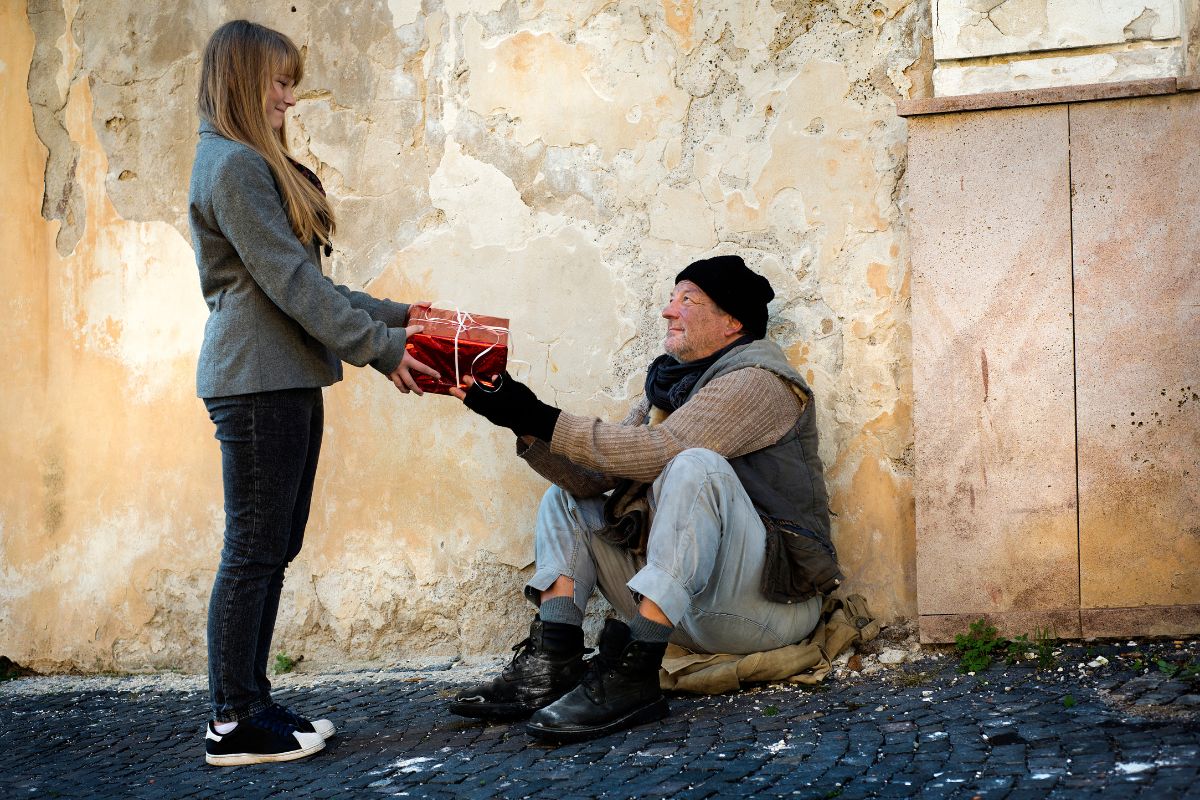
- As Christmas approaches, and we participate once again in the celebrations of God’s coming among us in Christ, and as we hear all the details of the events of our salvation, we can reflect on how the particular, intimate, and perhaps seemingly minor details of our own life all fit into God’s saving plan. We may never know why these individual events happen, or whom they influence or affect, but we can be sure that each of us matters to God as a person, and that every single human life has significance within God’s purposes.
- So, as we await our salvation, and reflect on the influences on our spiritual pilgrimage, we can remember that in some way we may be part of the journey towards God of someone else, whether knowingly or not.
Fr Joseph Osho