




























































Hello Great Mothers!
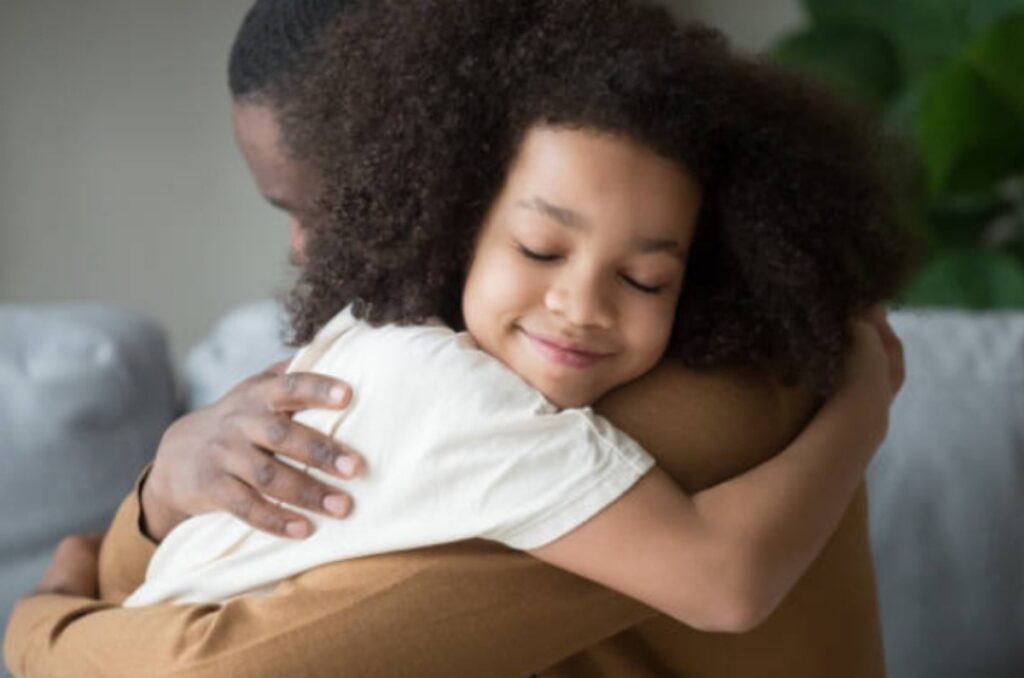
One of the most difficult aspects of motherhood is teaching gratitude to children. Little ones are naturally somewhat self-centered, so teaching them this important virtue early in life is very crucial. This is one of the most important lessons you can give your children because it prepares them to be less demanding and entitled in general and more sensitive to the suffering of others.
We may be reluctant to teach our children this important virtue so early in life but it is necessary, as it is a virtue they must learn how to practice constantly so that it becomes part of them. Also, because of its great benefits to their mental health.
Babies as early as 18 months old can start to comprehend that they are cared for by others and that people do things to make them happy—a core idea for lead gratitude. By the age of 2, children can begin to express their gratitude for things like their parents, favorite toys, and pets. At the age of four, young minds can begin to comprehend that thankfulness might include not only things and people but also deeds of kindness and love.
In my earlier articles, I talked about this topic in great detail. But it is important to emphasize that our children should cultivate a grateful attitude from an early age. Consequently, it is our duty as their mothers to educate them.
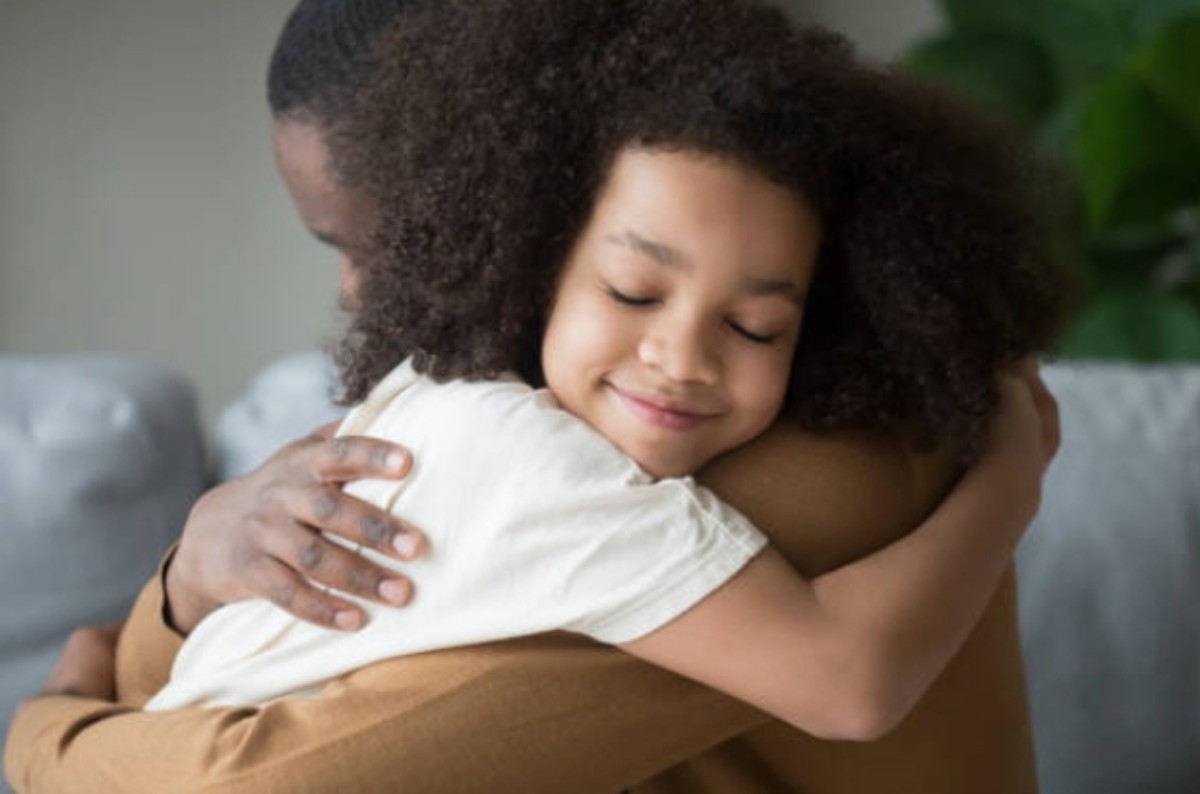
The best way to begin this is by expressing appreciation to our kids when they have done well. And must be some with sincerity and excitement. Some parents believe that children should not be appreciated simply because they are children. This is due to the widespread belief among parents that kids should blindly follow their lead. However, requiring unwavering submission is not how you raise a grateful child; rather, it is how you raise a child who will submit to anyone they believe to be in a position of authority.
The importance of thanking a child cannot be overstated. For starters, if it’s done with enthusiasm and sincerity, a child will realize they’ve done something well, which will motivate them. A “thanks” teaches children to appreciate others’ thankfulness, which aids in the development of empathy. Saying ‘thank you’ to children suggests that they had an option, and children love choice. Lastly, it teaches them to believe in, and love themselves. And also be grateful for who they are and what they have.
kindly drop your comment below
Bye!