





































































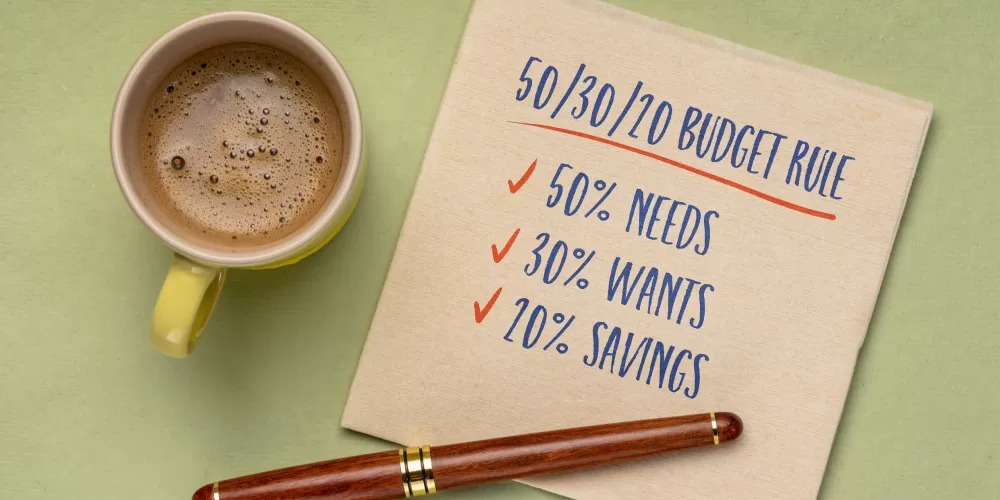
The 50/30/20 budget rule is one of the simplest and most popular budgeting methods for managing personal finances. The 50/30/20 budget rule helps individuals divide their income into three categories, making it easier to control spending, save consistently, and plan for the future. Whether you are earning your first salary or looking for a better way to manage your money, the 50/30/20 budget rule offers a practical framework that anyone can follow. But does it really work for everyone? The answer depends on your financial goals, income, and lifestyle. Understanding how this budgeting method works can help you decide if it is the right approach for your financial journey.
What Is the 50/30/20 Budget Rule?
The 50/30/20 budget rule divides your after-tax income into three main categories:
- 50% for Needs
This covers essential expenses that you cannot avoid, such as:
- Rent or mortgage
- Food and groceries
- Transportation
- Utility bills
- Insurance
- Healthcare
- 30% for Wants
These are non-essential expenses that improve your lifestyle, including:
- Dining out
- Entertainment
- Shopping
- Vacations
- Streaming subscriptions
- Hobbies
- 20% for Savings and Debt Repayment
This portion should go toward:
- Emergency savings
- Retirement investments
- Paying off loans
- Investing in assets
- Building long-term wealth
Benefits of the 50/30/20 Budget Rule
This budgeting method is popular because it is easy to understand and follow.
Some of its key benefits include:
- It provides a clear spending structure.
- It encourages consistent saving.
- It helps reduce unnecessary spending.
- It promotes better financial discipline.
- It supports long-term financial goals.
Because the categories are simple, many people find it easier to stick to this budget than more complicated financial plans.
Does the 50/30/20 Budget Rule Work for Everyone?
Although the 50/30/20 budget rule is effective, it may not fit every situation.
For example:
- Someone living in a city with high housing costs may spend more than 50% on essential needs.
- A person paying off significant debt may choose to save more than 20%.
- Freelancers and business owners with irregular income may need a more flexible budgeting approach.
The important thing is not to follow the percentages perfectly but to use them as a guide.
How to Make the Budget Rule Work for You
If the standard percentages do not match your financial situation, adjust them while maintaining a healthy balance.
Here are a few tips:
- Track your monthly income and expenses.
- Identify unnecessary spending and reduce it.
- Increase your savings whenever your income grows.
- Review your budget every month.
- Make changes as your financial goals evolve.
Budgeting should support your lifestyle, not create unnecessary stress.
Common Budgeting Mistakes to Avoid
Many people give up on budgeting because they make avoidable mistakes.
Some common mistakes include:
- Forgetting to track small daily expenses.
- Setting unrealistic spending limits.
- Ignoring emergency savings.
- Failing to review the budget regularly.
- Spending savings on non-essential purchases.
Avoiding these mistakes makes it easier to stay financially organized.
While it may not be perfect for every income level or lifestyle, it provides an excellent starting point for developing healthy money habits. By balancing your needs, wants, and savings, you can make smarter financial decisions, reduce financial stress, and work toward long-term financial security. The most effective budget is the one you can consistently follow, and the 50/30/20 budget rule remains one of the easiest methods to help you achieve that goal.